Visiting Surly in Minneapolis!? (Part 1)
Hi again, Kasper here!
Before I get into the Minneapolis story, a quick heads-up.
From September 19th–23rd, Blue Lug will be holding A SURLY HOLIDAY — five days dedicated to all things Surly!
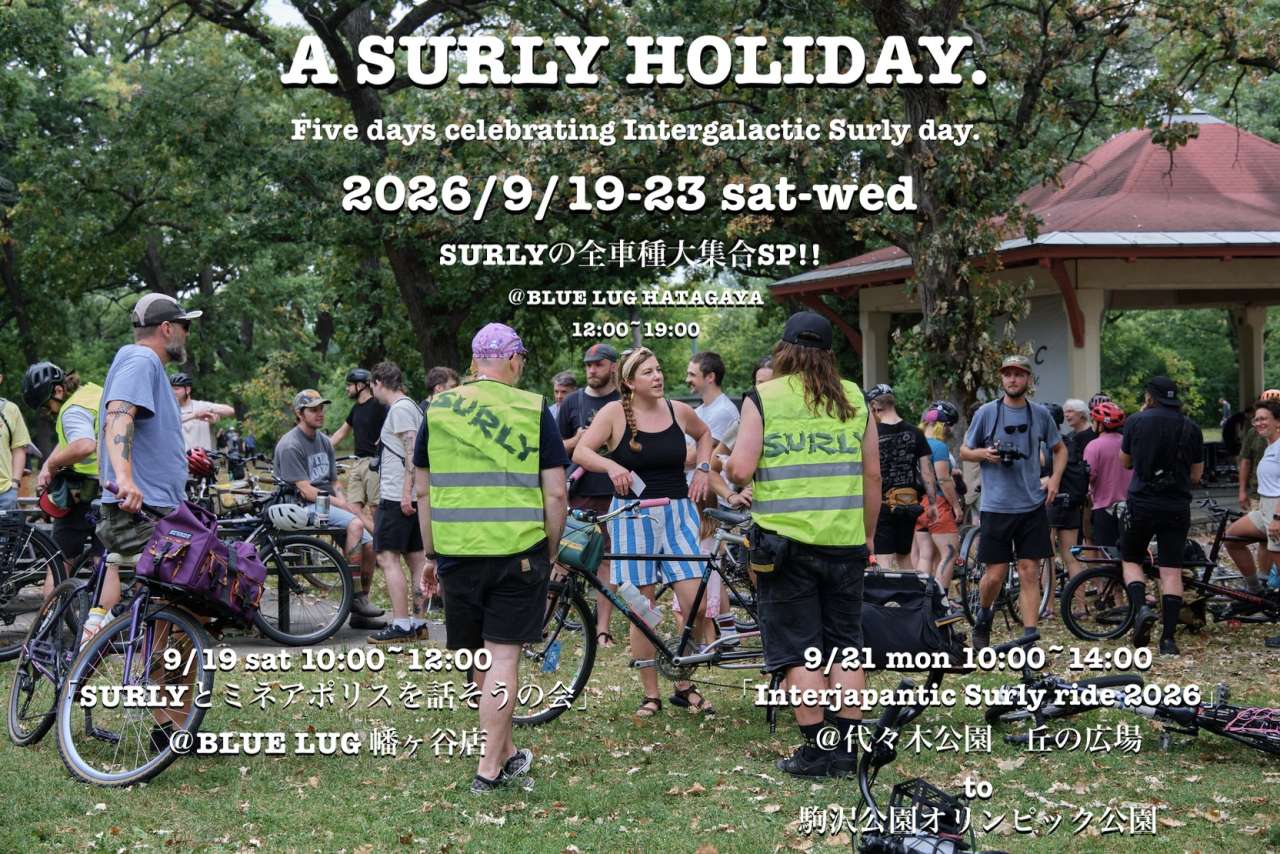
On September 19 from 10:00–12:00 at Blue Lug Hatagaya, we’ll be having a casual talk about the Minneapolis trip and everything we experienced with the Surly crew.
Then on September 22 (sorry we had to change the date from the flyer due to the weather), we’ll be hosting the Intergalactic Surly Ride 2026 in Tokyo.
We’ll start from Yoyogi Park and ride toward Komazawa Park, with the idea of bringing together Surly riders, Blue Lug staff, and anyone else who simply wants to ride together.
And yes, you definitely do not need to be riding a Surly to join.
Throughout the five-day event, we’re also planning to gather the full Surly lineup at Hatagaya, so it’ll be a good chance to actually see, touch, and ride the different models in person!
A big reason we wanted to do this event came directly from our time in Minneapolis!
So, back to the beginning.
In my first blog, I wrote a little about how bikes slowly became a bigger part of my life, how riding from Tokyo to Miyazaki made me curious about bike culture, and how that eventually led me to Blue Lug.
Not long after joining, I somehow found myself on a plane to Minneapolis with Kaneko-san, Sub-san, and Santa to visit the Surly team.
Pretty wild way to start.
We went to Minnesota for a few reasons, but for me personally, there was one thing I really wanted to experience: I wanted to ride the trails that the Surly crew actually rides.
Not just look at the bikes or visit the office. I wanted to see how the people making these bikes actually use them.
So before the trip, we asked if there was any chance we could ride some local trails together on Surly bikes.
They made it happen, and honestly, that ride changed the way I looked at the brand.
The first thing that surprised me was how good everyone was at riding.
Really good.
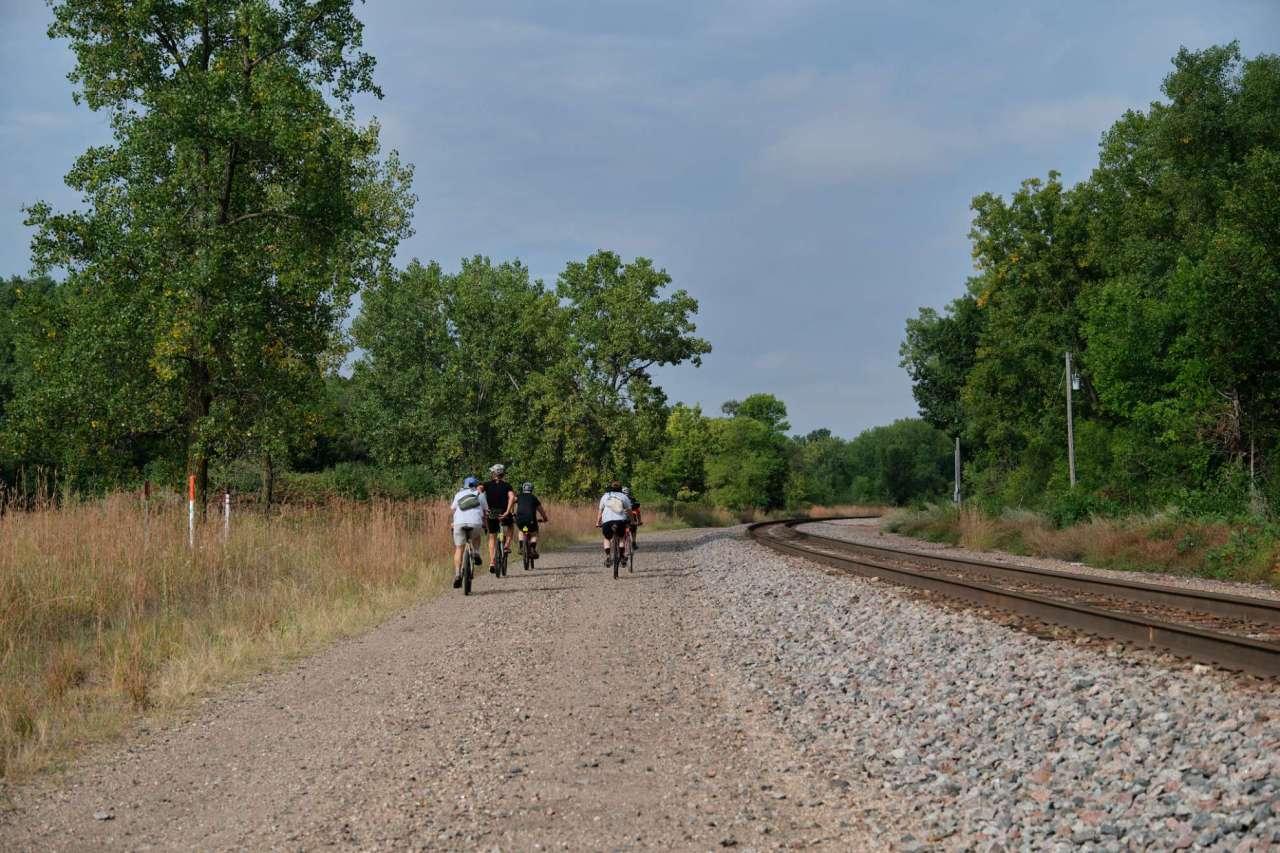
The Surly crew wasn’t just talking about mountain bikes, designing bikes, or selling them.
They were riding them fast, confidently, and playfully.
Watching everyone move through the trail so naturally made something click for me.
These bikes come from people who actually use them.
People who ride after work, people who know what it feels like when a bike works on a trail and when it doesn’t, and people who are constantly playing around with bikes because that’s genuinely what they enjoy doing.
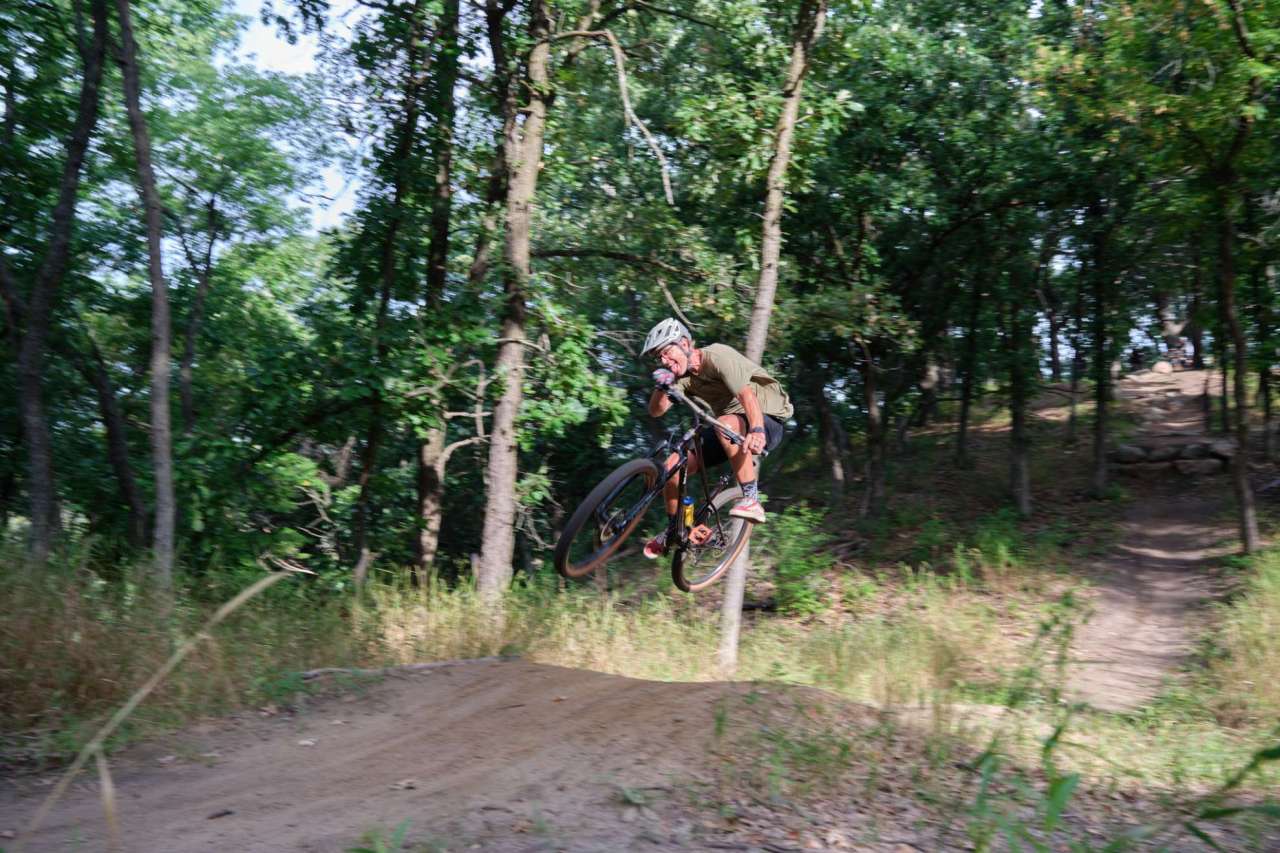
At one point I remember thinking,
“I want to get better. I want to be able to ride like this. I want to keep doing this when I get back to Tokyo.”
And then, not long after that thought, I made a mistake. My foot slipped off the pedal, I lost control, and went down.
I ended up needing to get some treatment.
I’ll spare you the details because that isn’t really the point of this story.
The part I want to write about is what happened after.
—–

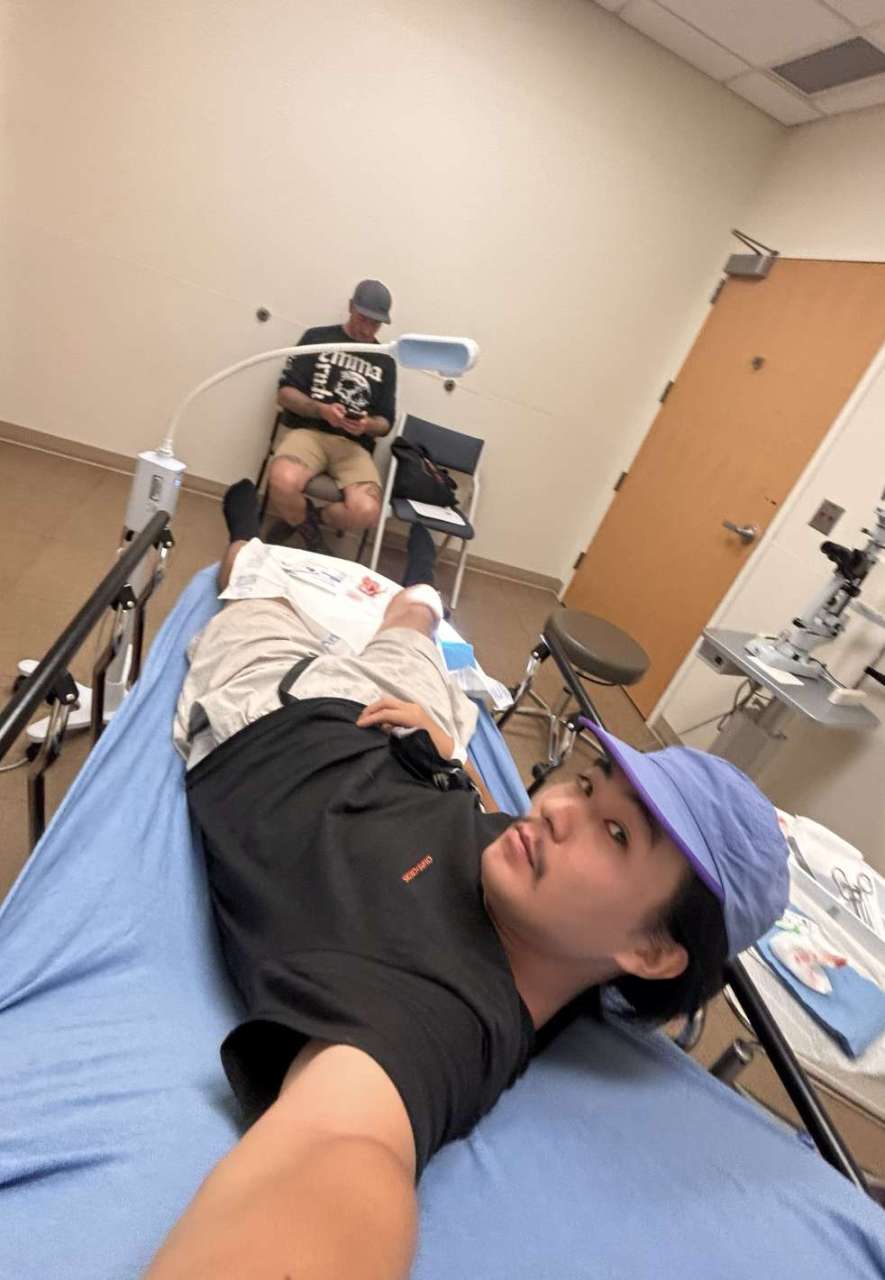
Adam, who is currently leading Surly as Brand Director, took me to the hospital.
He had other plans that day, including an interview with the Blue Lug team, but instead he stayed with me at the hospital until everything was finished.
About five hours.
And if you’ve ever been to a hospital, you probably know there’s a lot of waiting.
So we talked.
At first, it was normal stuff: where we grew up, where we’ve lived, work, family, music, and obviously bikes.
But as the hours passed, the conversation got much deeper.
We talked about how he sees Surly today, what it means to lead a brand with so much history, what he wants to protect, and also what he doesn’t want Surly to become.
A lot of that conversation has stayed with me since coming home.
“A Surly Isn’t Finished When You Buy It”
One of the ideas that stuck with me the most was something really simple.
A Surly isn’t finished when you buy it.
That’s where it starts.
A complete bike might leave the shop in one form, but that doesn’t mean it needs to stay that way forever.
You start riding, and then you learn something about yourself.
Maybe you realize you want to carry more stuff. Maybe you start riding longer distances. Maybe you move somewhere with more dirt roads. Maybe you want a more comfortable position. Maybe you suddenly care about going faster, or maybe you stop caring about going fast at all.
Your life changes, so the bike changes too.
A handlebar changes. A rack gets added. The tires get bigger. A geared bike becomes singlespeed. A simple bike becomes loaded with bags. Or maybe a bike covered in parts gets stripped back down.
That change isn’t a problem.
That’s part of the bike.
The more Adam talked about it, the more I understood that when Surly talks about making bikes that can stay with someone for a long time, it isn’t only about making a strong steel frame.
It’s about making a bike that can adapt as the person riding it changes.
Your job changes. Where you live changes. Your family changes. The places you ride change. You get older. Your idea of fun changes.
And somehow, the same frame can keep finding a new role in your life.
I really liked that idea.
Before coming to Minneapolis, I think I understood Surly mostly through the bikes themselves: the shapes, the colors, the builds I had seen at Blue Lug, and the people I had seen riding them.
But after riding with the Surly crew, and especially after those five hours talking with Adam, I started to realize that a lot of what makes a Surly a Surly isn’t something you can see just by looking at the frame.
It’s in the way people use it, the way they change it, the life that happens around it, and maybe most importantly, the people behind it.
And that was only the beginning of the conversation.
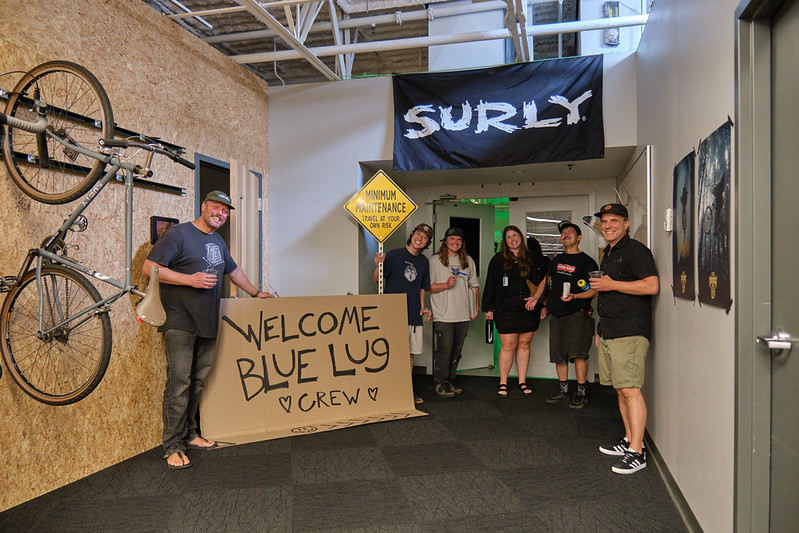
From there, we got into some of the ideas that completely changed the way I think about Surly…
By the time I left Minneapolis, I wasn’t just thinking about Surly differently.
I was thinking about Blue Lug differently too…
and that’s where Part 2 starts…but I’ll save that for next time!
See you at A SURLY HOLIDAY!