Just wanted to float as much as I can
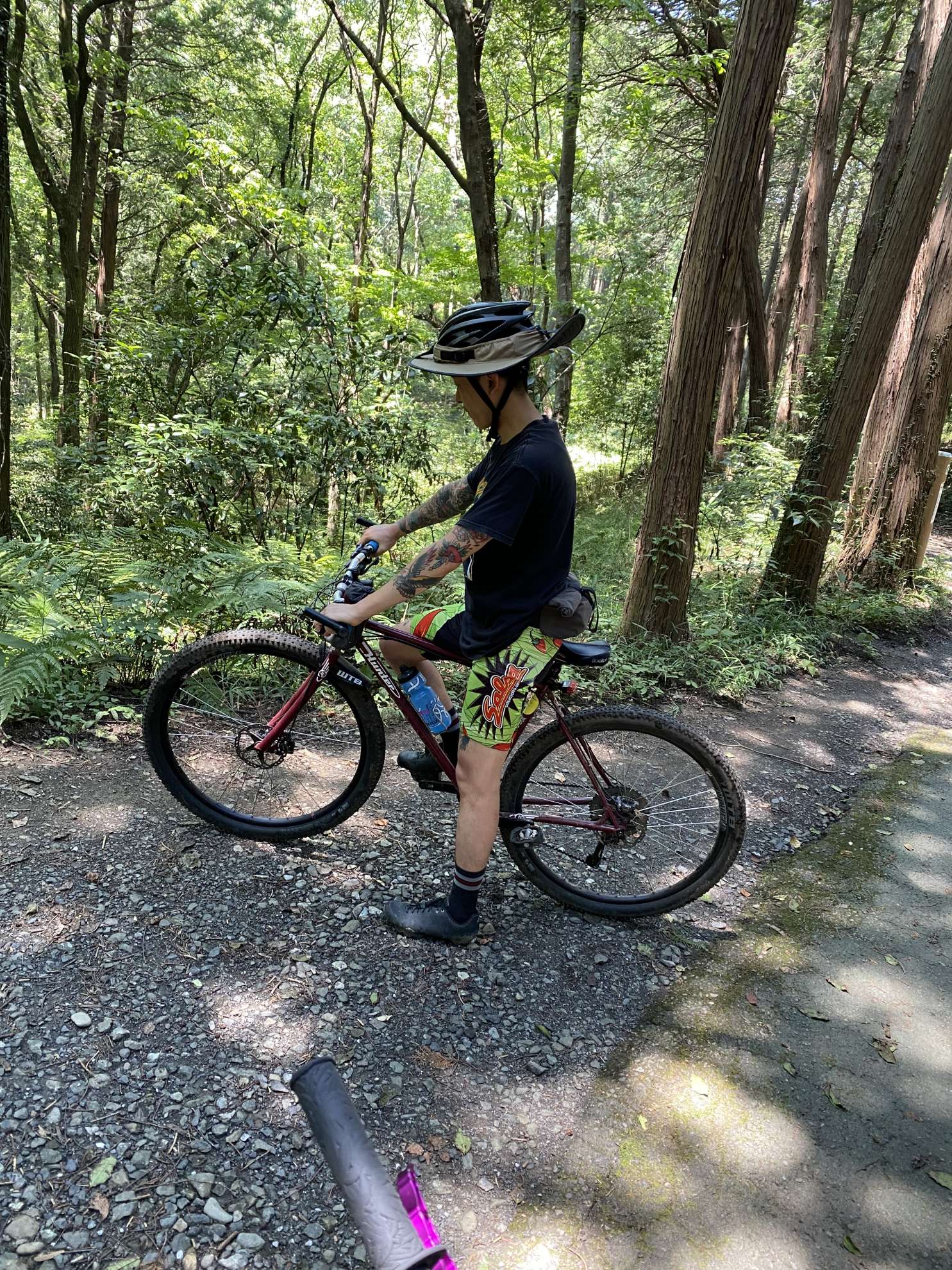
It all started in 2021, when Tani invited me to join him on a mountain bike ride.
That was the day we made a promise to ourselves: we’d ride mountain bikes every single month.
Of course, there were rainy days when we couldn’t ride, and times when we were simply too busy to make it happen.
But whenever we could, we’d make up for it by doubling the fun—sometimes going twice in a month.
It was never an obligation.
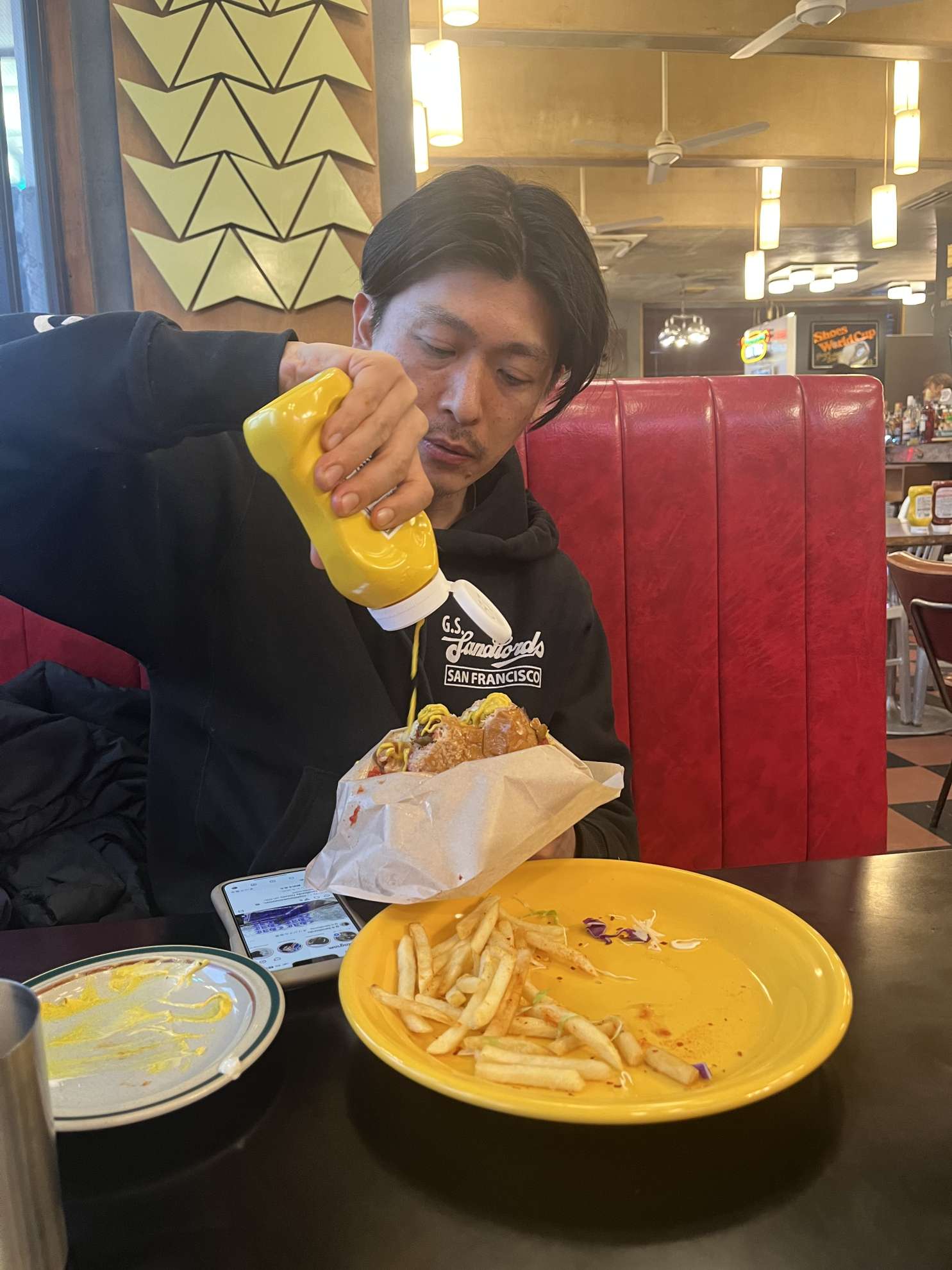
At first, plenty of staff joined us just to give it a try, but before long, it became just the two of us most of the time.
We’d make the drive out, talking nonsense the whole way, and kept coming back to learn the trails winding through the satoyama.
I was basically going on a monthly date with Tani-san so often that even my wife started getting suspicious.
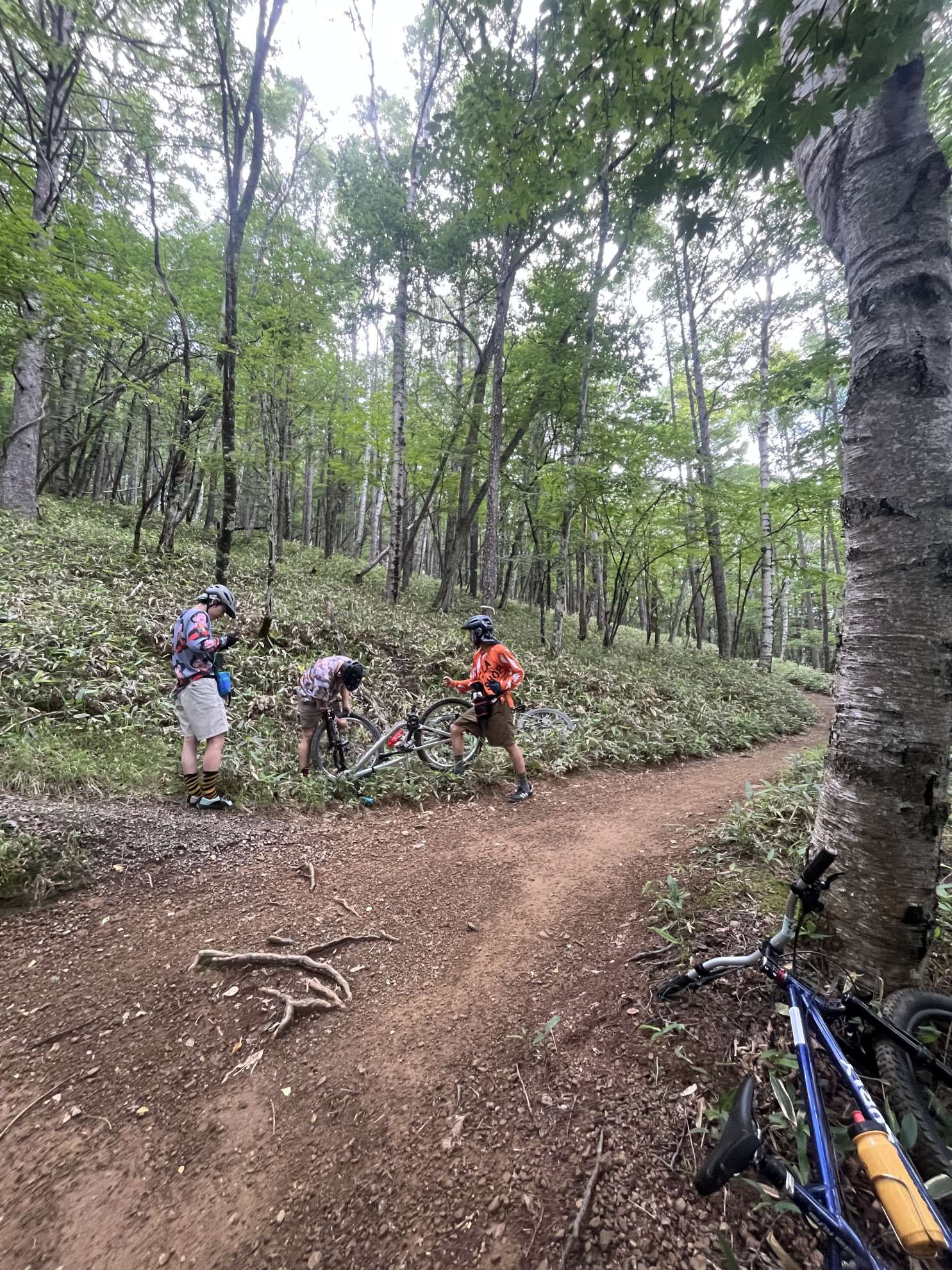
Our weekends were simply about having fun on mountain bikes, but little by little, we got better. We could go farther, ride more trails, and tackle sections we couldn’t before.
And more and more friends started joining us along the way.
There was only one thing we all had in common, we genuinely loved riding mountain bikes.
And that hasn’t changed. We’re still riding today.
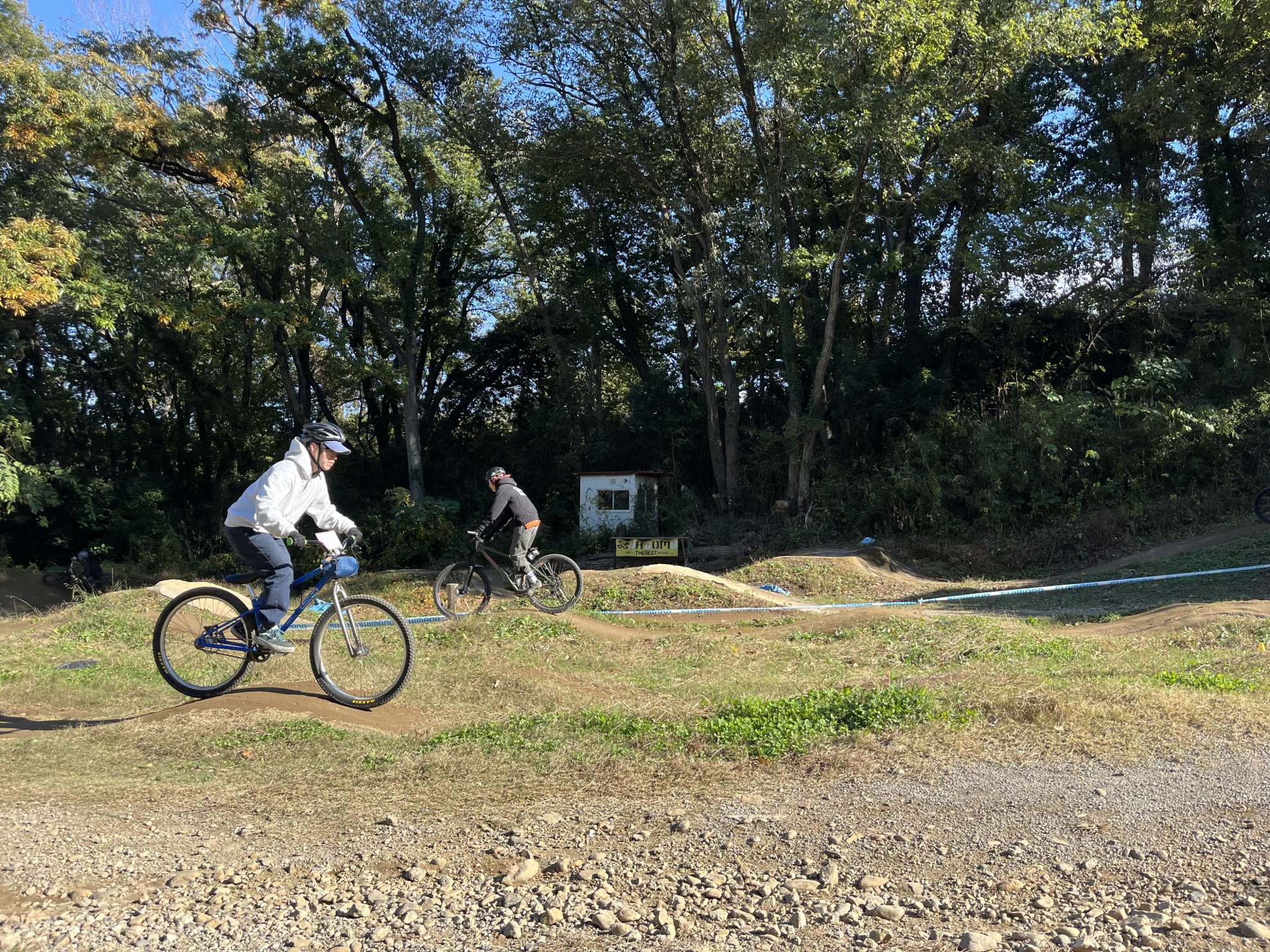
At some point, we started making trips to MTB parks
We wanted to experience a different kind of fun, the more deliberately designed, man-made challenges that you just don’t get on the natural trails we’d been riding.
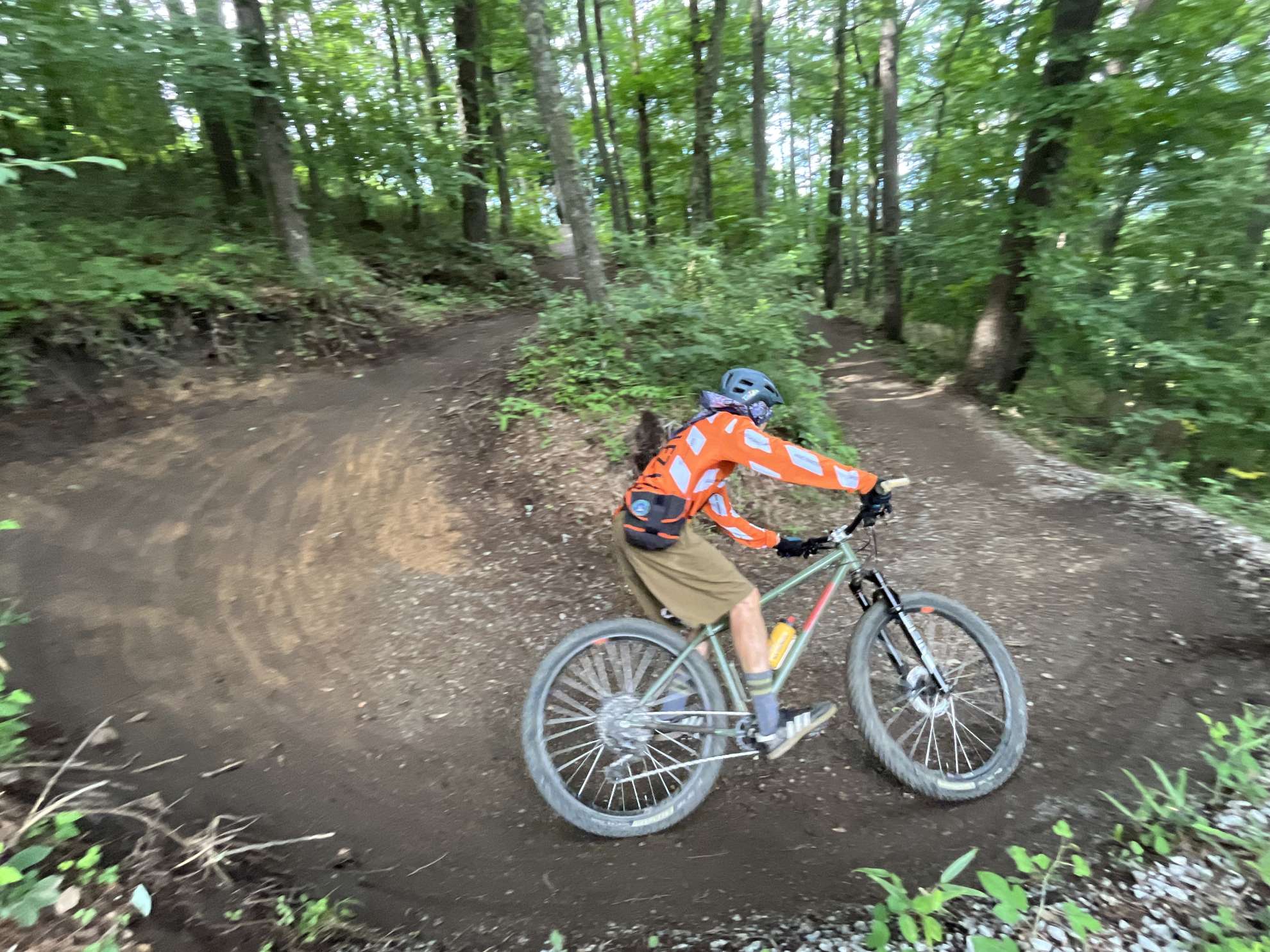
Pump tracks, bermed corners, drops, these were seriously exciting.
We’d already been jumping gaps between exposed roots and leaning hard into naturally formed dirt walls on the satoyama trails, but the park made us realize just how far our limits actually went.
At the same time, it was a place that made us want to push those limits even further.
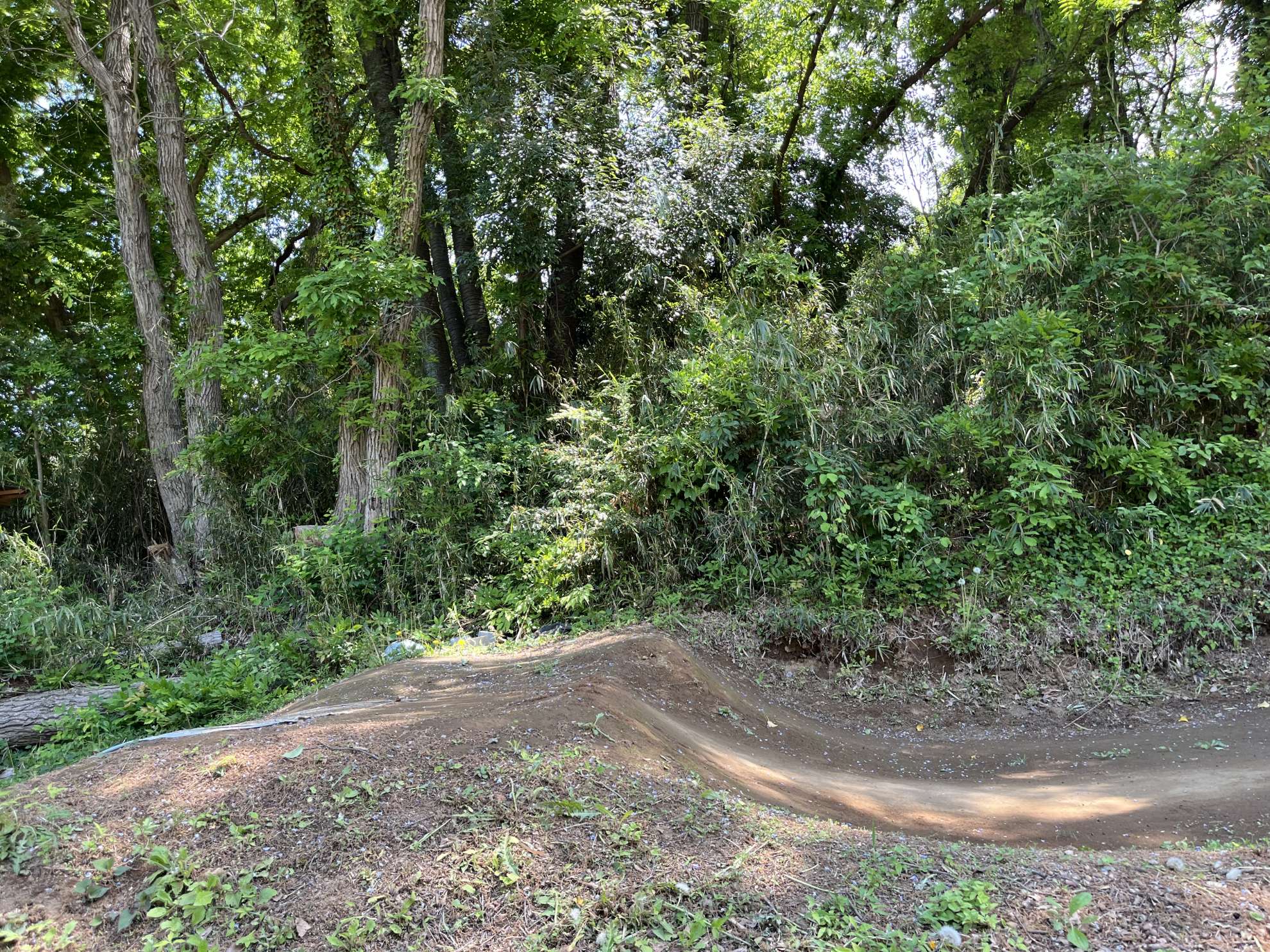
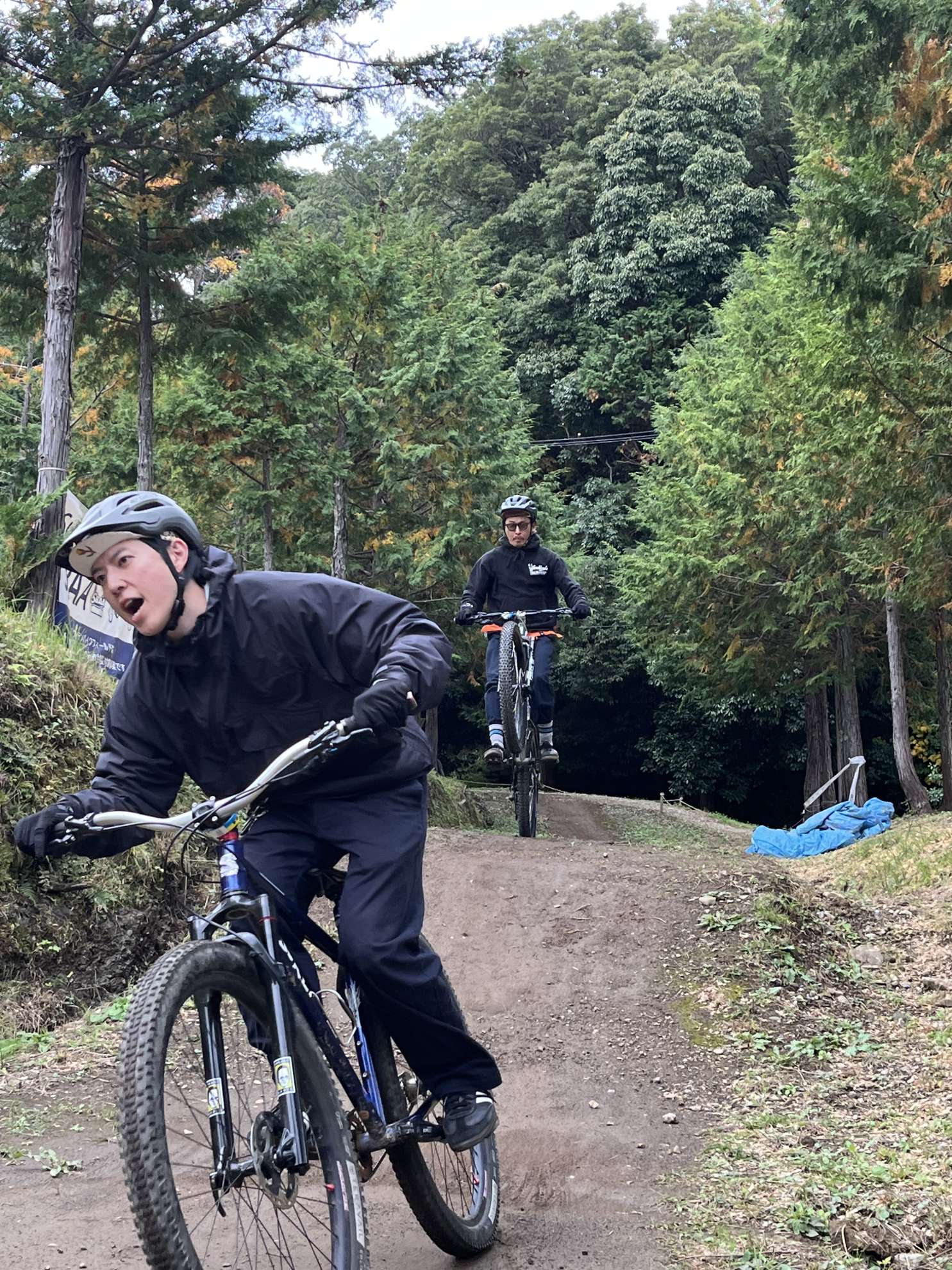
Among them, the most imposing feature was the hard-packed dirt tabletop, built specifically for jumping.
It gave each of us a completely different sense of what it meant to “get air”.
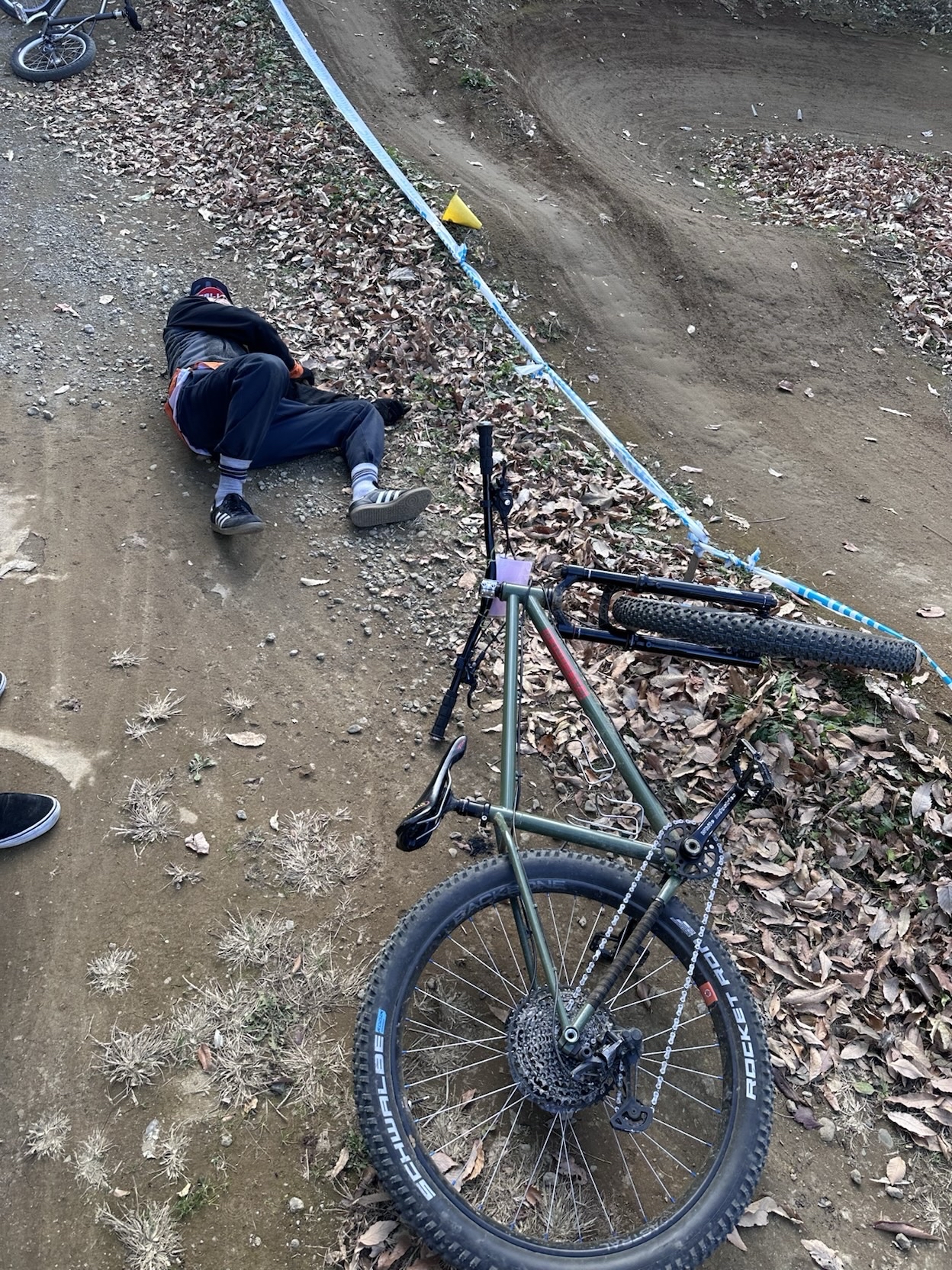
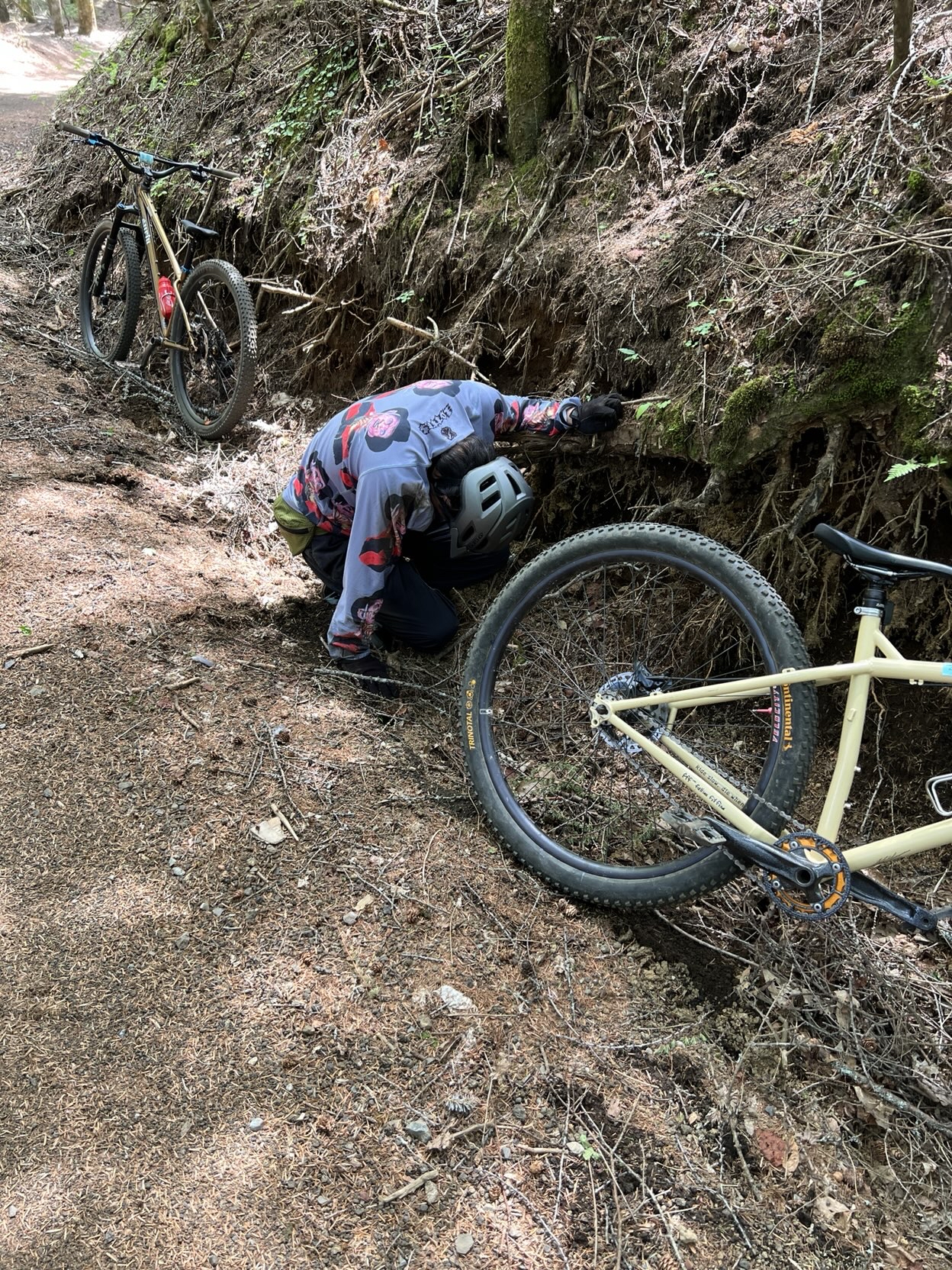
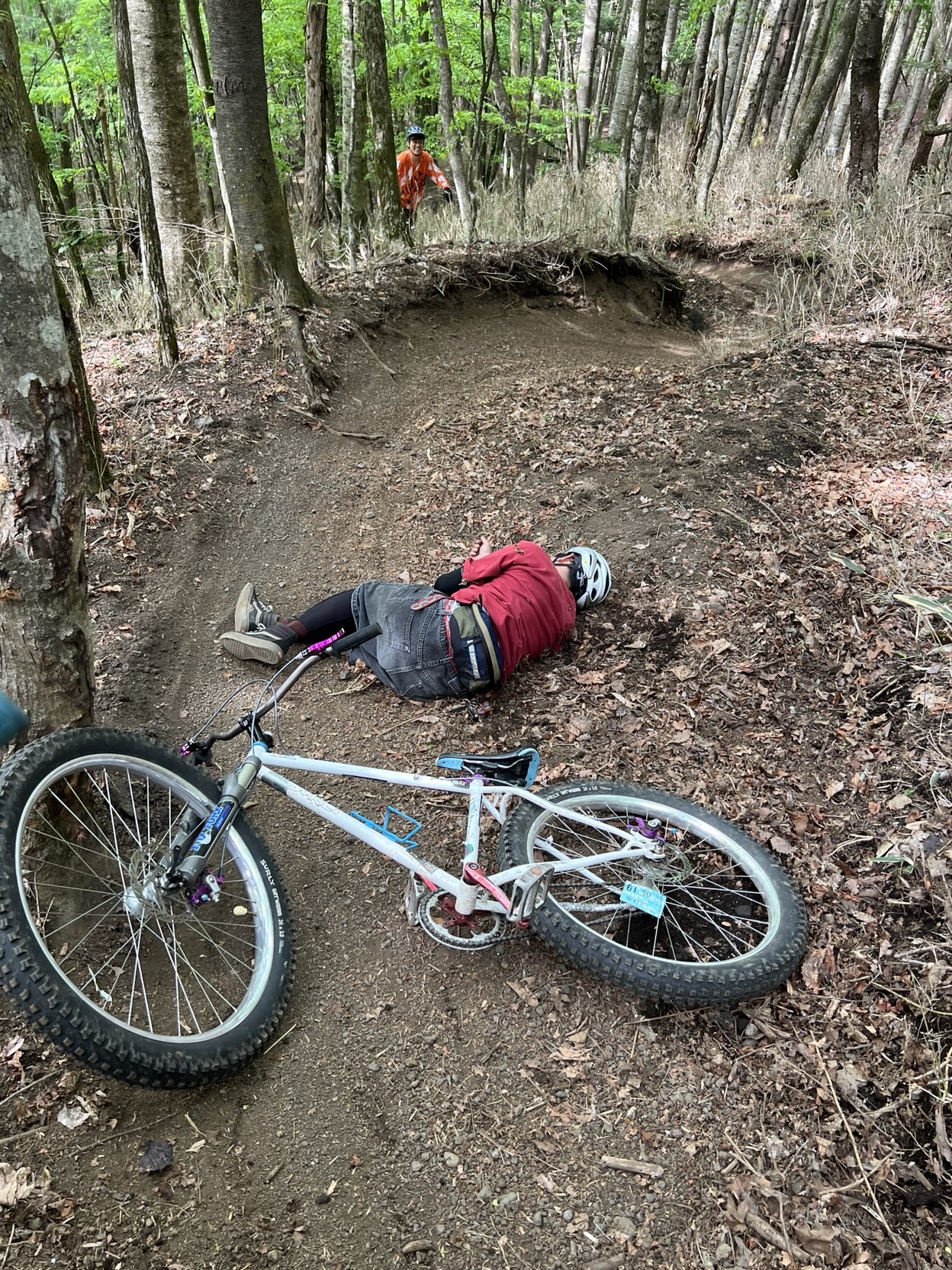
Some ended up with scraped elbows, some sprained their wrists, and some had their shins torn open.
Santa took a hard slam straight onto his back, while I nearly had the handlebars go through my ribs.
Once again, mountain biking is one hell of a gnarly way to have fun.
But for some reason, we never want to stop. We never seem to get tired of it.
If anything, the more it hurts, the harder it becomes to give up.
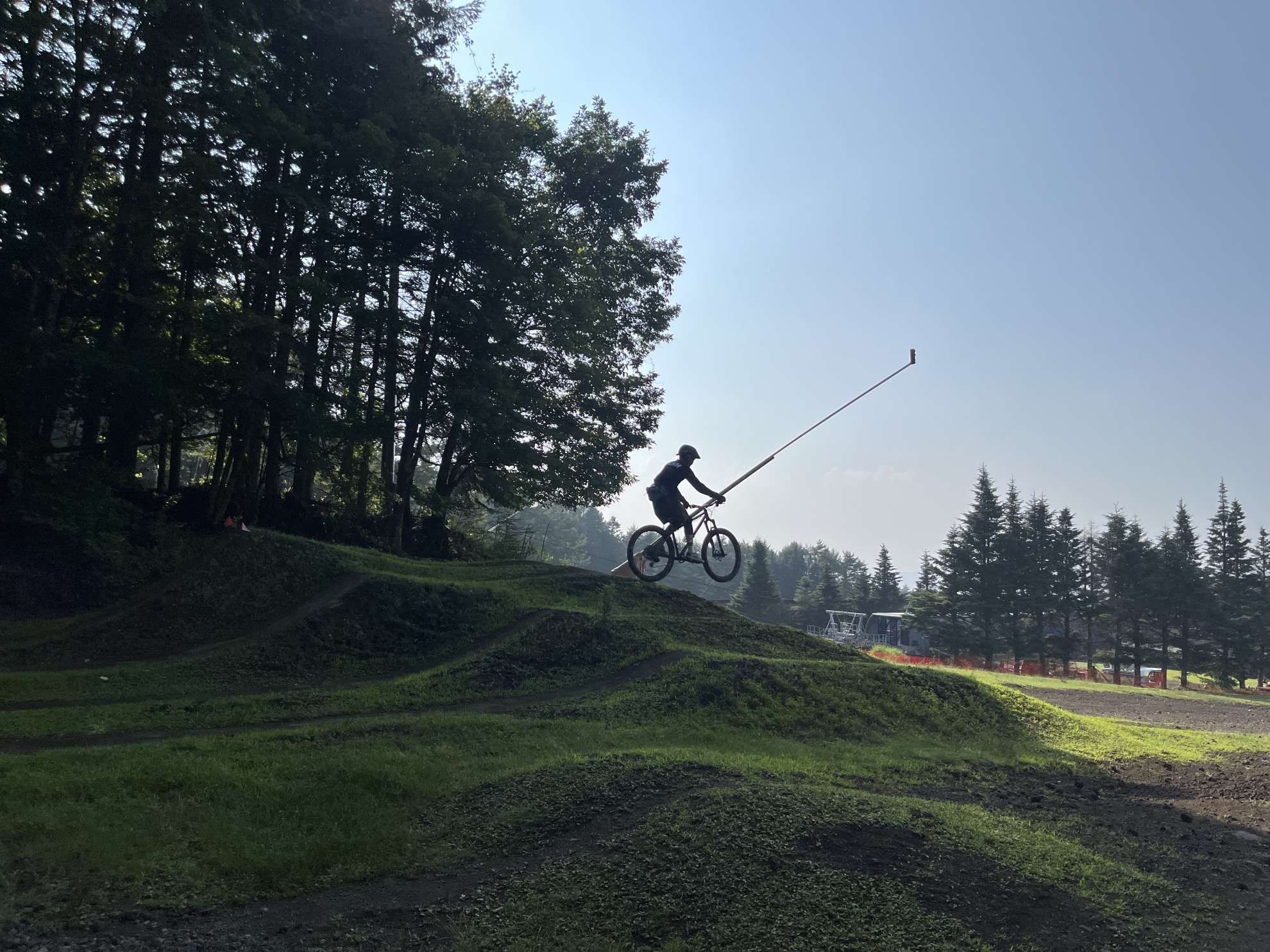
We wanted to jump higher, fly more gracefully, and make it look easy.
Before I knew it, we were completely hooked.
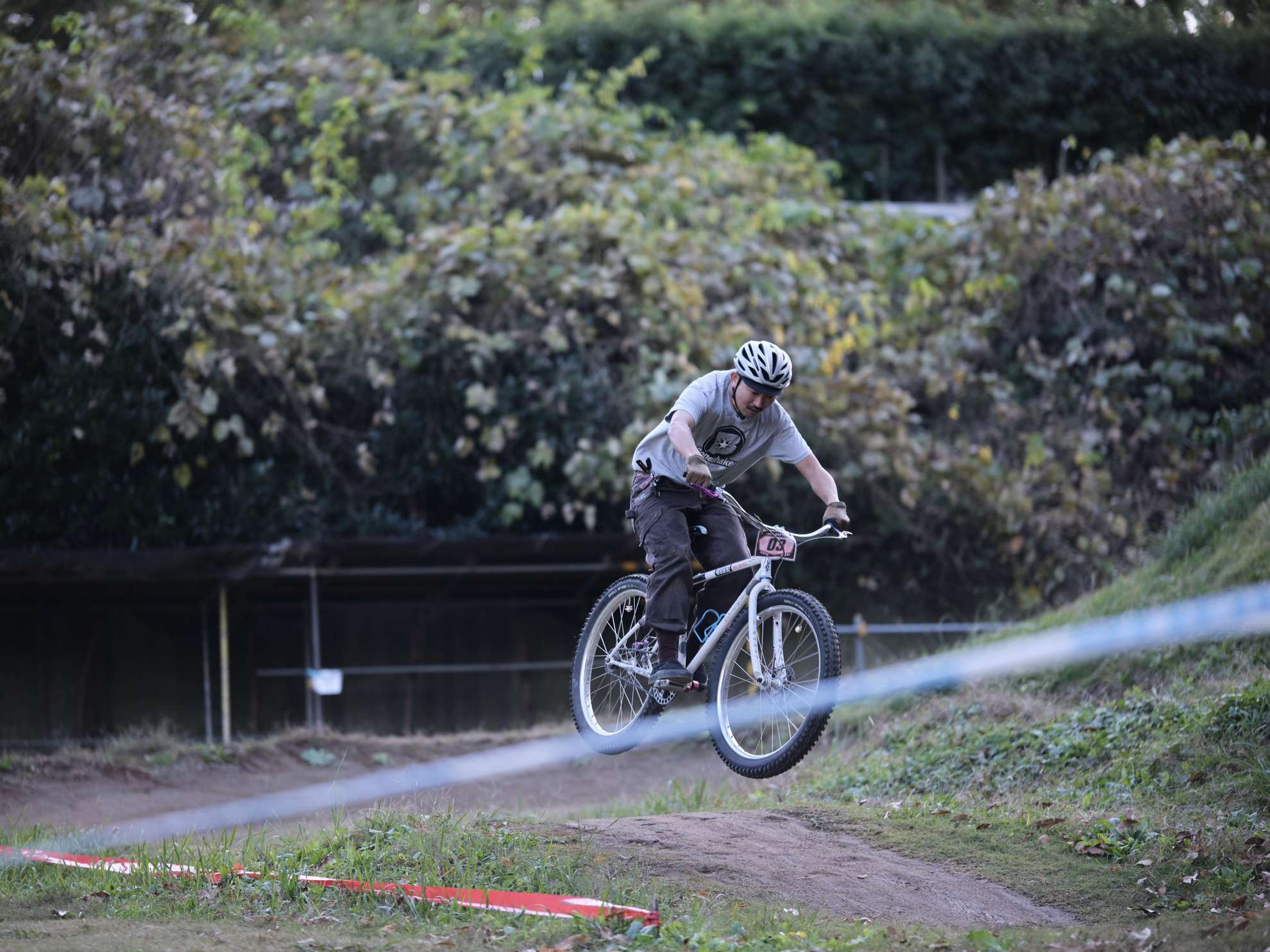
I believe the key to “getting air” is learning how to lift the front wheel.
At first, I’d yank the handlebars up with everything I had, only to end up doing a backflip in midair.
We each kept experimenting with jumps, using the handlebars from our favorite brands, in whatever shapes we liked.
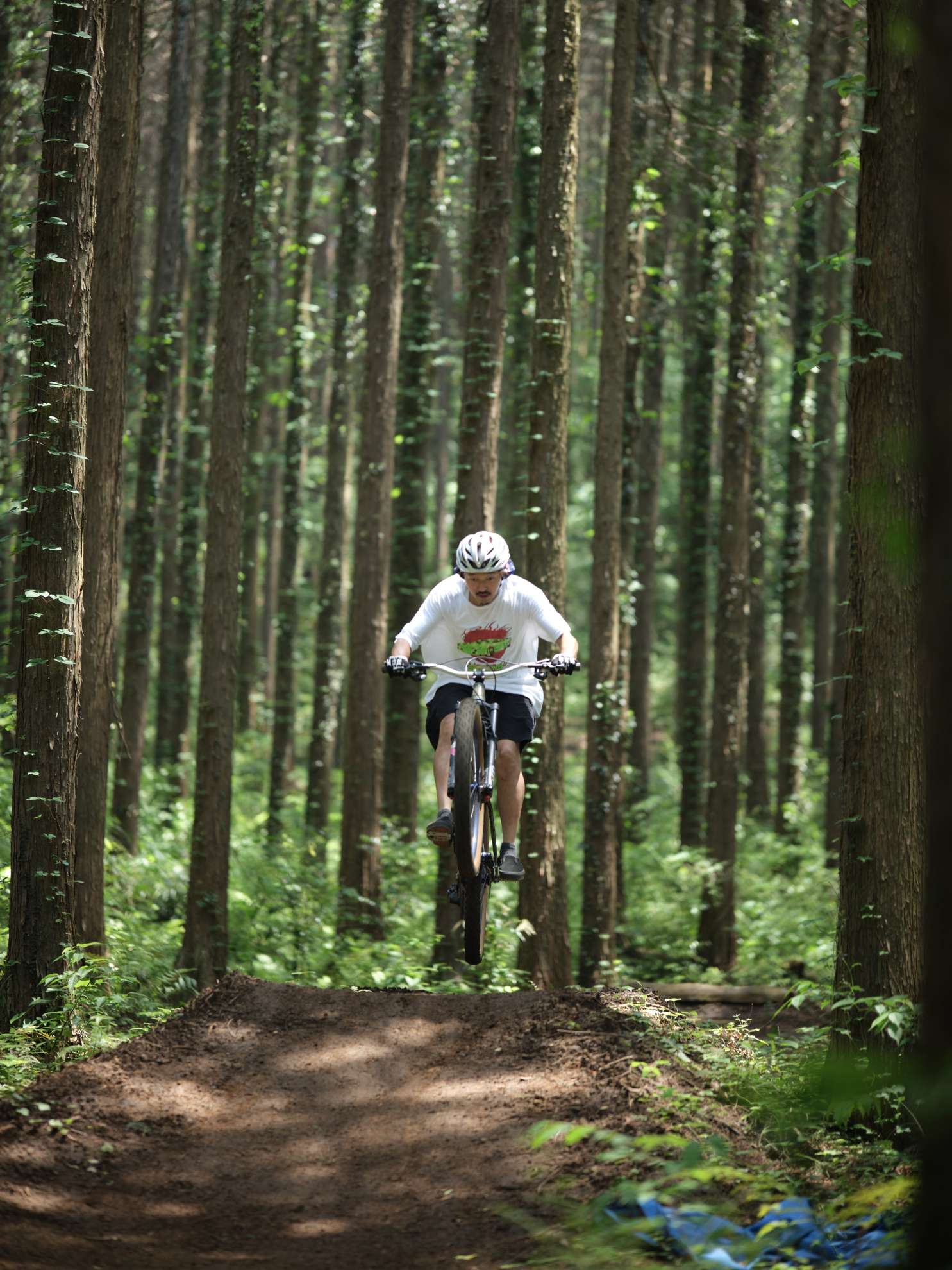
Of course, there was nothing wrong with the setups we were already using. But little by little, I started thinking, “What if this part of the handlebar were shaped differently? Wouldn’t it make lifting the front wheel easier?”
That desire for something that doesn’t exist yet might just be what you’d call a bike mechanic syndrome.
Backsweep, rise angle, strength… I wanted to actually test these things for myself and find out what worked.
As usual, this all started partly from my own selfish curiosity.
But there was another half to the idea: I wanted to create something that might help more MTB beginners overcome that gap between themselves and the challenge of catching air.
So, once again, I took the idea straight to NITTO and asked them what they thought.
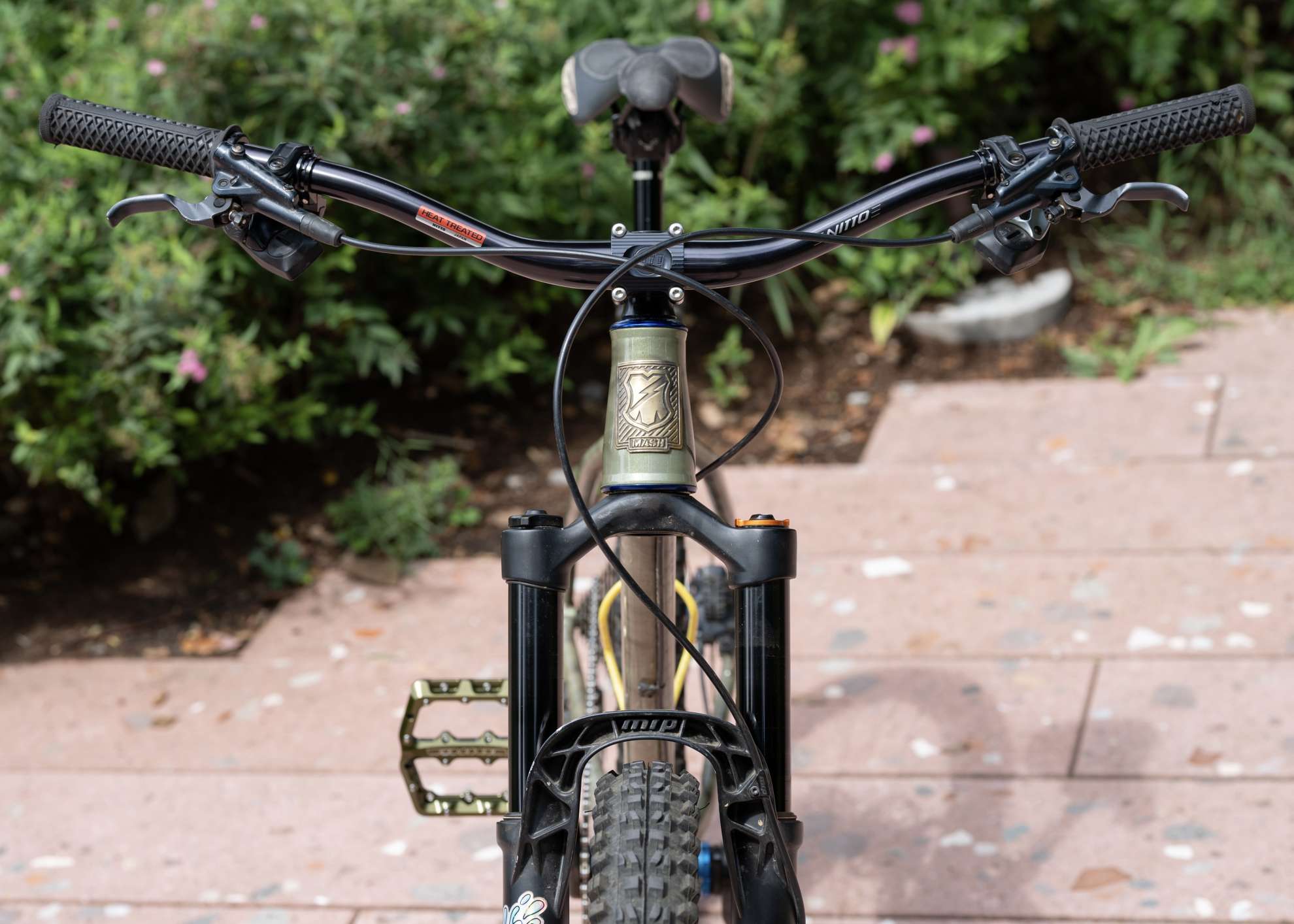
“Could we make a handlebar that can handle the demands of park riding and be used on a suspension MTB?”
Kato-san at Nitto gave me his usual smile and replied, “Another interesting challenge, huh…”
As always, thank you. We always truly appreciate your help.
And you turned it into something absolutely incredible.
“SYNC-BAR XL”
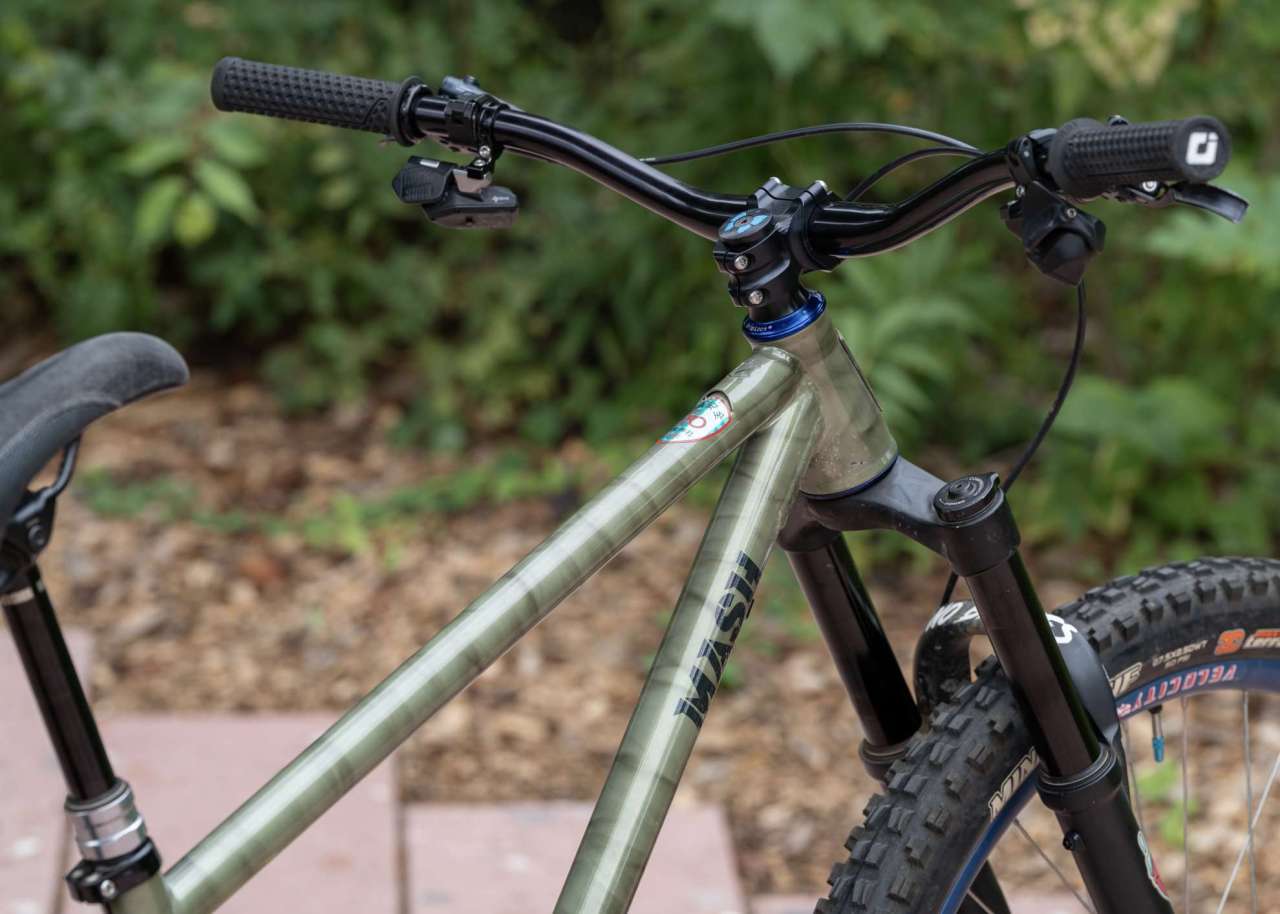
What we paid particular attention to was the backsweep and upsweep angles.
With existing mountain bike handlebars, I never quite felt that the angle of my wrists was right.
I wanted an angle that would let me naturally rest my hands on the bars and lean into them more comfortably, while also putting me in a position that made it easier to pull the handlebars toward me and lift the front wheel.
So I wanted to give the bar a slight sweep back and upward, creating a more natural and intuitive position for getting the front end up.
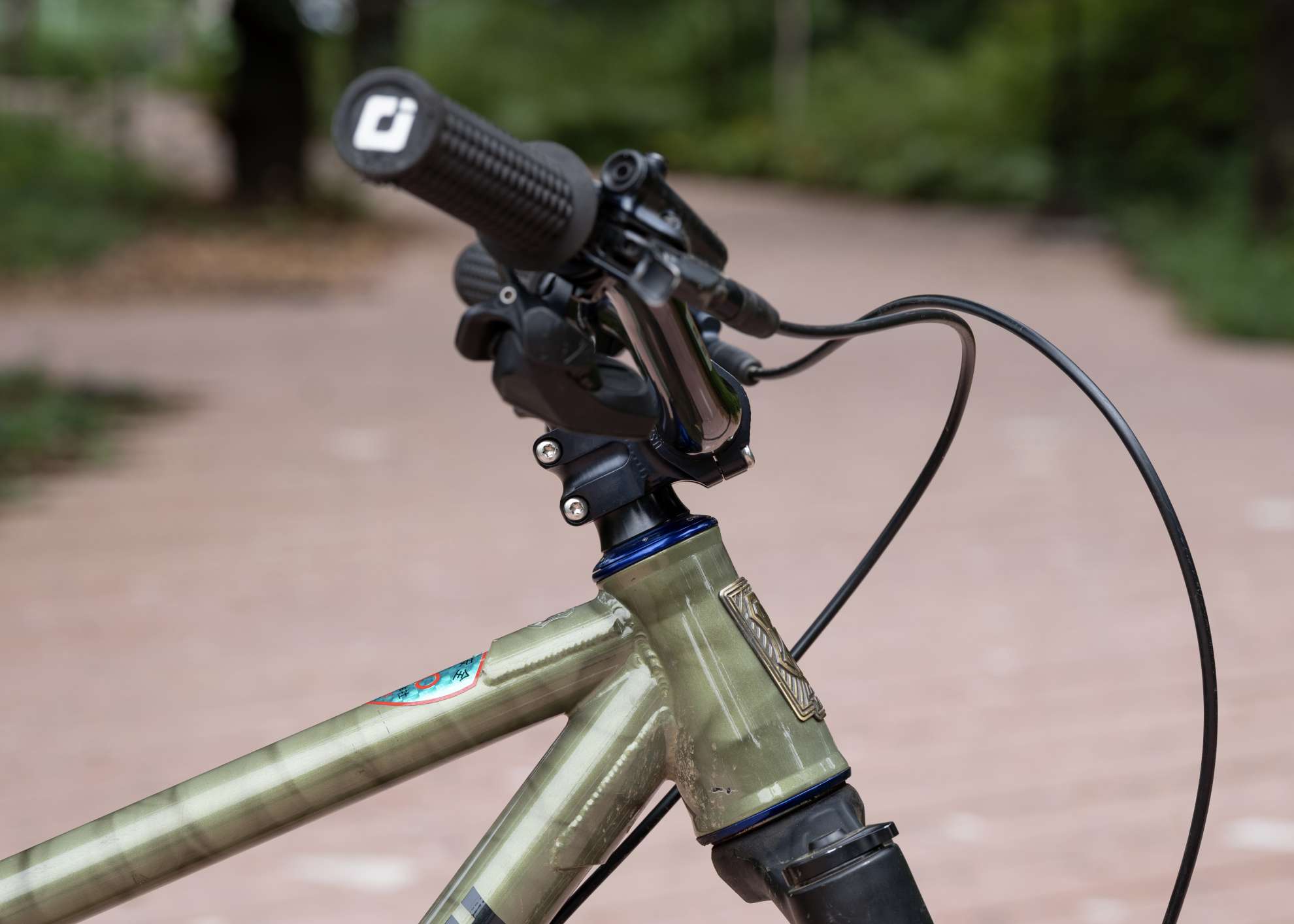
We also gave it a more upright rise angle to suit the slacker head tube angles that have become increasingly common on modern MTBs.
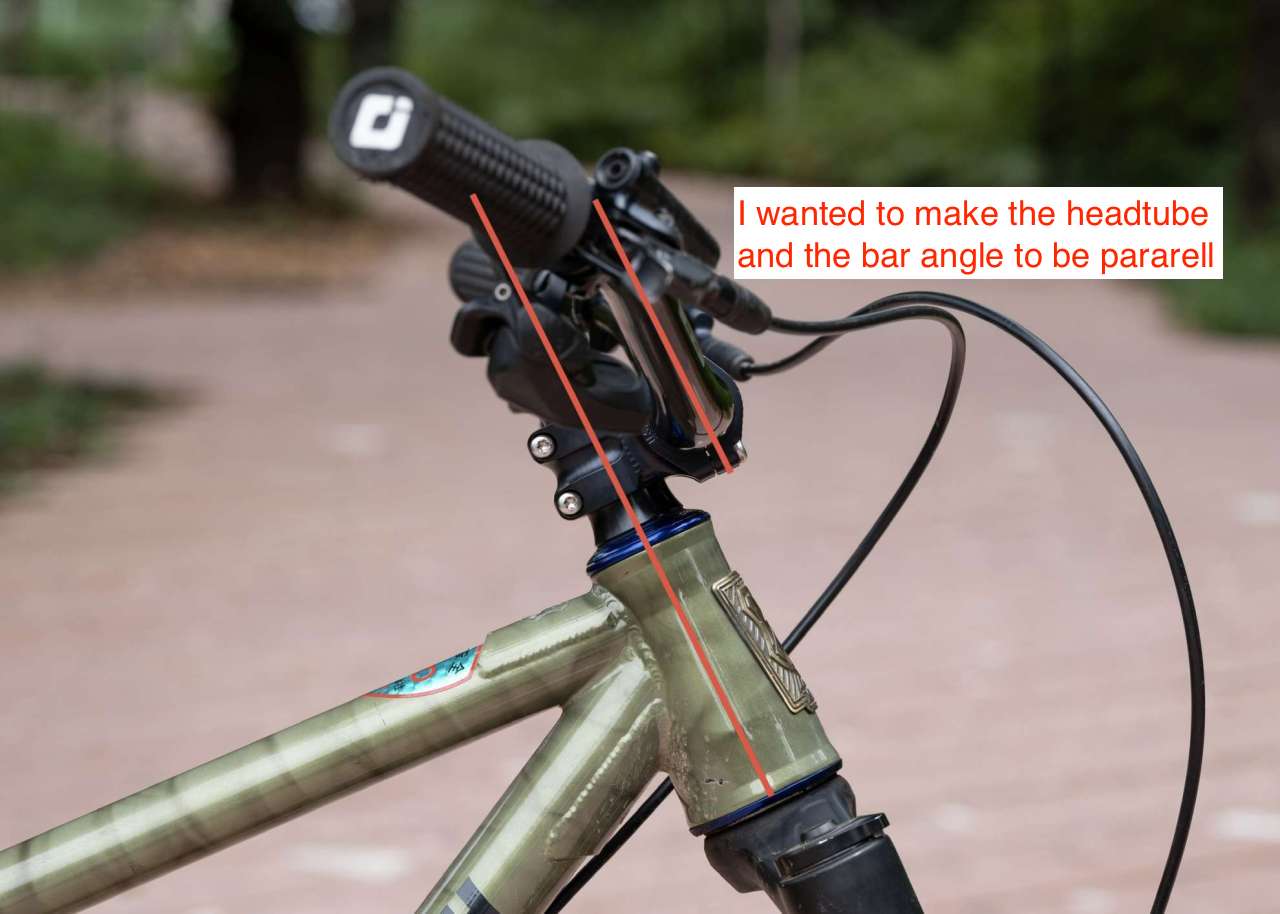
I came to realize that having the bar’s rise angle run parallel with the bike’s head angle is an important detail for making it easier and smoother to lift the handlebars.
It was something I rediscovered through trial and error, playing around with different mounting angles while riding.
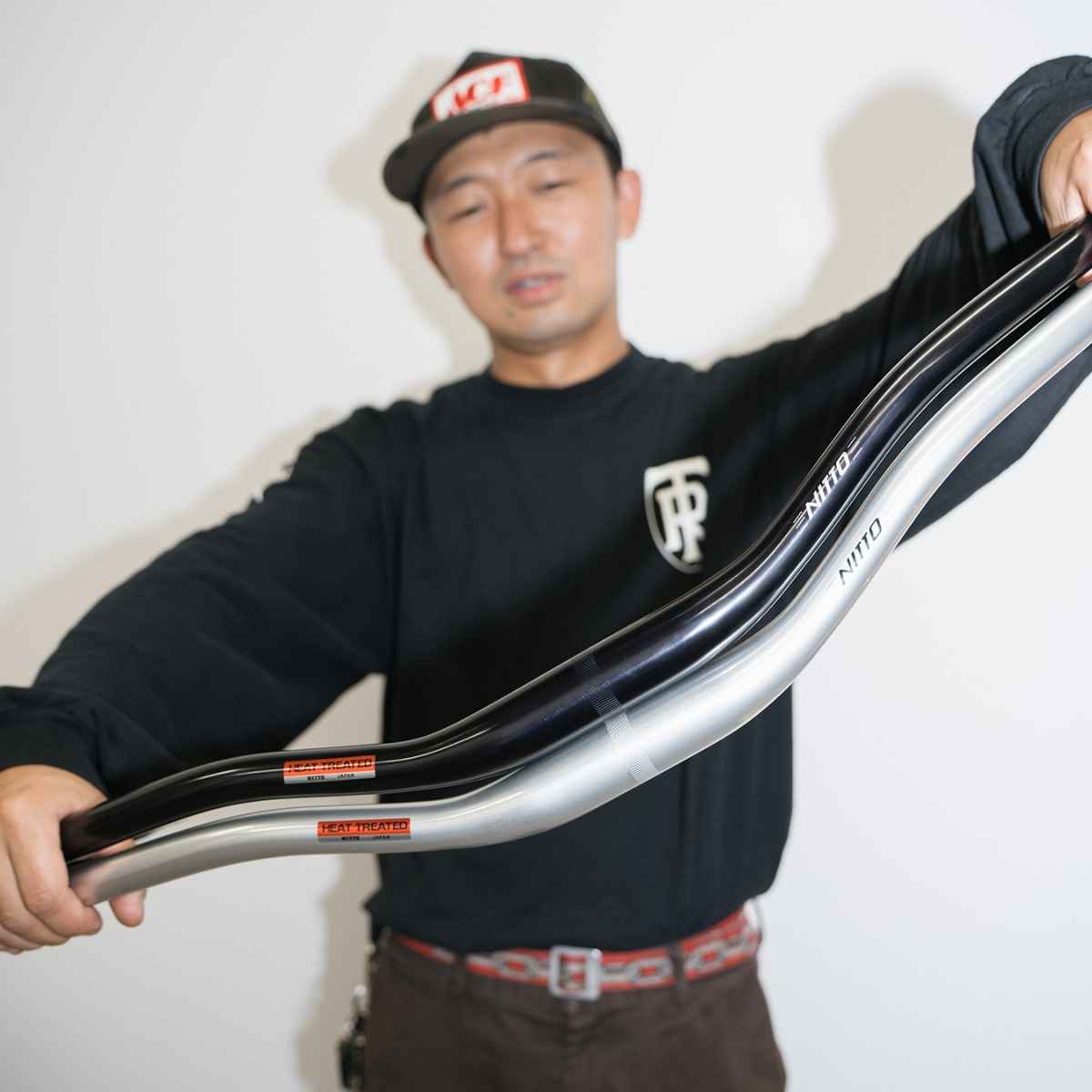
I’ll never forget how light the bars felt when I powered into that first jump and pulled them up on the very first prototype.
I almost went over the back and landed straight on my ass, though.
Based on everything I’d experienced up to that point, I kept tweaking and refining the design, asking myself: What would it take to overcome the hurdles I felt as a first-year mountain biker at the park?
What I arrived at is what I consider my golden ratio.
I believe this shape can help beginners take that next step and improve their skills.
And that’s why I’m finally putting it out into the world.
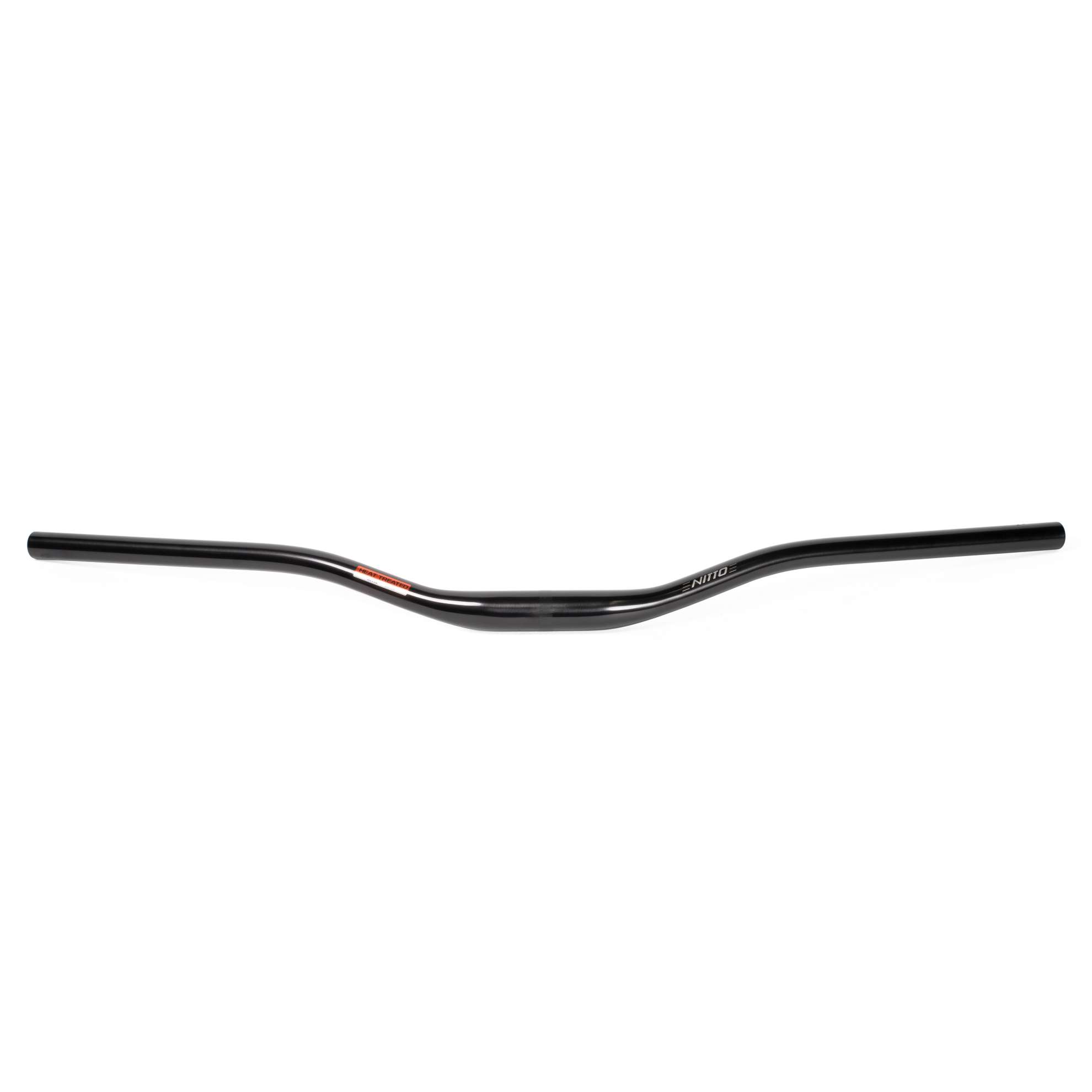
It doesn’t have the striking looks of the Jam-Bar or the catchiness of the Hi-Bar.
But for a handlebar designed specifically with mountain biking in mind, I think it ended up with a shape that’s surprisingly refined—less wild, and much sexier than you might expect.
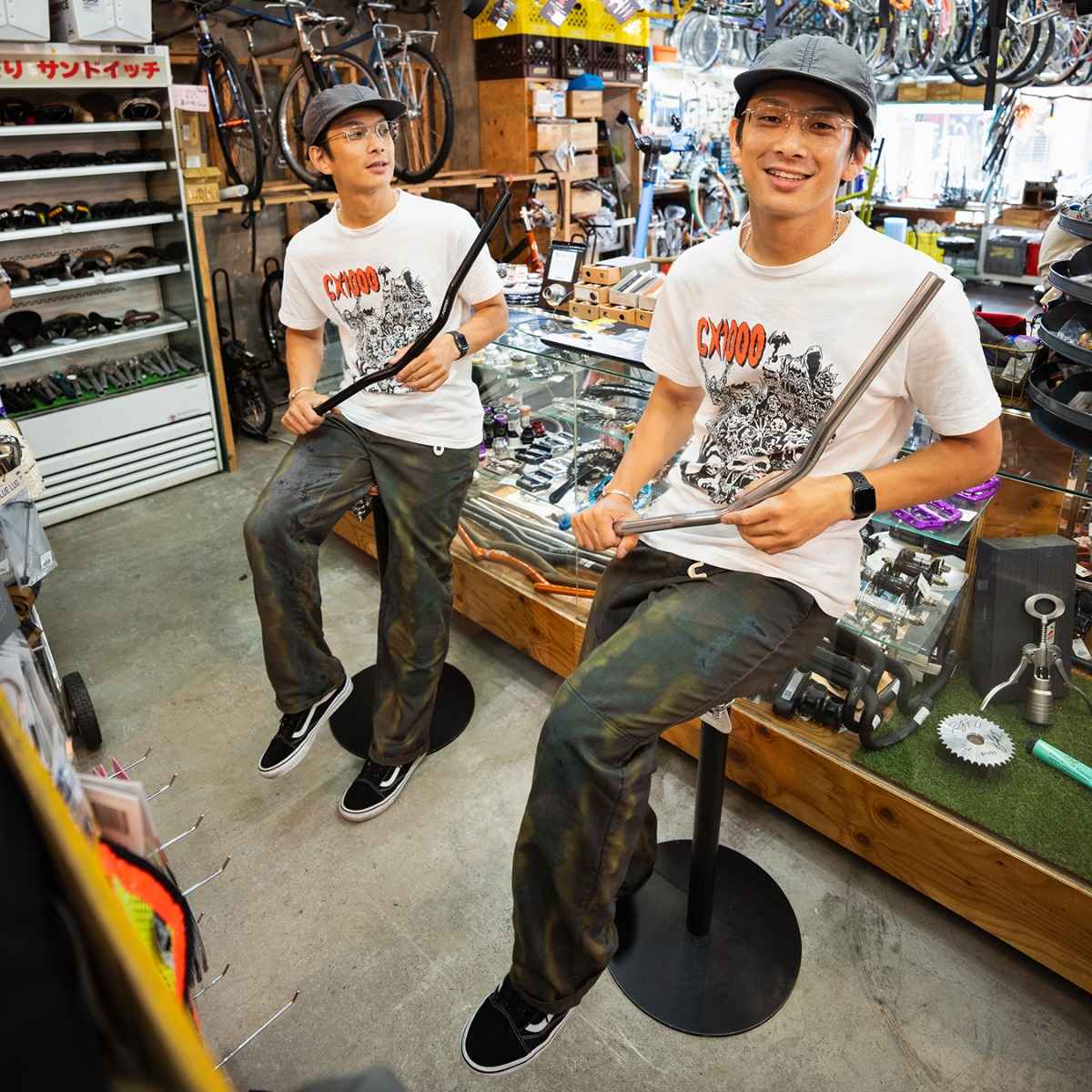
Built from the rider’s own feedback and experience, I think it has become a worthy sibling to the original “SYNC-BAR,” the first Cent signature bar.
It carries on that name while offering a truly intuitive, ride-and-feel kind of experience—one where you can immediately understand what the bar is doing as soon as you start riding and moving the bike.

Of course, just because the idea came from mountain biking doesn’t mean I’m insisting that it has to be used on an MTB.
It could be great on a flat-bar gravel bike, or even on a fixed-gear bike for trying out wheelies. There are all kinds of bikes to experiment with, so please give it a try on whatever you ride.
And if it sparks your curiosity, don’t be afraid to try lifting that front wheel.
Just be careful not to get carried away and end up landing on your buttocks.
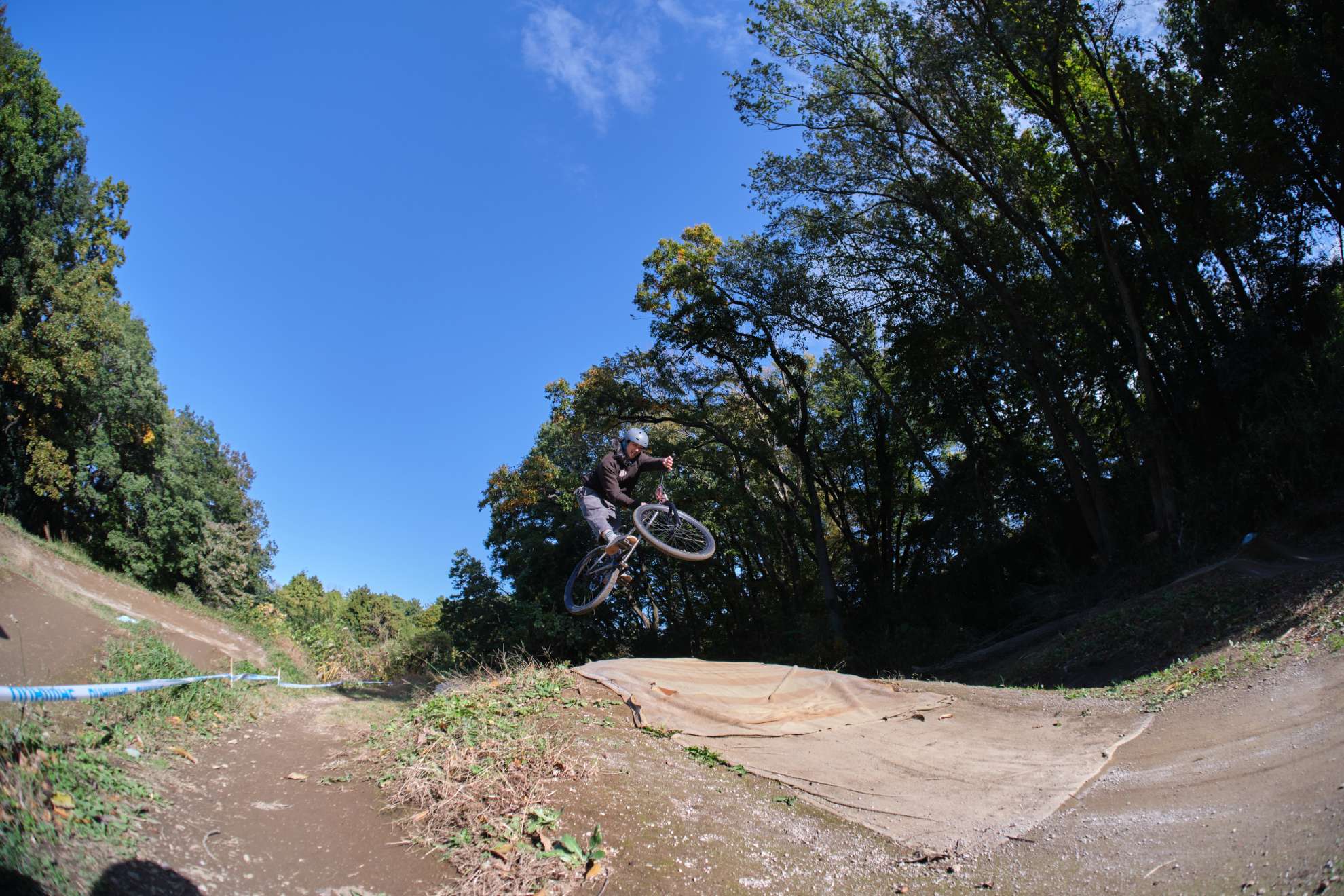
I was just really happy to have had the chance to design my own MTB handlebar, so I also asked the manager of a certain bike park and Jackie from our Kamiuma store to give it a try.
They told me:“For tricks where you turn or spin the handlebars in the air, flatter bars are actually easier to work with. That’s why you see each manufacturer’s character reflected in the angles and shapes of their handlebars.”
There’s still so much for me to learn about design.
It’s fascinating how ideas can come from so many different perspectives, and how those ideas eventually come together to create something real.