LET THE BIKE PLAY!
I think sometimes we take our bikes a little to seriously.
We decide what they are before we’ve really given them a chance.
This one is for commuting.
This one is for touring.
This one is for gravel.
This one is too nice for that.
This one probably shouldn’t go there.
I do it too. (Having too many bikes is another problem we can talk about next time lol)
You spend so much time choosing the frame, thinking about parts, changing handlebars, tires, bags, gearing.
Eventually, without realizing it, you’ve created a list of rules for your own bicycle.
But lately I’ve been thinking:
“Maybe sometimes you just need to let the bike play.”
Hi, Kasper here again,
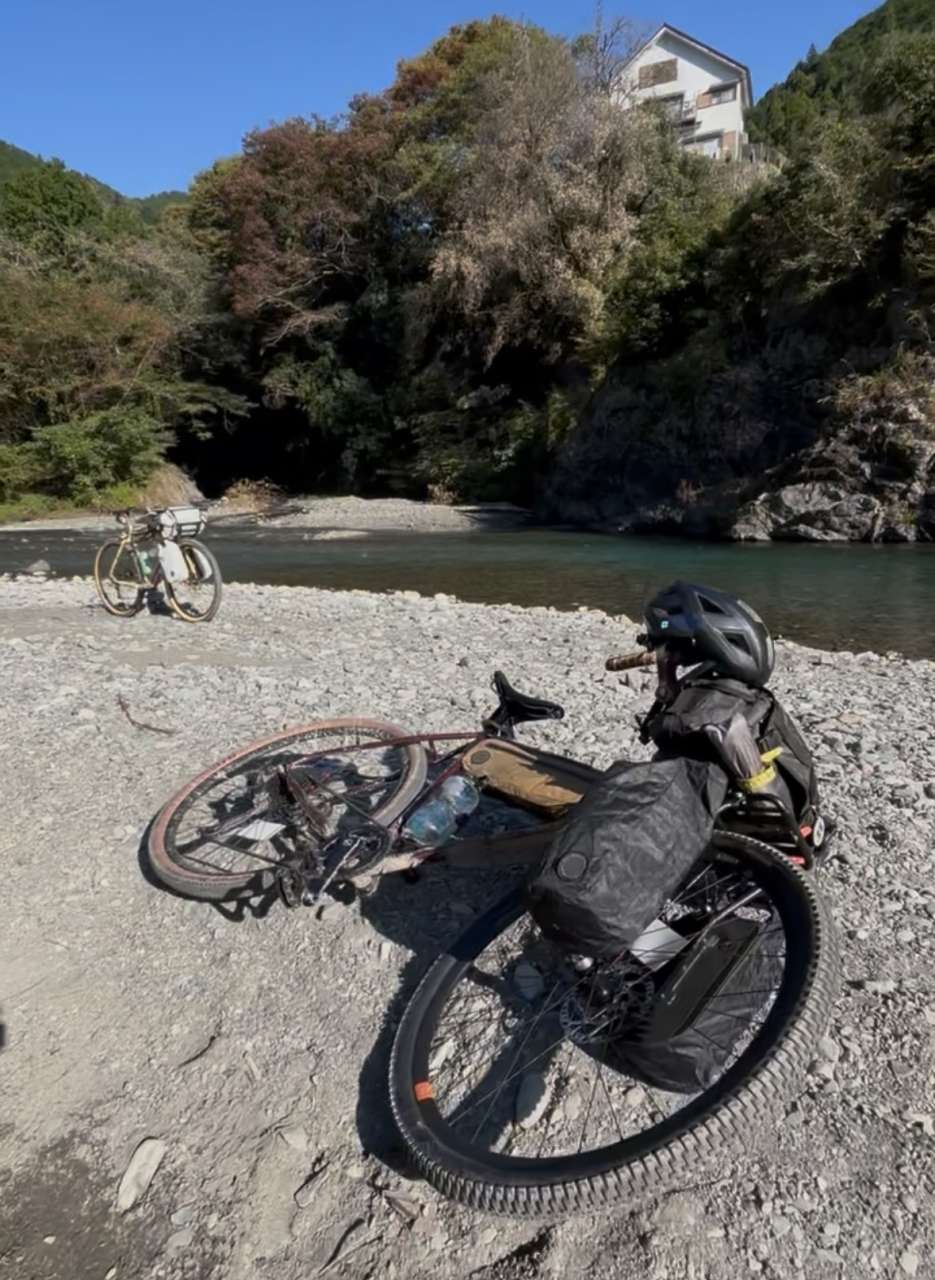
My Midnight Special (aka Everyday Special) from Surly is still pretty new to me.
I knew why I wanted one when I had it built, but I don’t think I really knew what kind of bike it was going to become.
And maybe I still don’t.
That’s starting to feel like a good thing.
What Is This Bike Actually Good At?
When I first got my Midnight Special, naturally I had an idea in my head of how I would use it.
Ride around Tokyo.
Go a little faster.
Go farther.
Carry some stuff.
Take it on longer trips.
Pretty normal expectations. But the more I ride it, the more I realize that some of the most enjoyable moments happen when I take it slightly outside of whatever I thought its job was supposed to be.
A rough road.
A forest road.
A little bit of trail.
A loaded ride.
A section where I look down at the bike and think:
“Are you really supposed to be here?”
And then it just keeps going.
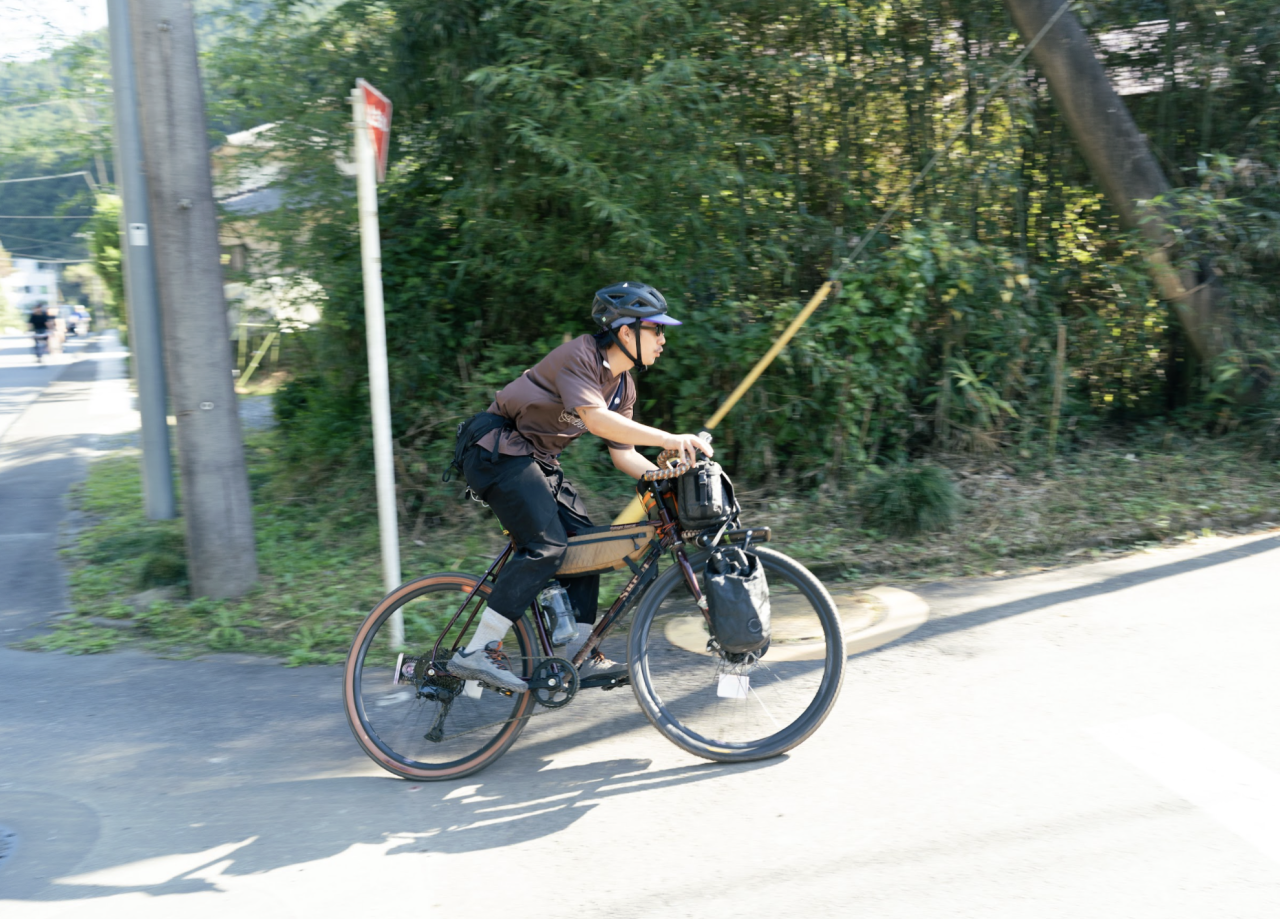
That feeling has become one of my favorite parts of owning a bike. Not knowing exactly where its limits are.
Bikes Don’t Read Product Descriptions
We spend a lot of time categorizing bicycles.
Road bike.
Mountain bike.
Touring bike.
Gravel bike.
Commuter.
Track bike.
And of course those categories are useful.
They help us understand geometry, components, tire clearance, and what a bike was designed to do.
But the bicycle itself doesn’t know any of that. It doesn’t know what category it was listed under on a website. It just responds to wherever you point it.
Sometimes it works beautifully.
Sometimes it definitely does not.
But even finding that out can be fun.
I’m not saying you should take a road bike down a downhill MTB course tomorrow.
There are obviously limits, and understanding your bike and riding safely still matters.
What I mean is that maybe we don’t always have to stay perfectly inside the intended use.
A bike can surprise you.
And you can surprise yourself too.
The Bike Starts Talking Back
I’ve noticed that I learn more about my bicycle when I put it into situations that aren’t completely predictable.
On a smooth road, everything works. You pedal. The bike goes forward. Great.
But when the road gets rough, suddenly you notice things.
How the bike handles when the front wheel starts moving around.
How much grip the tires actually have.
How the bike feels when it’s loaded.
Where your weight naturally goes when you stand up.
Whether the handlebars feel right after three hours instead of twenty minutes.
Whether your gearing makes sense when the road suddenly points upward.
You start learning the bike’s personality.
And the bike starts teaching you how to ride it.
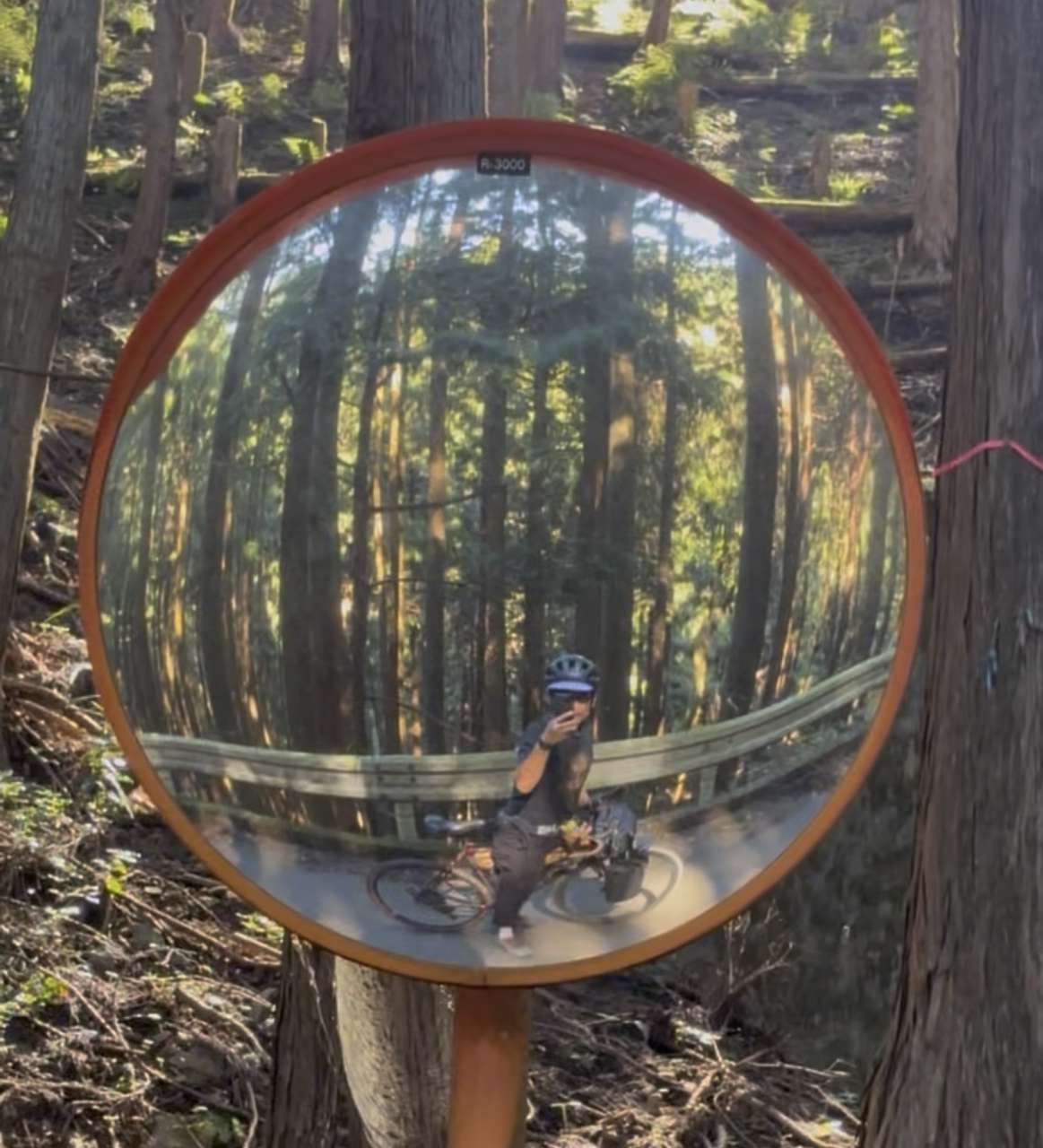
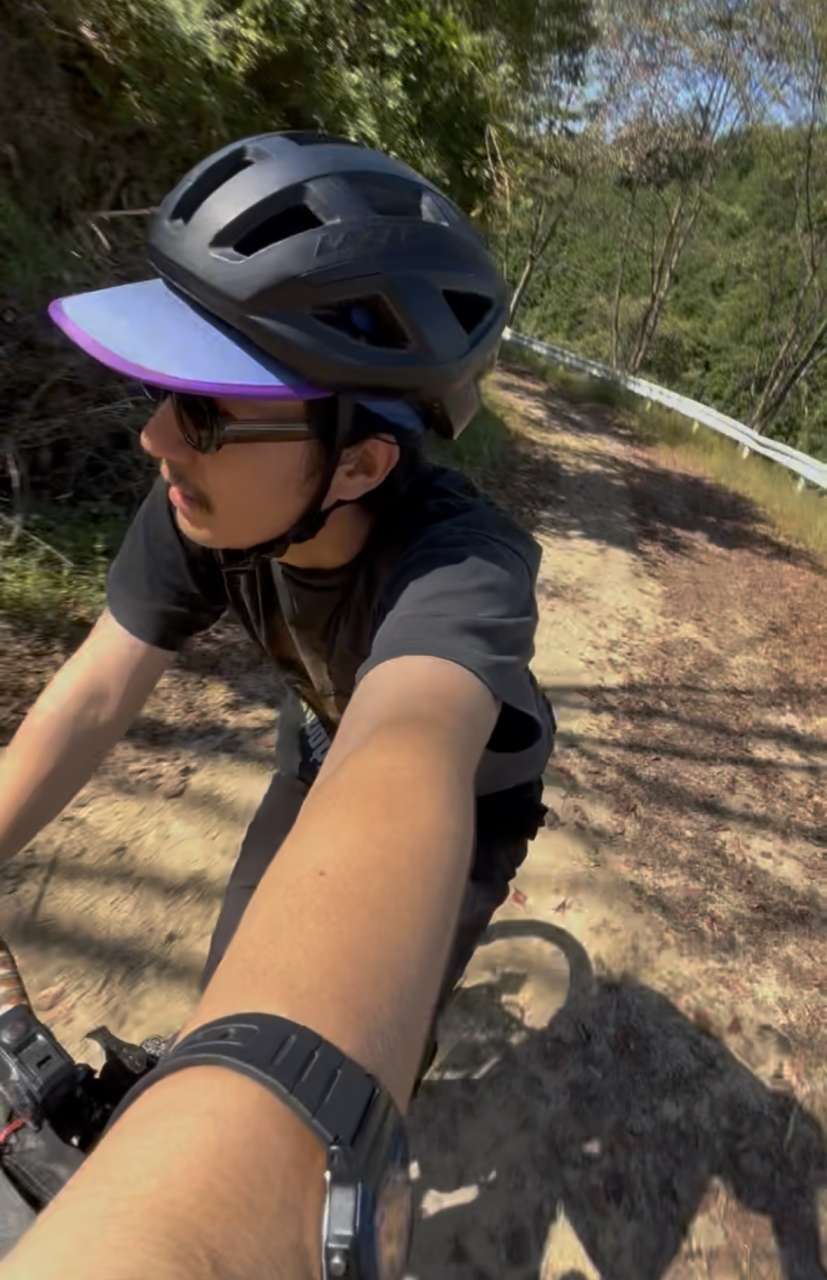
That’s something I don’t think I really understood before I started riding more seriously. I used to think getting better at cycling mostly meant becoming fitter or faster.
Of course those things are part of it. But there’s also this quieter process of learning how to move together with your bike.
You stop fighting it. You start understanding what it wants to do.
And eventually some things that felt scary or awkward start feeling natural. That process is ridiculously fun.
Scratches Are Probably Fine
I also think owning something nice can sometimes make us afraid to actually use it.
Fresh paint. Nice components. Everything perfectly clean.
You want to keep it that way. I completely understand.
There’s something beautiful about a perfectly built bicycle.
But there’s another kind of beauty that only appears after you’ve used it.
Cable rub.
A scratch from leaning it against something.
Mud somewhere you somehow missed while washing it.
Bar tape that isn’t quite the same color anymore.
A bag that has clearly been packed a hundred times.
Those things are evidence.


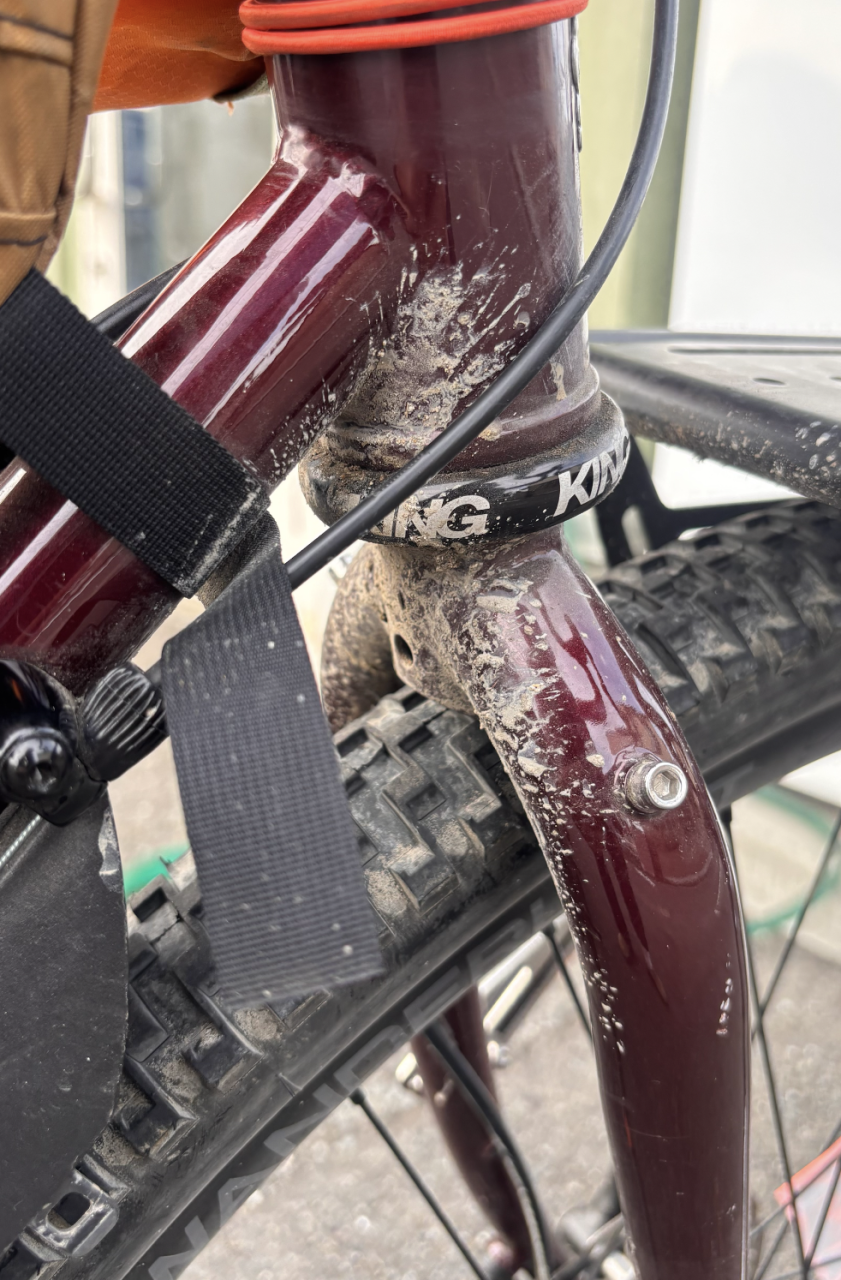
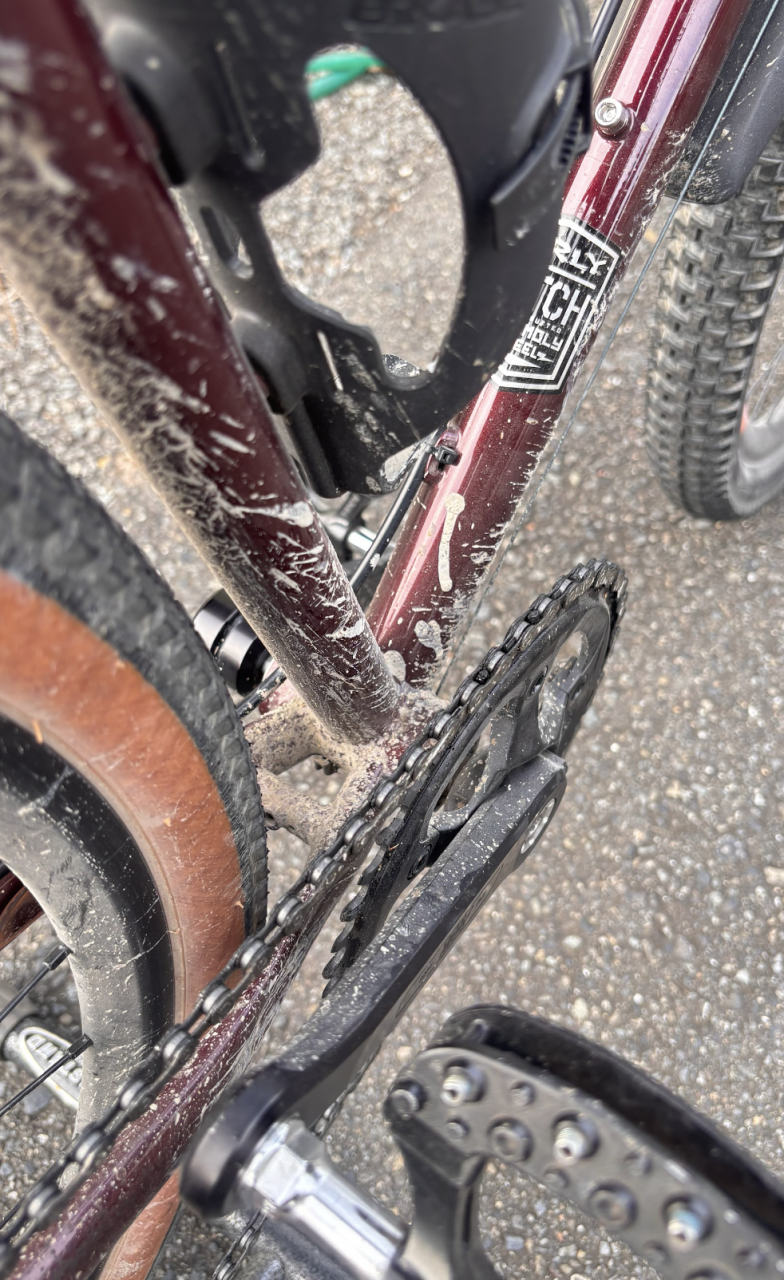
They mean the bicycle has actually been somewhere. I’m still learning this myself. My instinct is definitely still:
“OHHHH NOOOO.”
when something gets scratched.
But then you remember what you were doing when it happened.
And suddenly the scratch becomes part of the bike. I like that.
Build. Ride. Change. Repeat.
Working at Blue Lug has made me think about this a lot. We see some incredible bikes come through the shops.
But my favorites aren’t always the ones with the rarest parts or the most perfect builds.
A lot of the time, it’s the bikes where you can immediately understand something about the person riding them.
Maybe the setup is slightly weird.
Maybe something has been modified in a way you wouldn’t expect.
Maybe the bike started as one thing five years ago and has slowly become something completely different. That’s interesting to me. Because it means the bike is alive.
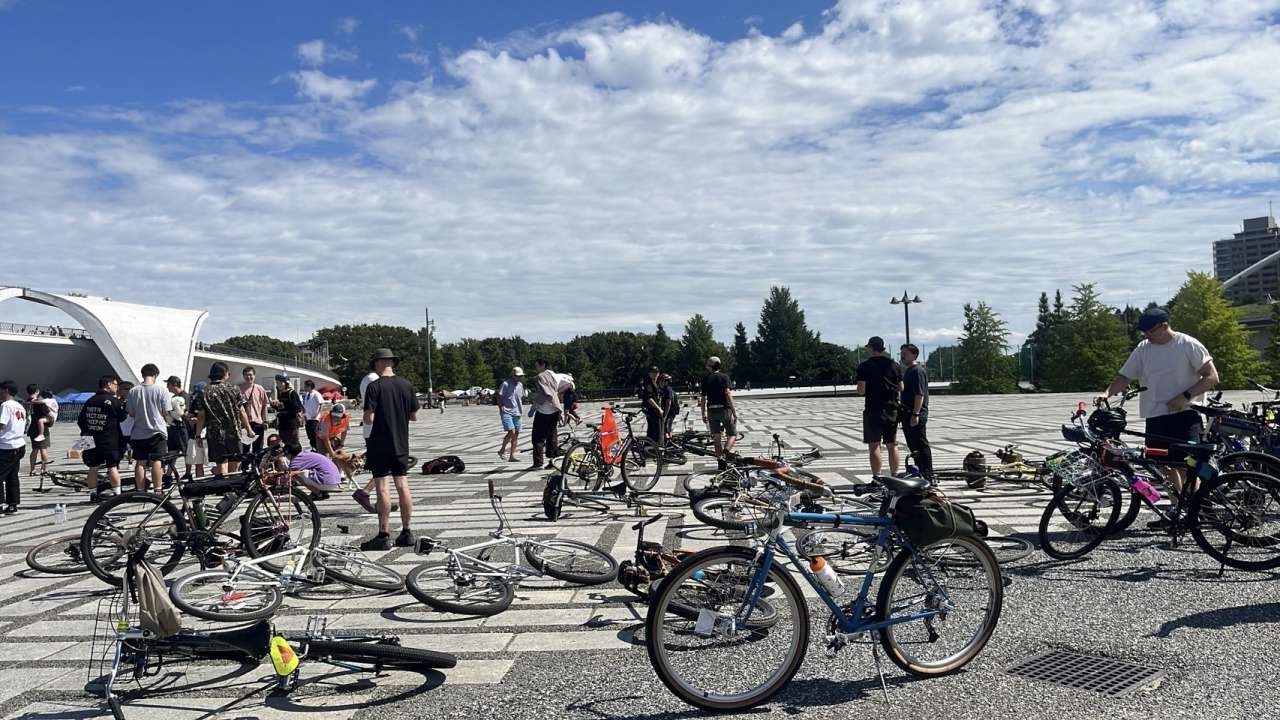
A bicycle doesn’t necessarily have to stay the way it was on the day you finished building it.
You ride it. Then you understand something. Then you change something.
Then you ride it again. Maybe you change it back.
Maybe five years later it doesn’t look anything like the bike you originally built.
That doesn’t mean the original build was wrong. It means you actually used it.
I’m Still Figuring Mine Out
Right now, I don’t really want to decide what my Midnight Special is. I know there are things it’s very good at.
I also know there are bikes much better suited to certain things. That’s fine.
I’m more interested in seeing how far I can stretch the relationship I have with this one.
Take it somewhere unexpected.
Load it differently.
Try another road.
Get a little lost.
Maybe discover something I want to change.
Maybe discover that something I was planning to change was actually fine.
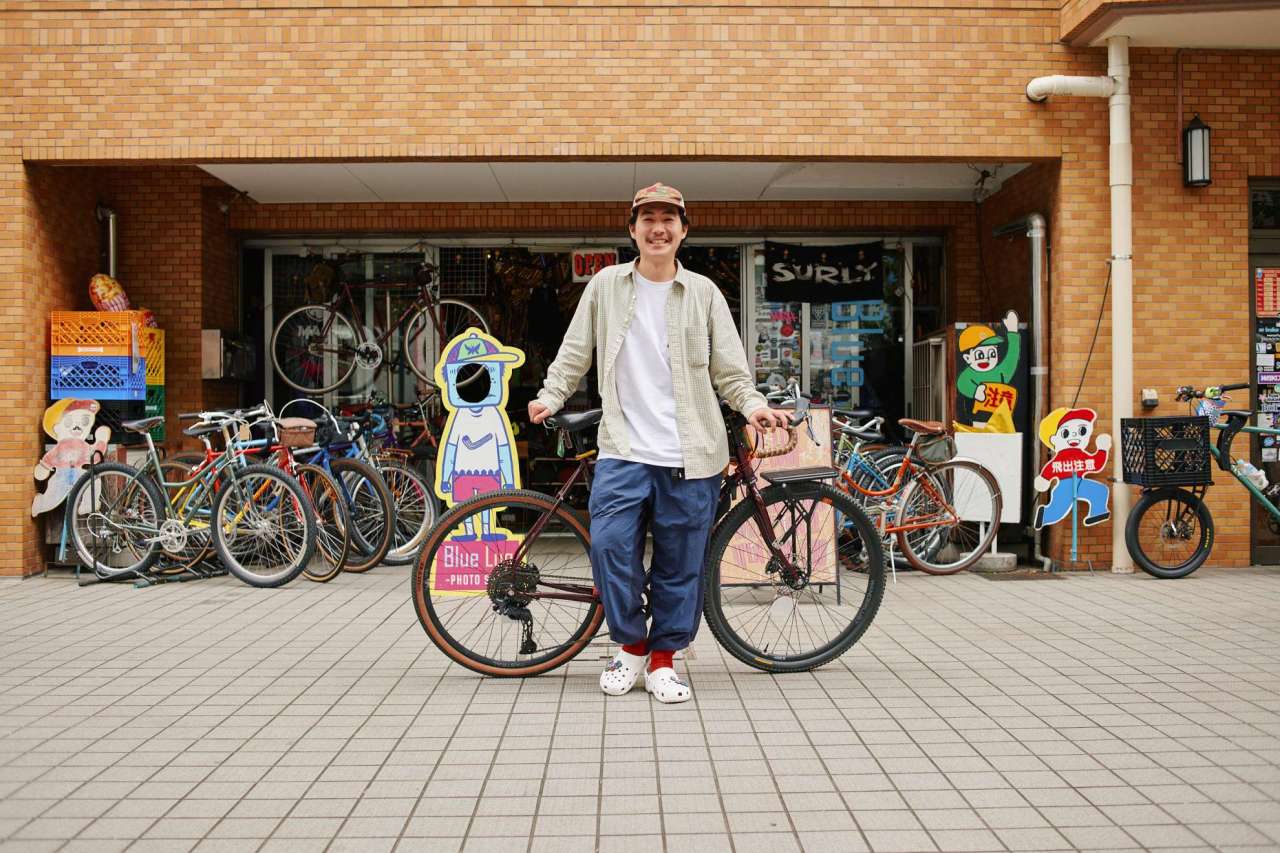
I want the bike to slowly become mine through experience, rather than trying to decide exactly what it should be from the beginning. And I think that’s something anyone can do.
You don’t need to go bikepacking.
You don’t need mountains.
You definitely don’t need to buy another bike.
Take the bike you already have and do something slightly different with it.
Turn down a road you usually pass.
Ride somewhere you’d normally take the train.
Put some food in a bag and spend the afternoon outside.
Take the long way home.
Find some dirt.
Maybe don’t find any dirt at all.
The point isn’t to prove what your bike can do.
It’s to give yourself and your bike another chance to play.
Because sometimes the best way to understand a bicycle isn’t to read more about it.
It’s to stop thinking so much…
and ride the thing.
Kasper
Your Friendly Host