My Private Surly Research. Torsion Bar
Y’all had a chance to read this post yet?
The excitement has been slowly sinking in. If anything, I’ve been feeling it even more since returning from Minneapolis.
And the more I think about it, the more grateful I feel toward SURLY for putting so much into making this special frame happen.
Here’s a quick reminder of the release schedule.
== SURLY × BLUE LUG 20th Steamroller ==
In-store release: November 2nd (Mon) 12PM
Online release: November 8th (Sun) 7 PM JST
And then, out of nowhere, another baton was dropped into my hands.
It was stiff and lightweight. But somehow, it felt pretty heavy.
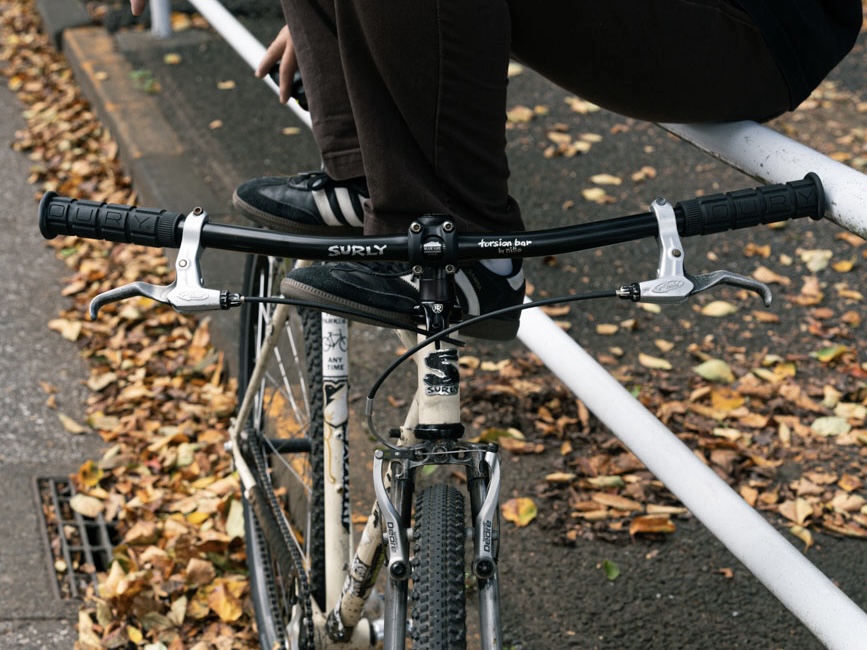
While things were quietly moving forward behind the scenes with the FRANK & BEAN-colored STEAMROLLER, another company was hard at work in Kawaguchi, Saitama, Japan, bringing a certain handlebar back to life.
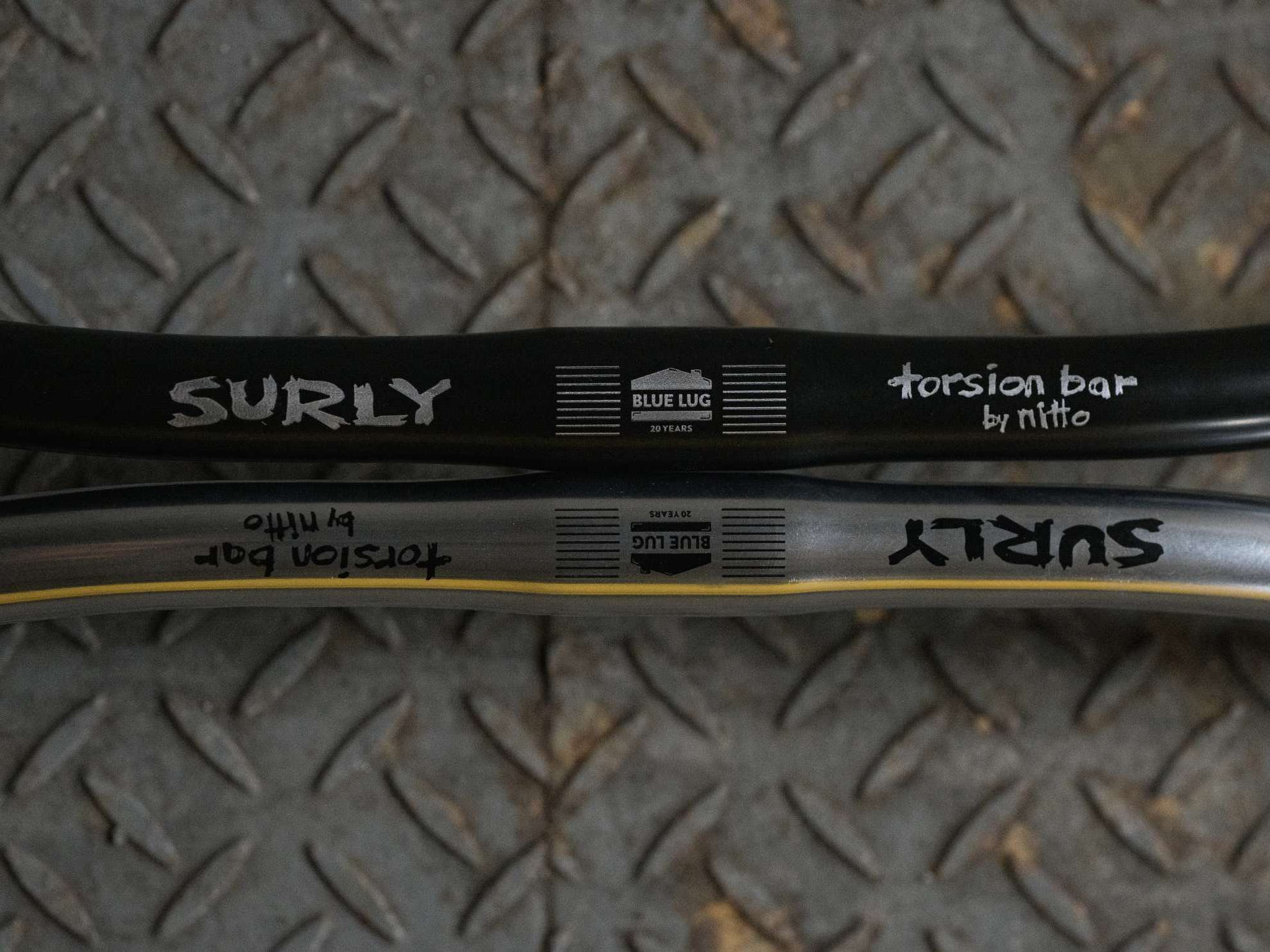
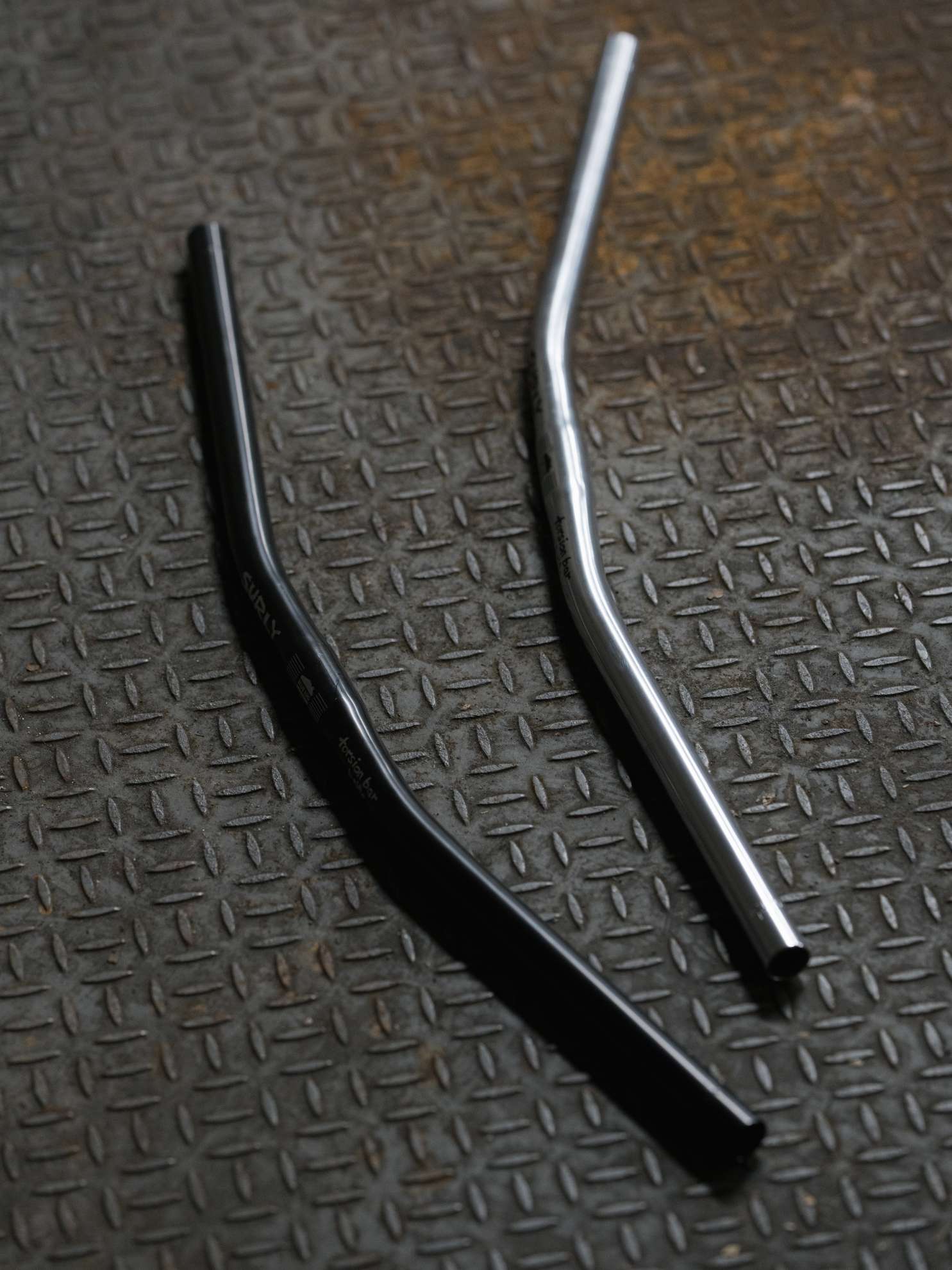
SURLY Torsion handle bar
Yep. THAT handlebar is coming back.
The legendary TORSION BAR.
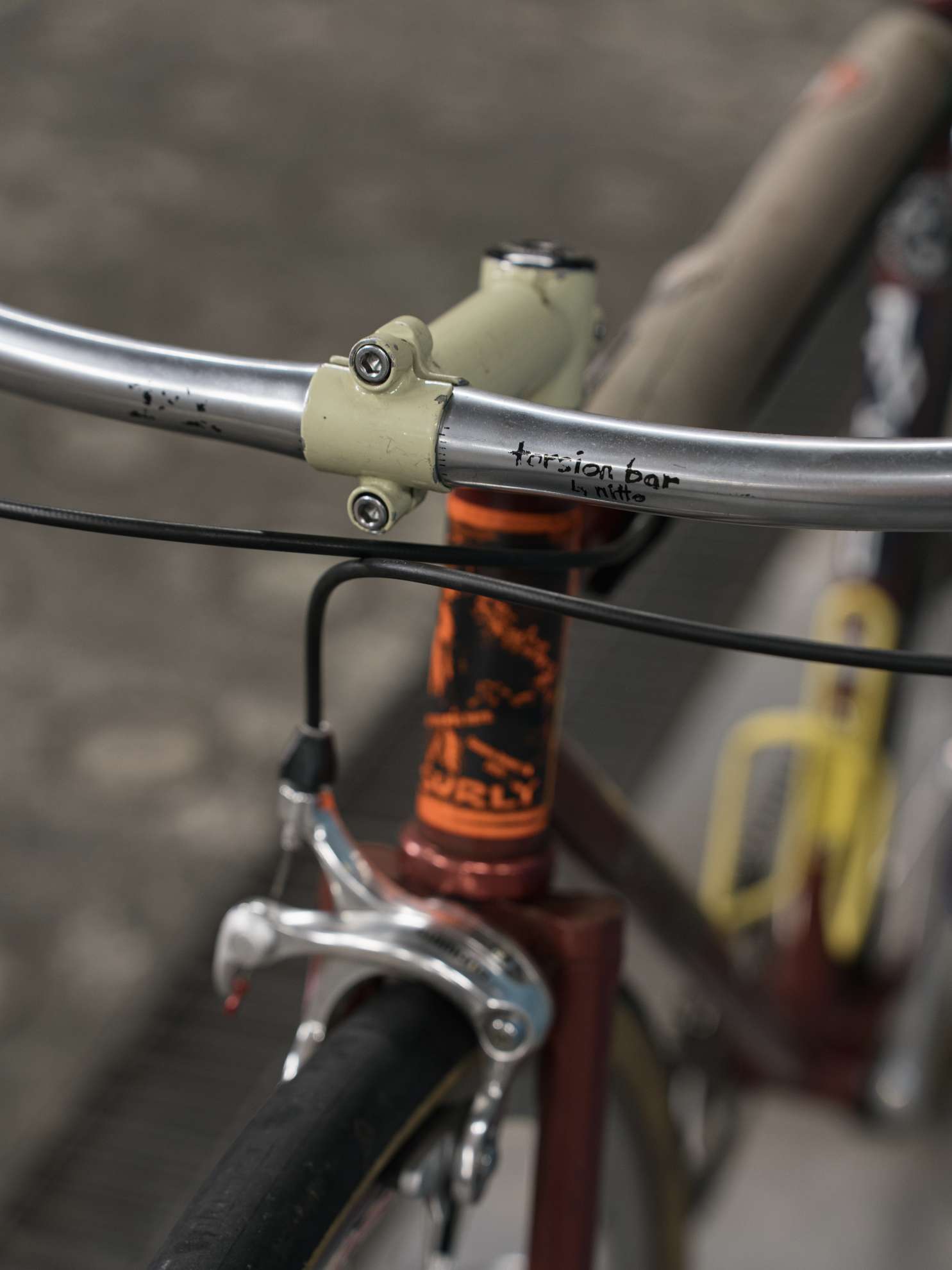
If I remember correctly, both we and the folks at NITTO started talking about bringing it back around the same time.
I still remember when Kato-san unexpectedly showed up with an original Torsion Bar. We ended up getting pretty excited over that one handlebar. Ah, good times.
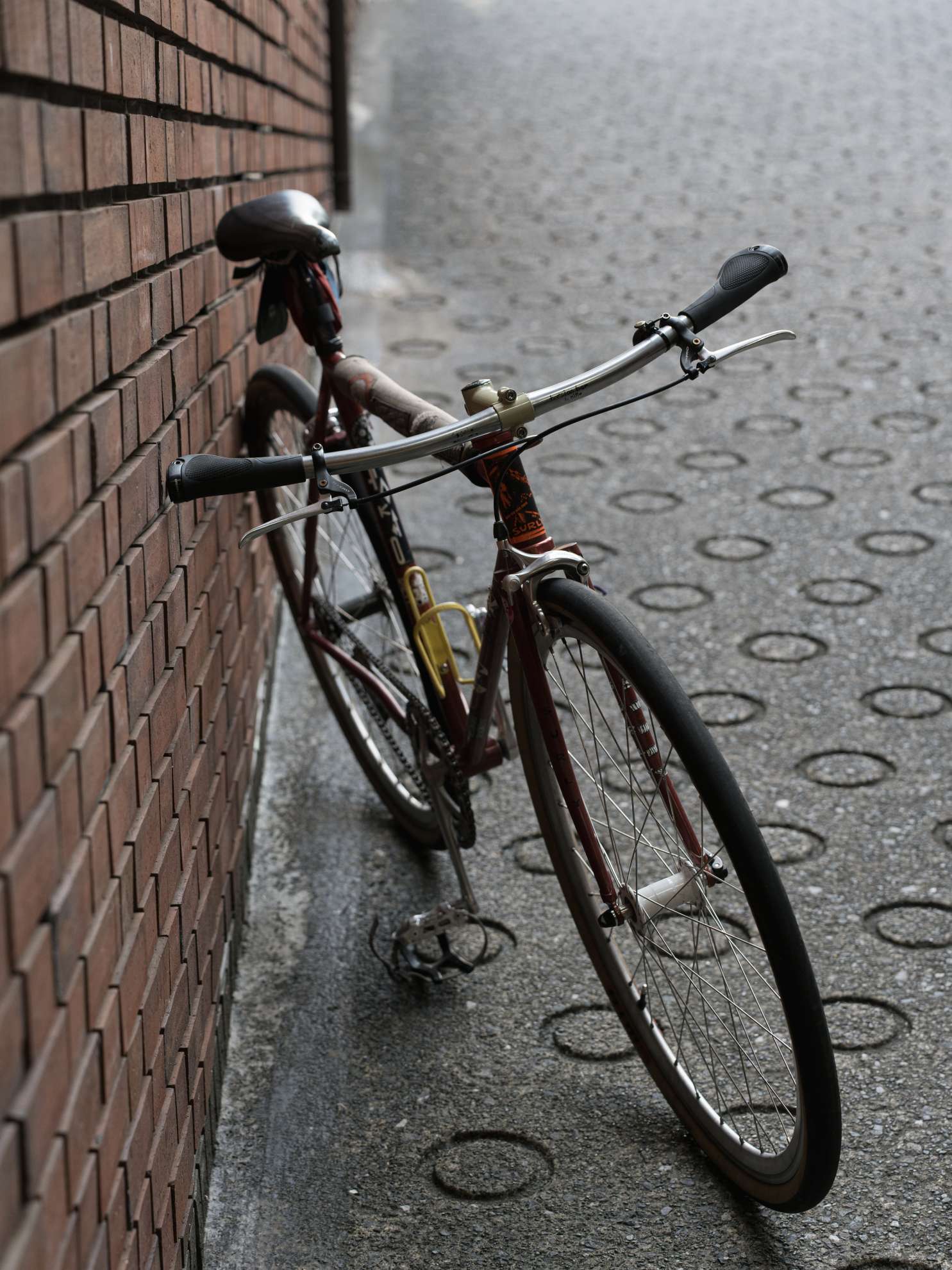
Why does such a simple, almost ordinary-looking handlebar fascinate us so much? I’d never really thought too deeply about it.
The first time I encountered one, the day I was reunited with one, and every time in between, it just felt right. The shape, the comfort, the way it naturally fits your hands. It was always exactly what I wanted from a handlebar.
So, with this revival happening, I figured it’d be a good opportunity for all of us to dig a little deeper into its history.
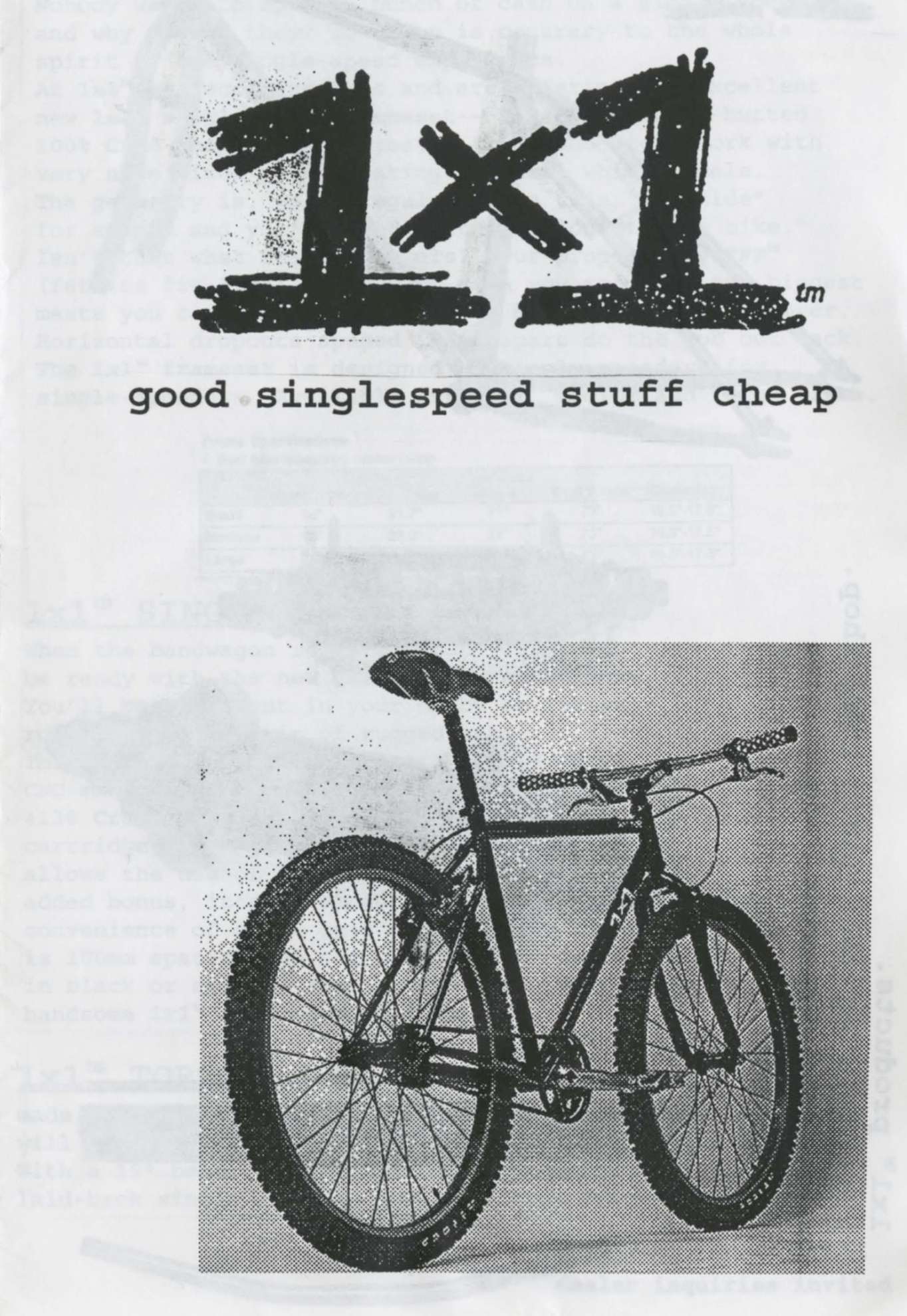
SURLY’s story began in Minneapolis in 1998.
The 1×1 appeared almost as a counterculture response to the mountain bike and sporting bicycle scene of the late ’90s.
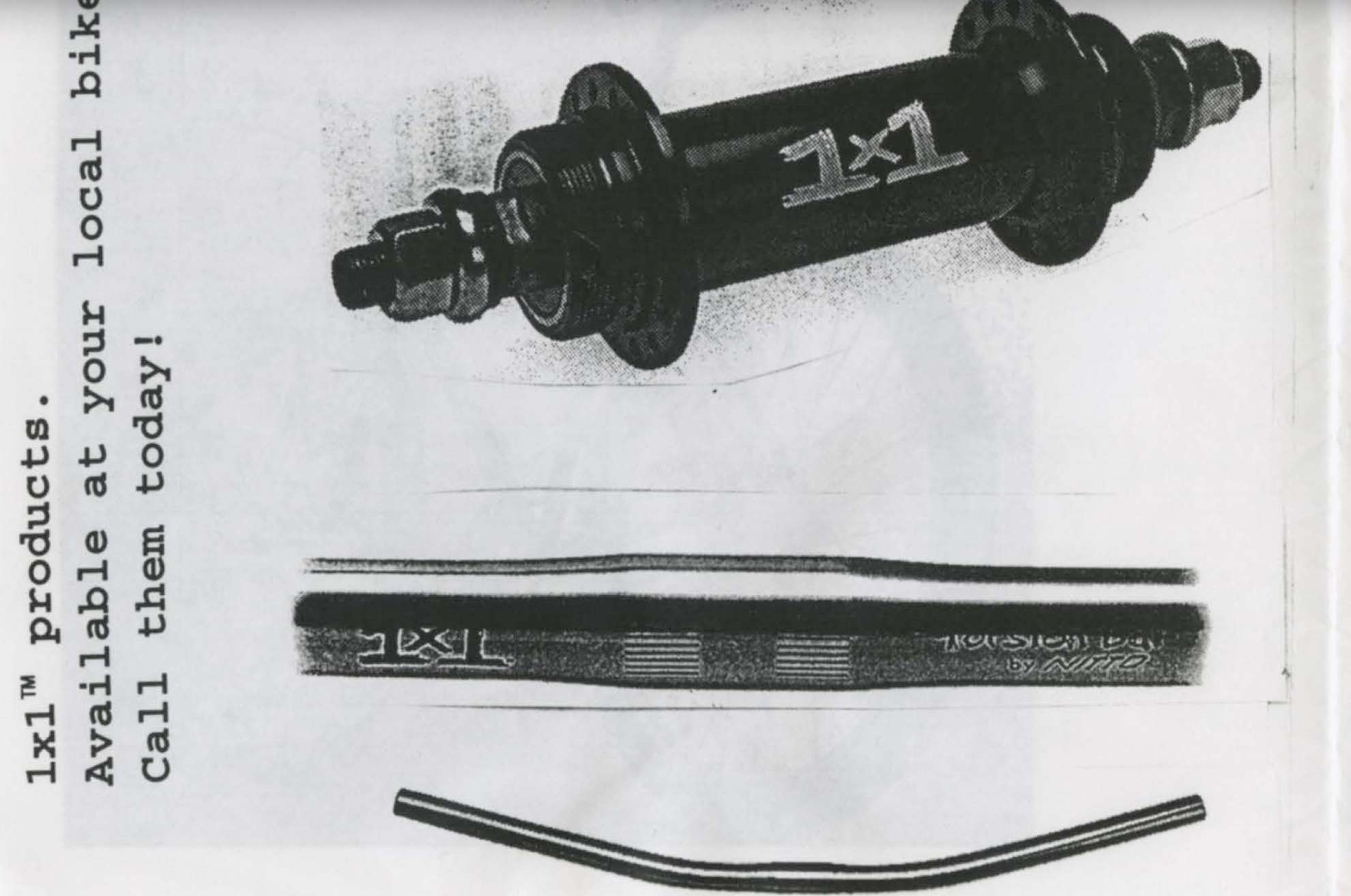
And alongside it came a whole range of components. One of them was this handlebar.
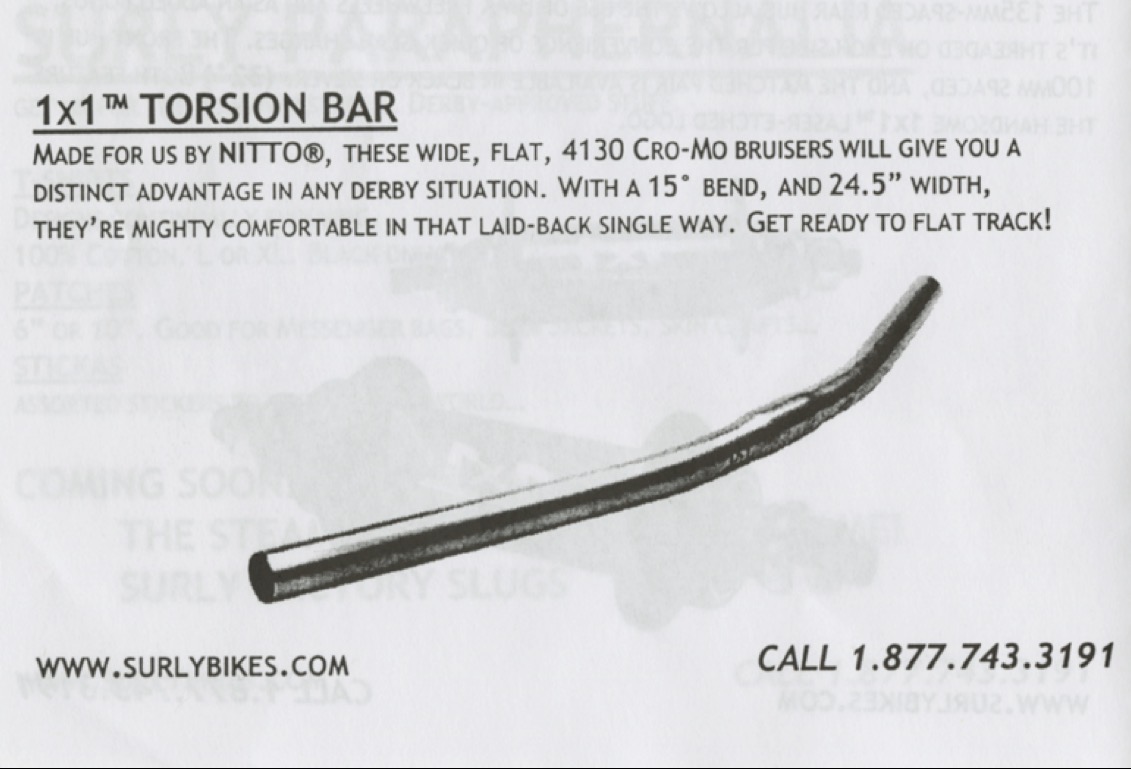
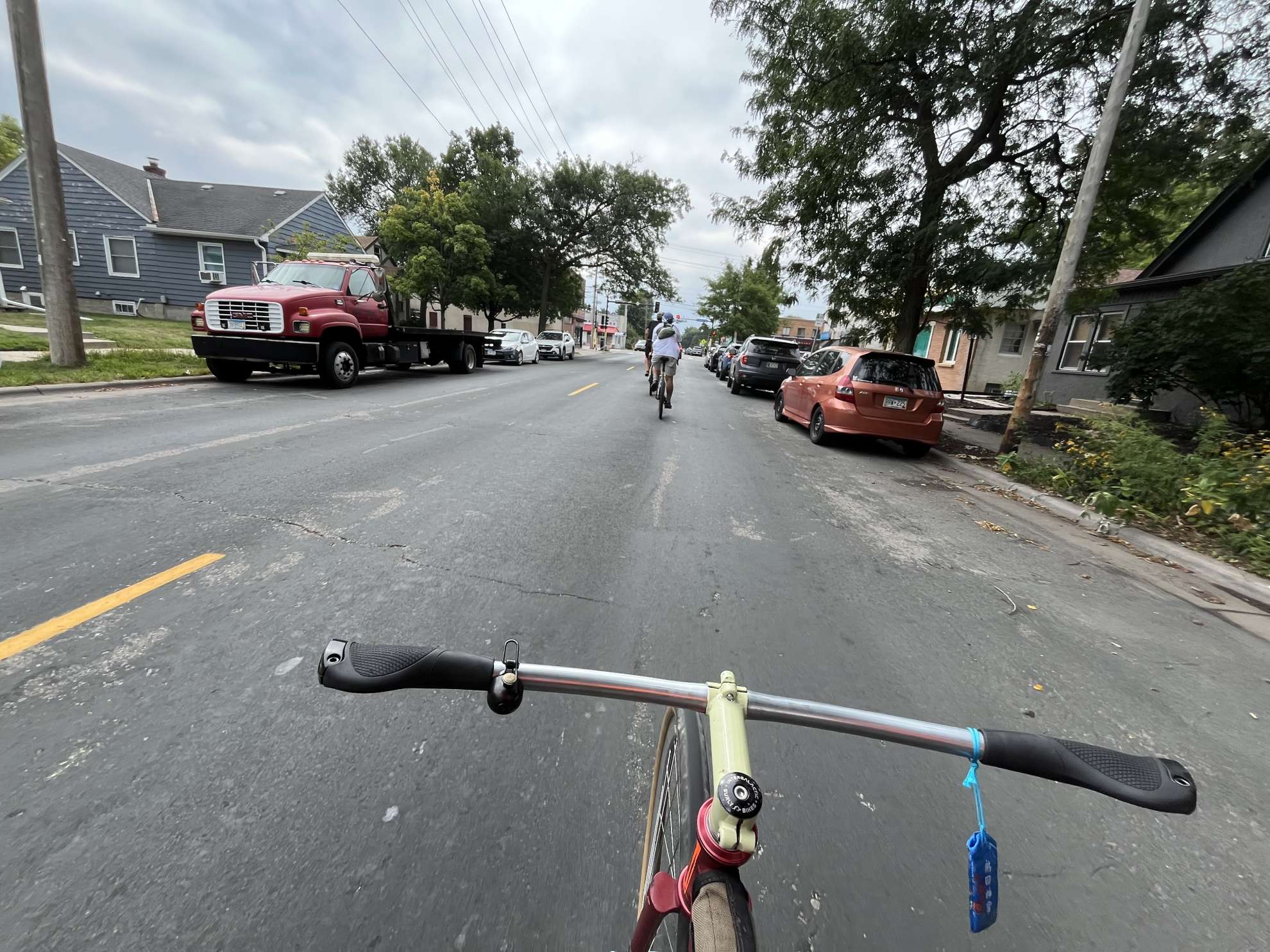
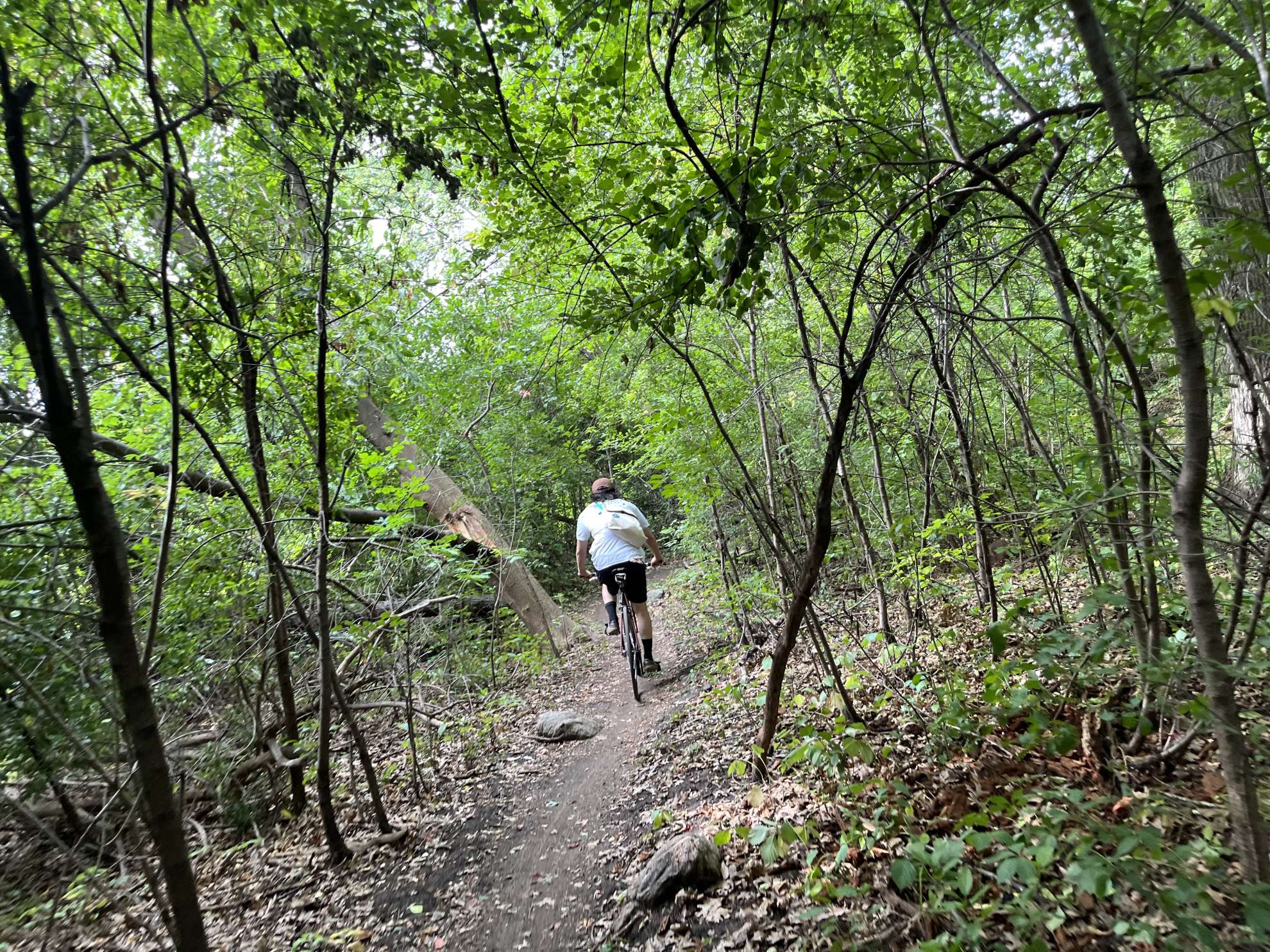
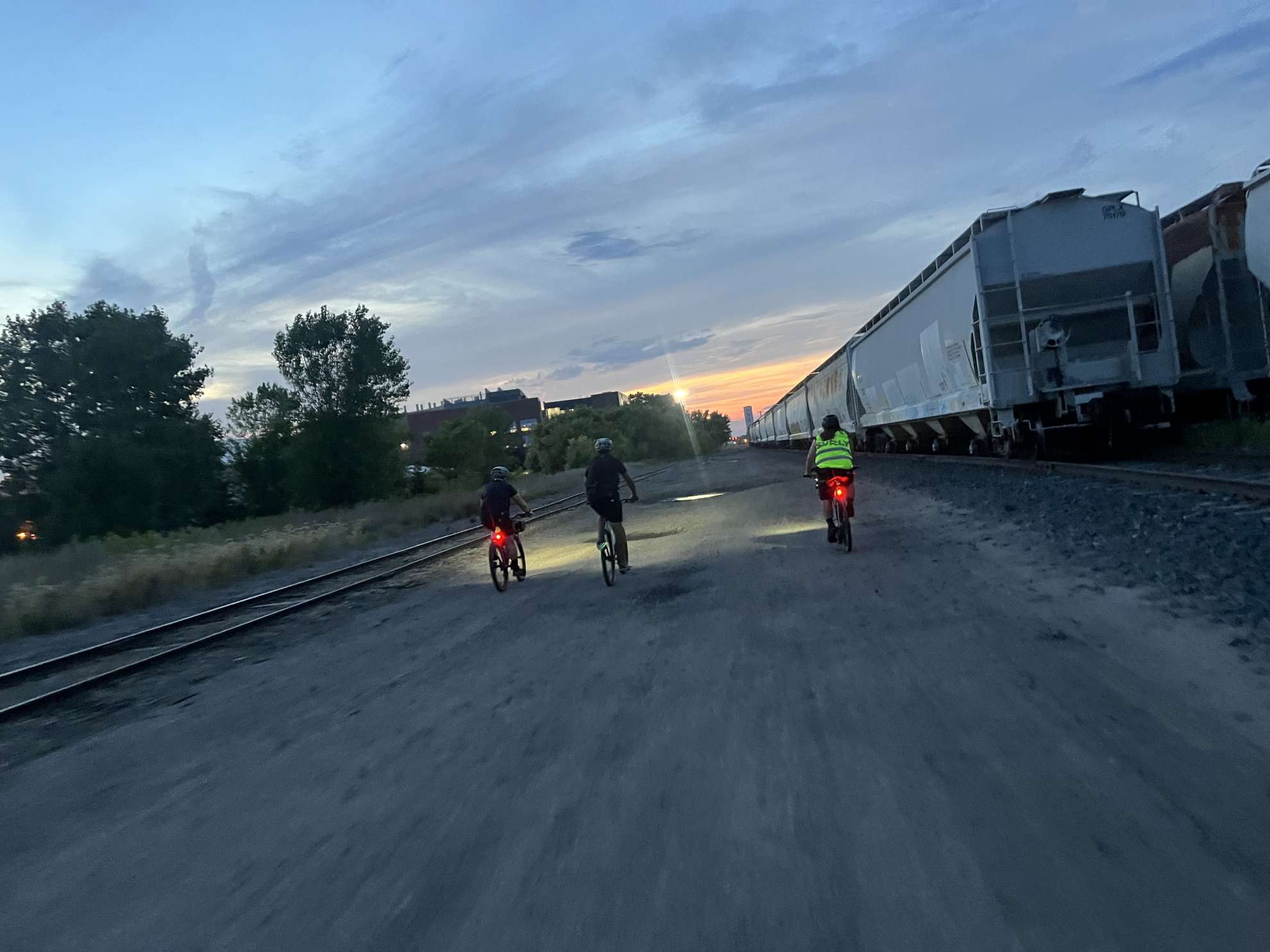
Reading through that old product description again brought back memories of all the trails and roads the SURLY crew showed us during our recent visit.
Everyone lives and plays in different places.
The roads we ride in our daily lives and the trails we explore for fun are just as varied.
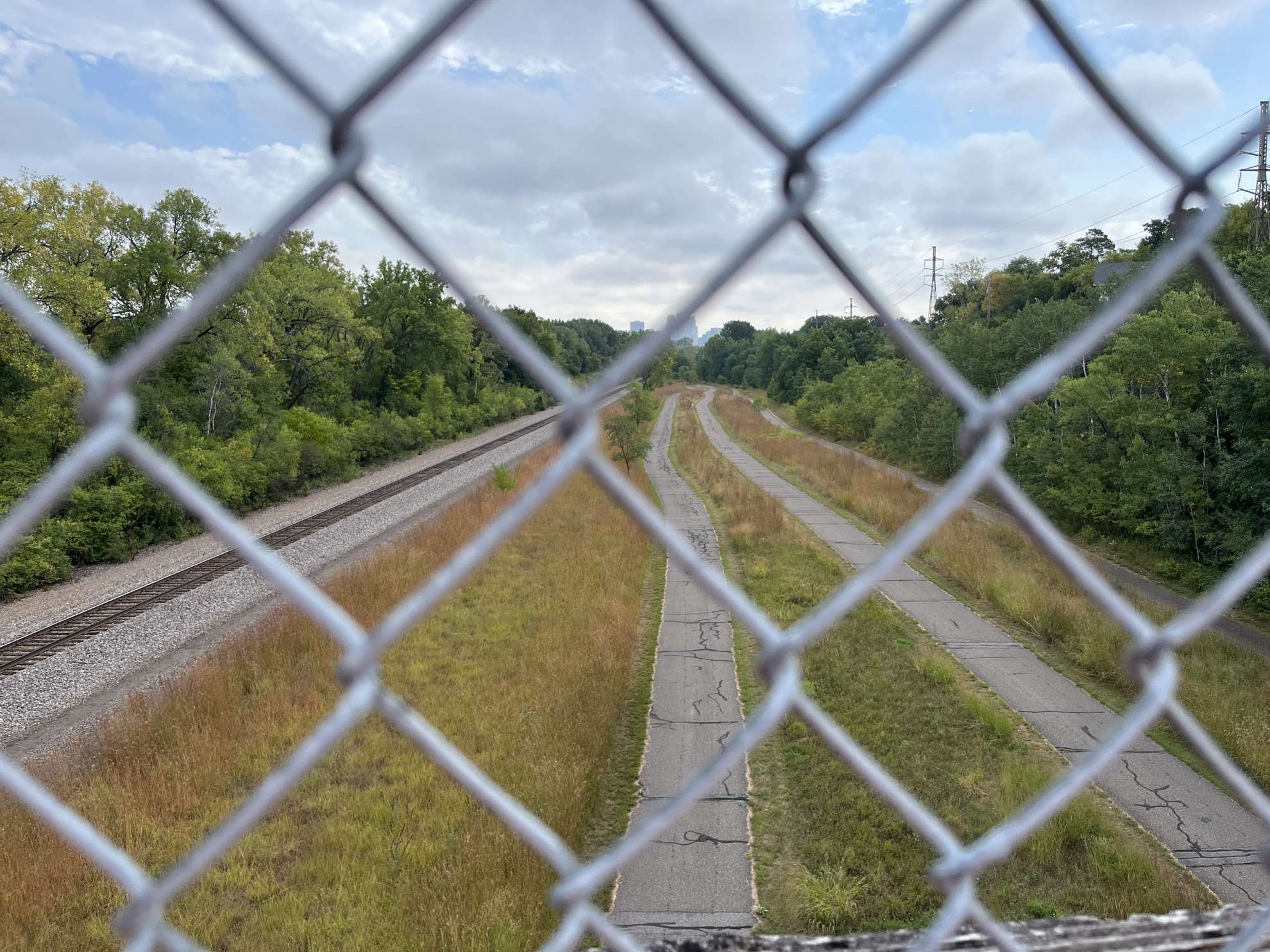
Relatively flat terrain. Towns connected by abandoned railroad lines. Beautiful stretches of nature in between.
Maybe this handlebar was born specifically for the kind of mountain biking people enjoyed in that environment.
Let’s look back at the era from that perspective.
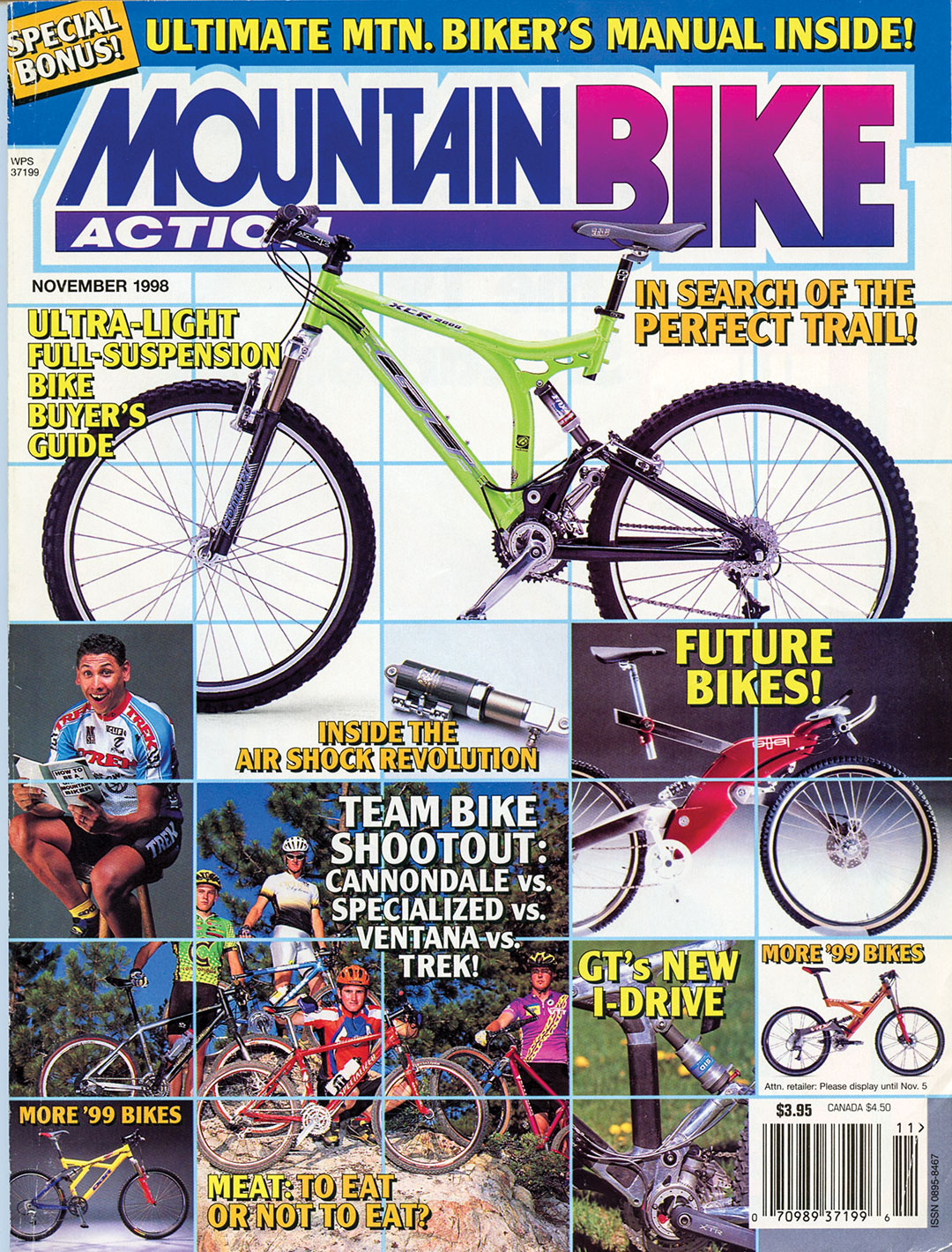
This was what mountain biking in America looked like in 1998.
I’m sure plenty of people were fascinated by all the technological advancements happening at the time.
I was ten years old back then.
I remember catching glimpses of mountain biking on TV and seeing full-suspension bikes in magazines, dreaming about the day I’d be old enough to ride something like that myself.
(I just remembered begging my grandparents to buy me a yellow GIANT mountain bike when I was about to start junior high school…)
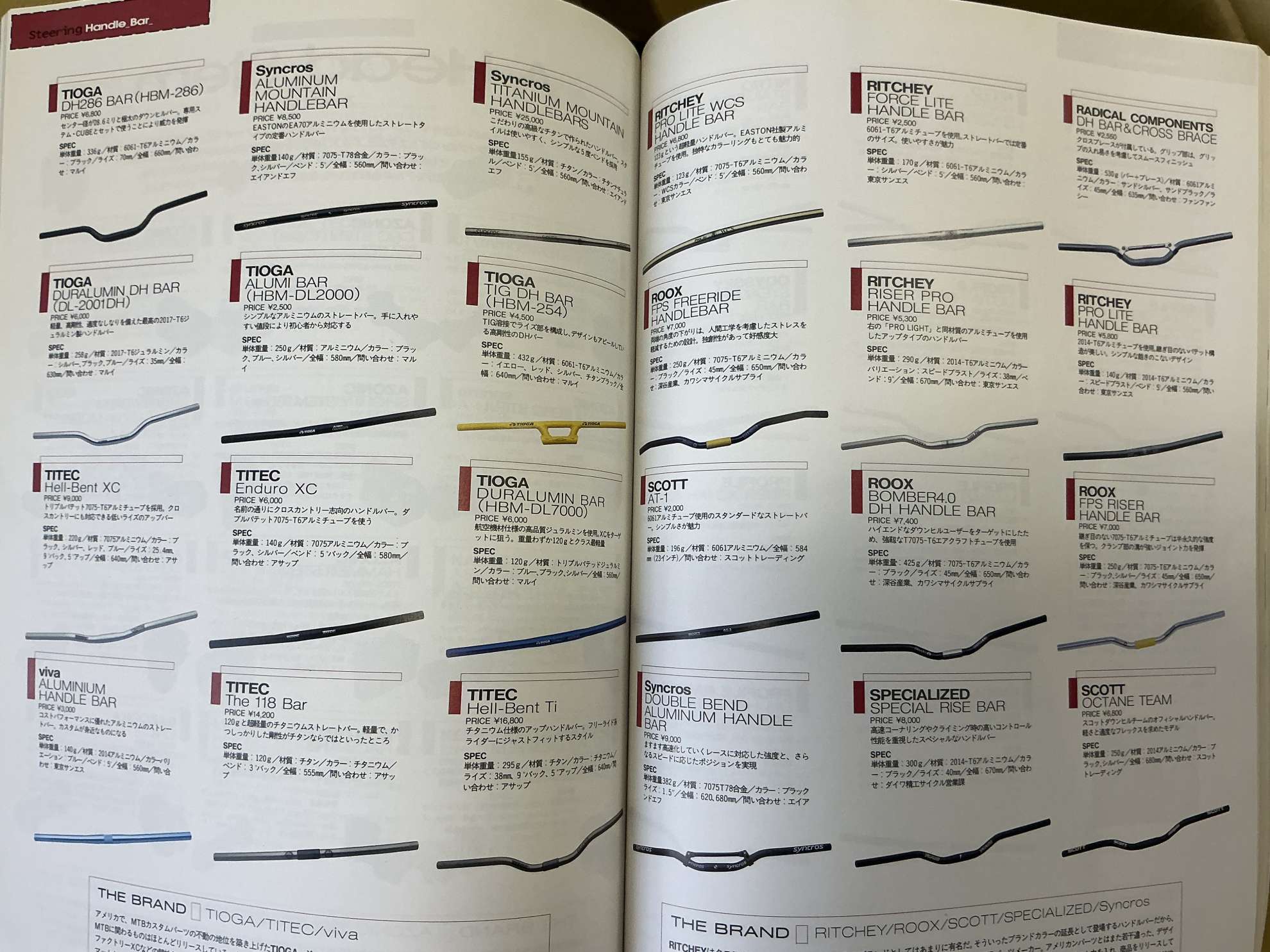
Back then, handlebars were generally short, cut down, and designed to save as much weight as possible. Cross-country riders often used narrow flat bars with bar ends.
Meanwhile, downhill bikes were evolving rapidly, and riser bars were beginning to take over.
Looking through old catalogs, you can really see how handlebars were being treated primarily as performance-oriented sporting equipment.
There’s a section on SURLY’s website called “Spews.”
It’s a place where they share their thoughts, observations, and occasional rants about the things they make.
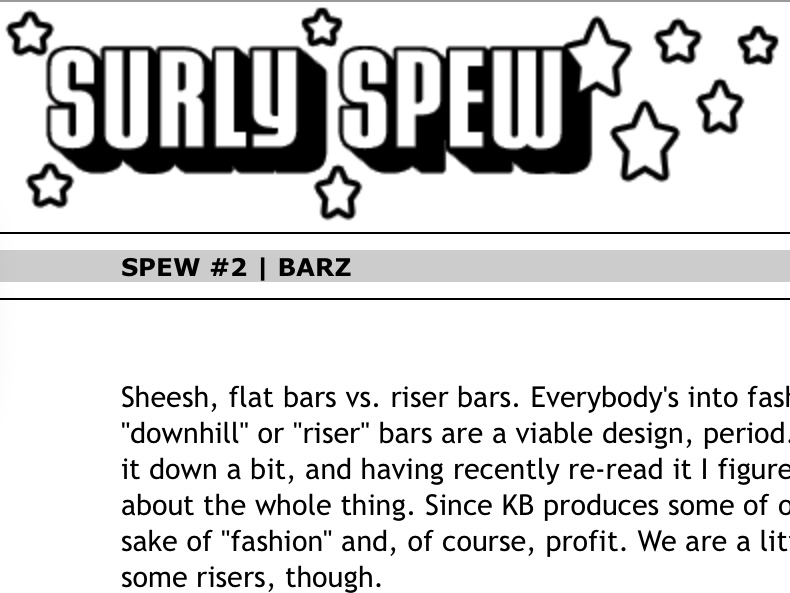
Among those old posts was one titled “BARZ.”
(I won’t link it. Go dig it up yourself.)
It contains a whole bunch of thoughts about handlebars at the time.
“Riser bars are great.”
“But maybe we shouldn’t forget the subtle adjustments and just-right feeling that flat bars can offer.”
“Sometimes riser bars are too expensive, too high, too strong, or too wide.”
“They might be the fashionable choice right now, but do they actually suit the way YOU ride?”
That’s roughly the message, delivered in SURLY’s wonderfully roundabout way.
And I don’t think they were trying to put down riser bars at all.
Quite the opposite.
There’s a genuine appreciation for both types of handlebars and the cultures surrounding them.
That willingness to understand different perspectives, while questioning things at the same time, is something I’ve felt from every SURLY employee I’ve met.
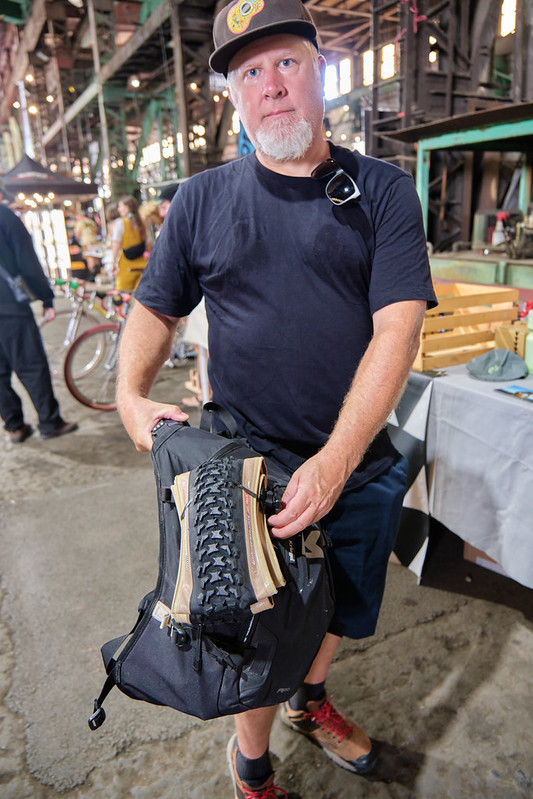
WAKEMAN, who is one of the OG members of Surly, was kind enough to share some stories after I reached out and asked him about those days.
WAKEMAN’s story
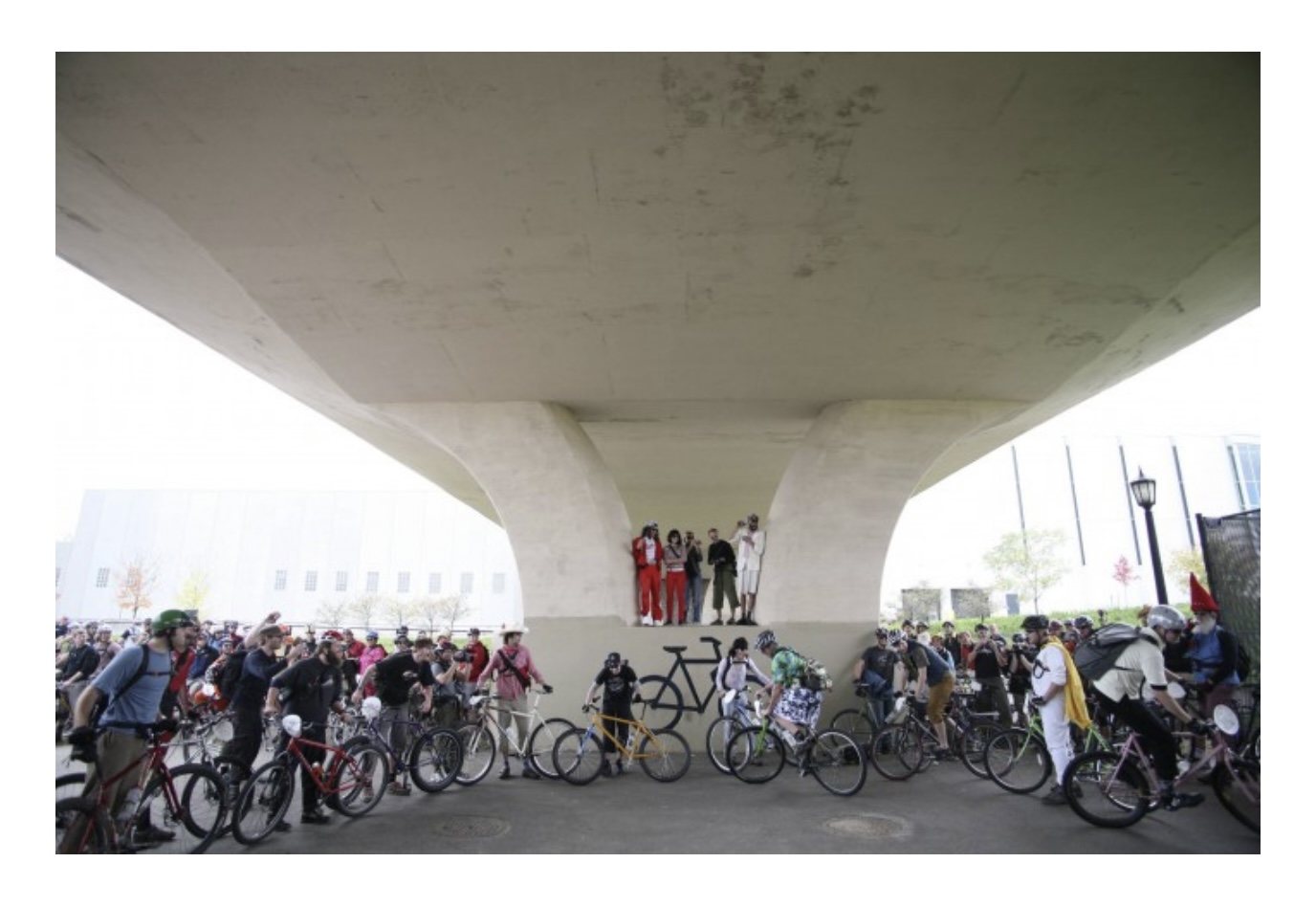
Minneapolis’s underground bicycle culture was really thriving around 1998.
There were all kinds of characters. Mountain bikers, messengers, commuters, BMX riders…
A whole crew of energetic weirdos riding bikes that were a little out of the ordinary.
Every Wednesday night, we’d get together for a ride.
We’d just show up, decide where to go on the spot, and ride around like absolute maniacs.
It didn’t matter what season it was.
Railroad tracks, pavement, trails, swamps. We’d ride through anything.
We got up to all kinds of stupid stuff in places our moms probably wouldn’t have wanted to know about.
We took having fun pretty seriously.
Looking back, we were young and pretty wild.
But somehow, we were still responsible enough to show up for work on Thursday morning.
All those experiences and all that messing around became an endless source of ideas.
And that’s really where SURLY BIKES came from.
Before the name SURLY even existed, we were making singlespeed components under the name “1×1.”
Top-notch quality. Strong. Affordable.
We wanted to make things that offered real value and, above all, helped people have fun in as many ways as possible.
We were looking at things a little differently from the trendy components of the time.
We wanted to make good stuff for bikes you could just get out and have fun on without worrying too much.
And there was one particularly ridiculous activity that played a huge part in inspiring one of our ideas.
DERBY.
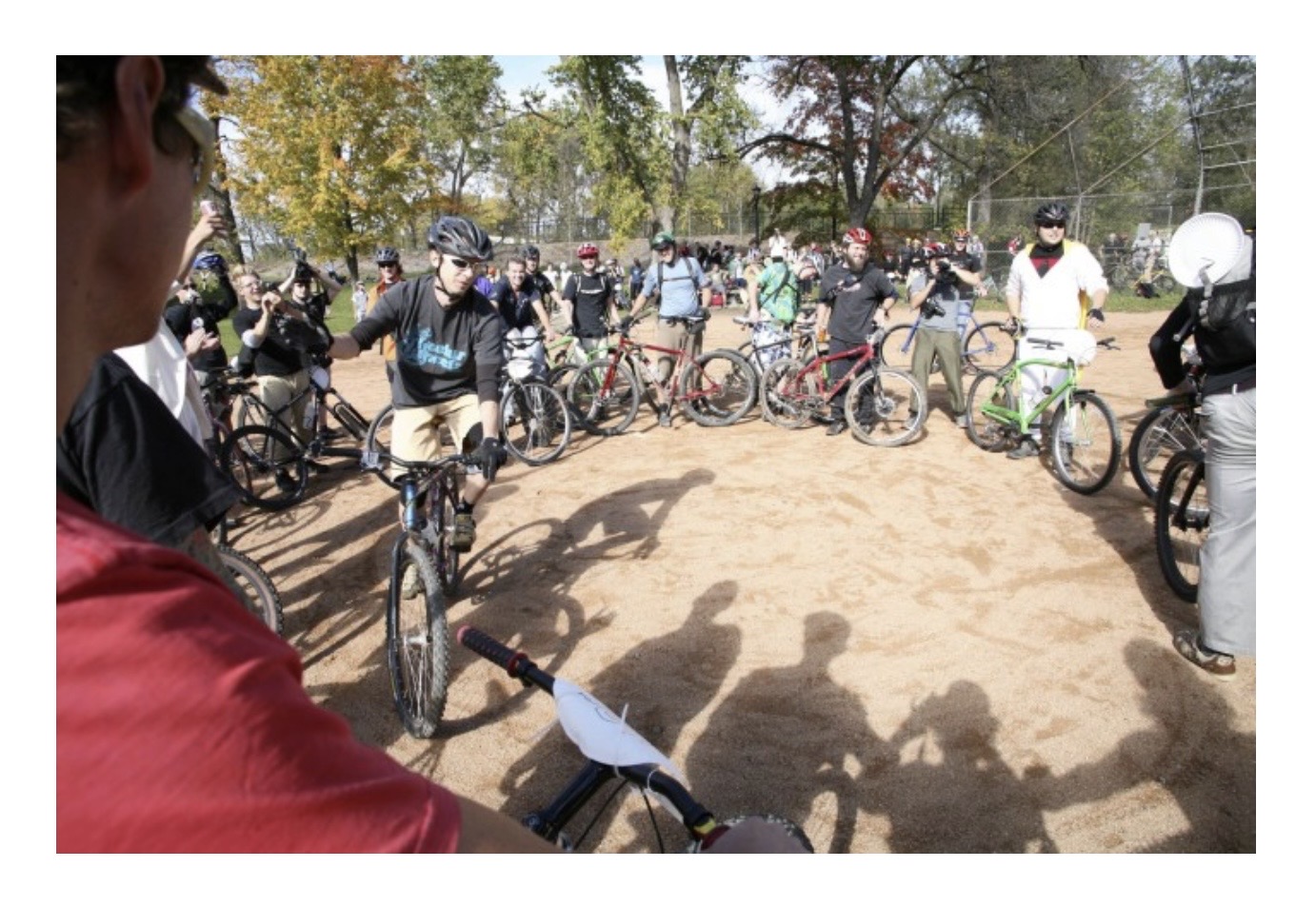
We’d all get on our bikes and form a small circle while riding.
Kind of like a tiny oval race.
A bunch of people would ride around and around, and whoever managed to stay on their bike the longest was the winner.
Bodies and bikes were constantly smashing into each other.
Helmets, handlebars, frames. Everything got scratched up.
Some days it got pretty violent. Other days it was just messing around.
But either way, we were completely obsessed with derby.
And the handlebars available back then?
Man, almost none of them were built to survive that kind of abuse.
They were narrow, paper-thin in the name of weight savings, and had barely enough sweep to keep your wrists happy.
Maybe they were great for going fast, but they were absolutely useless for the way we rode.
Those bars might have satisfied the sport-oriented MTB crowd, but they just didn’t work for us.
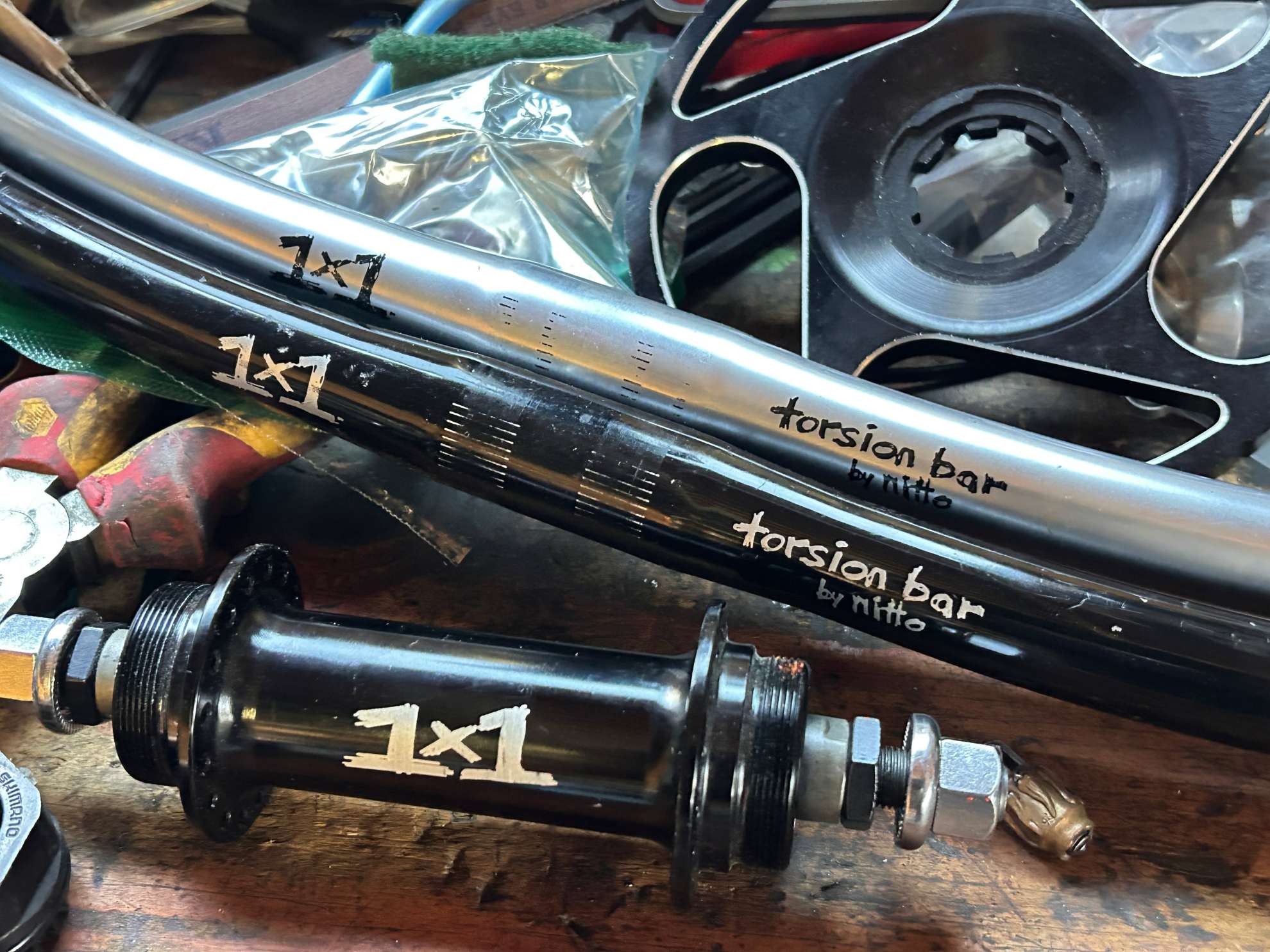
We wanted a generous sweep that felt great for everyday riding.
And we wanted the strength and width to get rowdy and come out on top when we were riding hard.
Something we wouldn’t have to worry about breaking.
And that’s how the Torsion Bar was born.
It was probably a pretty weird handlebar for its time. Long, lots of sweep, made from steel in Japan.
I honestly don’t remember it being some massive bestseller.
But there were definitely people who thought, “Holy shit, this is the best handlebar ever.” Some of them bought several.
There were people who were almost obsessively in love with this thing.
I’m incredibly grateful to NITTO. They kept making it for something like 15 years after its release.
And seeing original TORSION BARS still being ridden today, or being passed down from one rider to another, makes me genuinely happy.
Because it proves that the bar worked perfectly for certain people, and that it was built to last.
It reminds me that asking NITTO to make them was absolutely the right decision.
Those guys are the best.
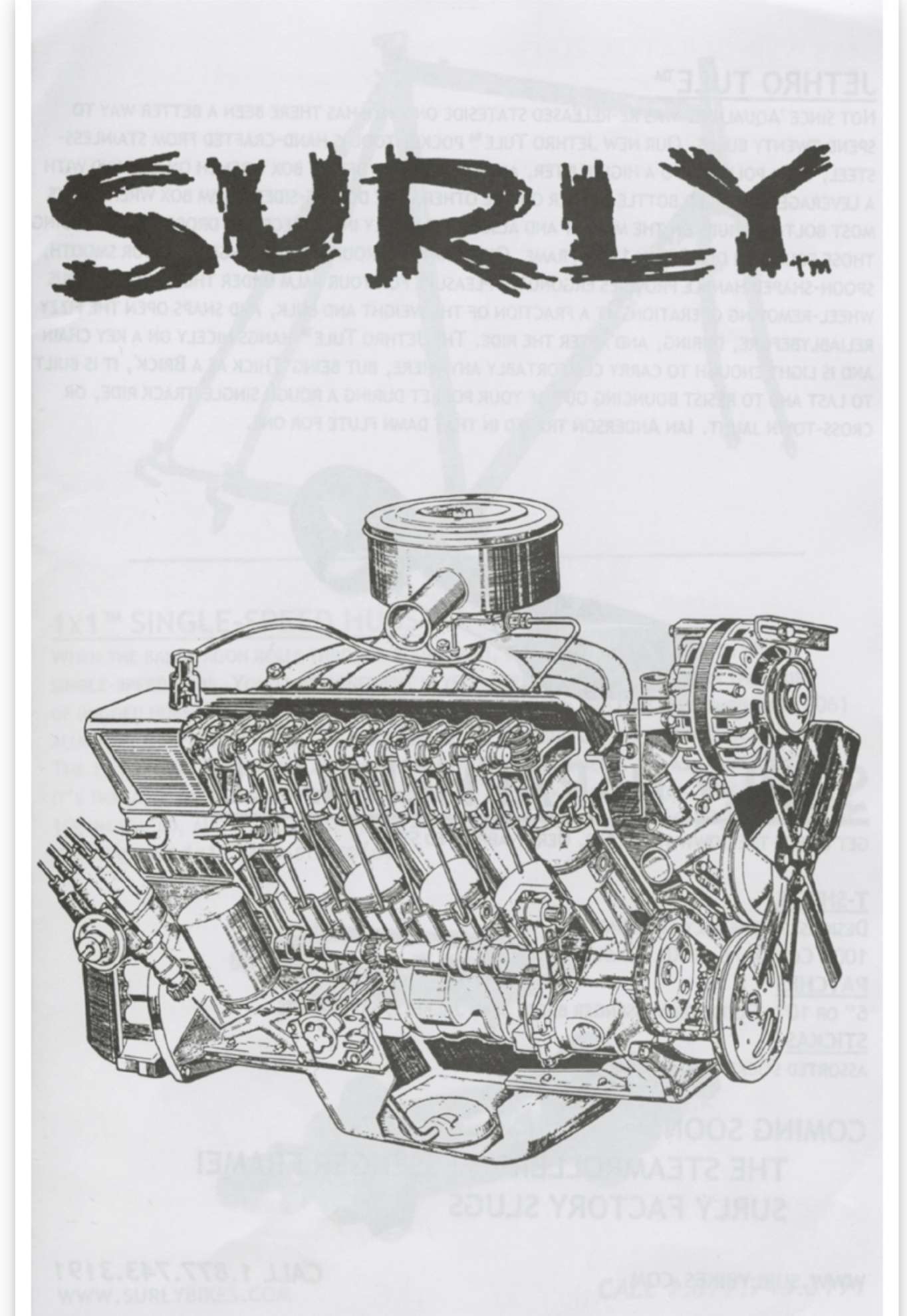
P.S. Are you into vintage muscle cars?
We actually borrowed the TORSION BAR name from an old suspension component made by MOPAR…
Reading all that almost made me feel like I’d traveled back to Minneapolis in 1998.
But strangely enough, it didn’t feel nostalgic. Because everything Wakeman described is still reflected in the philosophy of the SURLY crew I met during this trip.
They’ve been thinking this way since the very beginning.
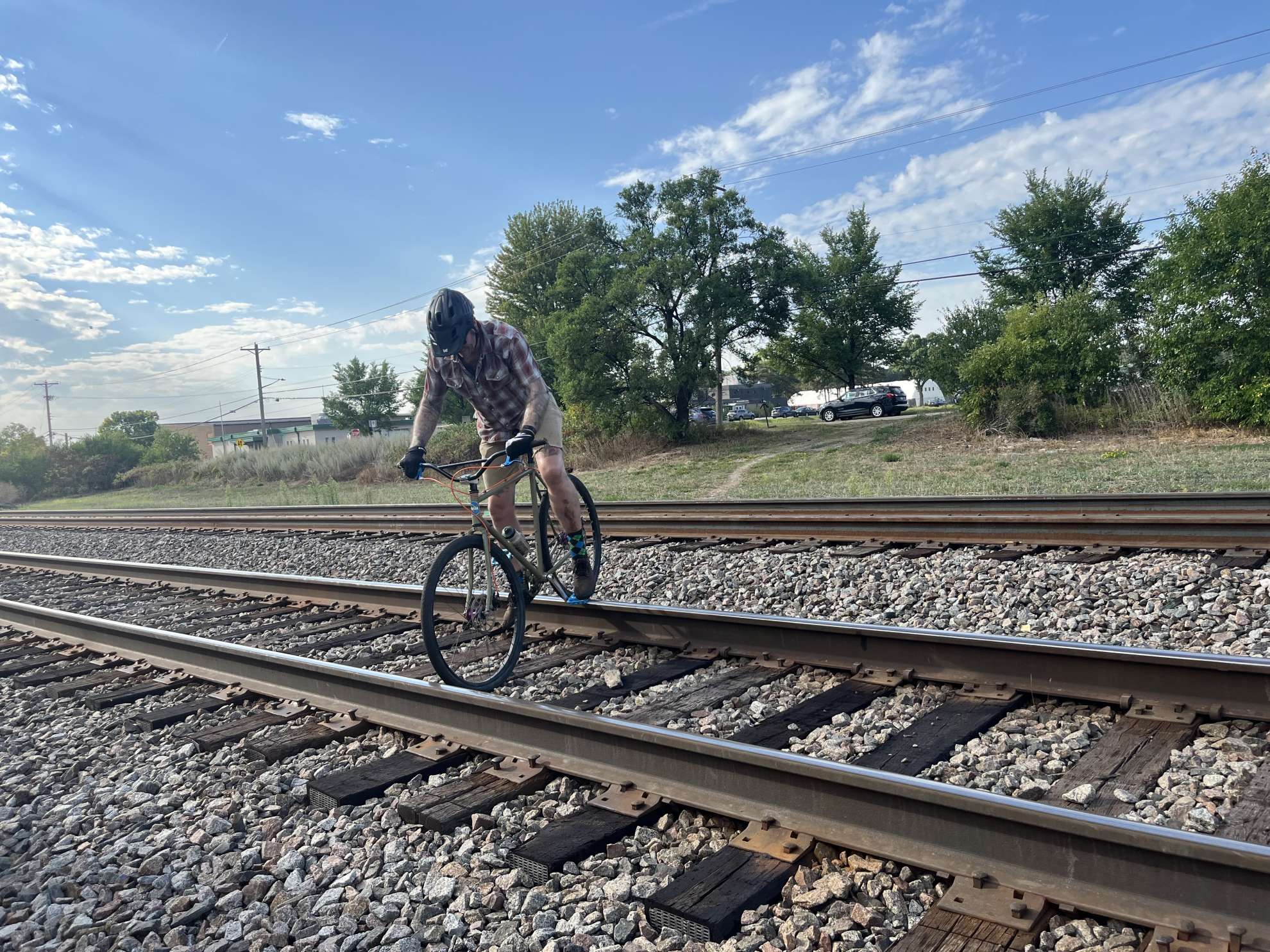
Drawing inspiration from the way people actually ride and have fun in their hometown.
Taking a step back and looking at contemporary bicycle culture.
Mixing things together, breaking them apart, connecting ideas, and thinking them through until something new takes shape.
That’s what SURLY is all about.
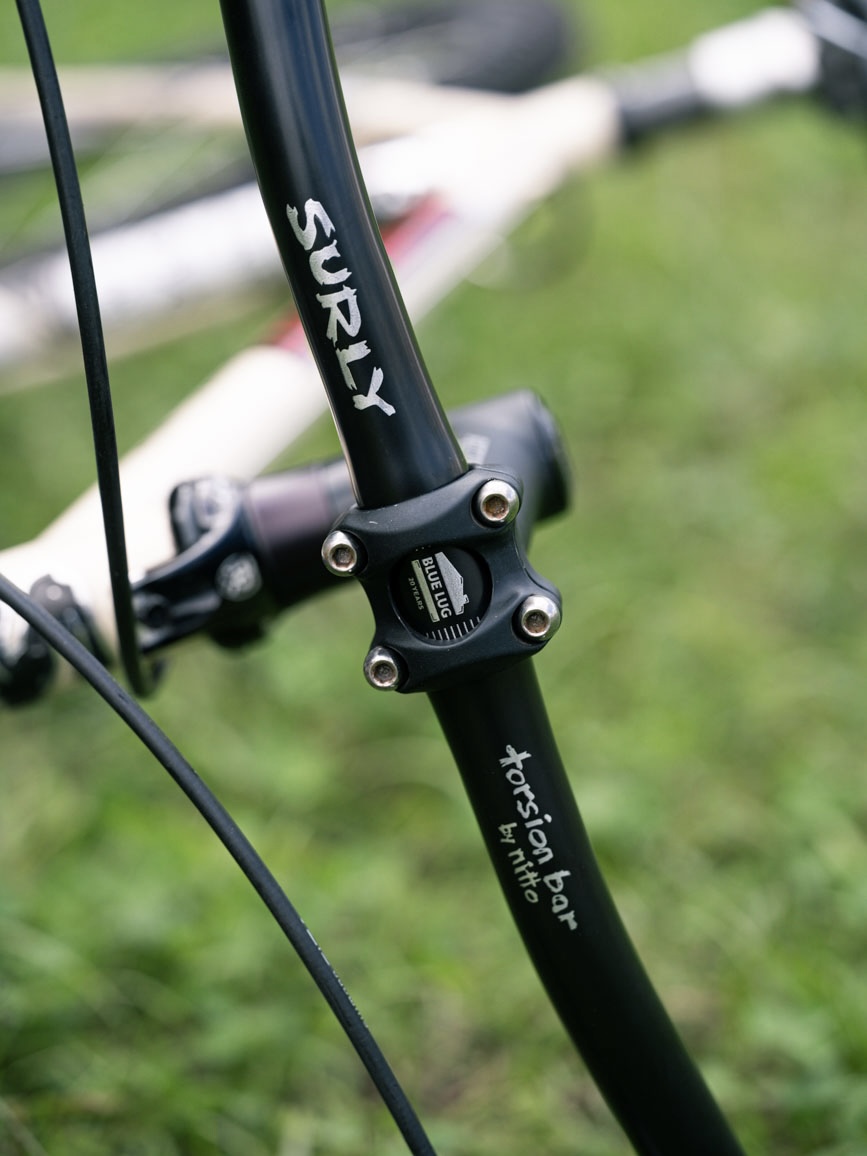
By the way, I also heard that NITTO’s president actually visited Minneapolis when they were developing this handlebar.
He got to ride the 1×1.
Apparently, SURLY told him they were going to ride the hell out of these bars, so they wanted them chrome-plated and built as tough as possible.
A very SURLY kind of request.
I also heard that some bike shops were absolutely obsessed with the handlebar because its logo looked so unlike anything NITTO would normally put on a product.
All these stories really show that the Torsion Bar has had a strange, irresistible charm from the very beginning.
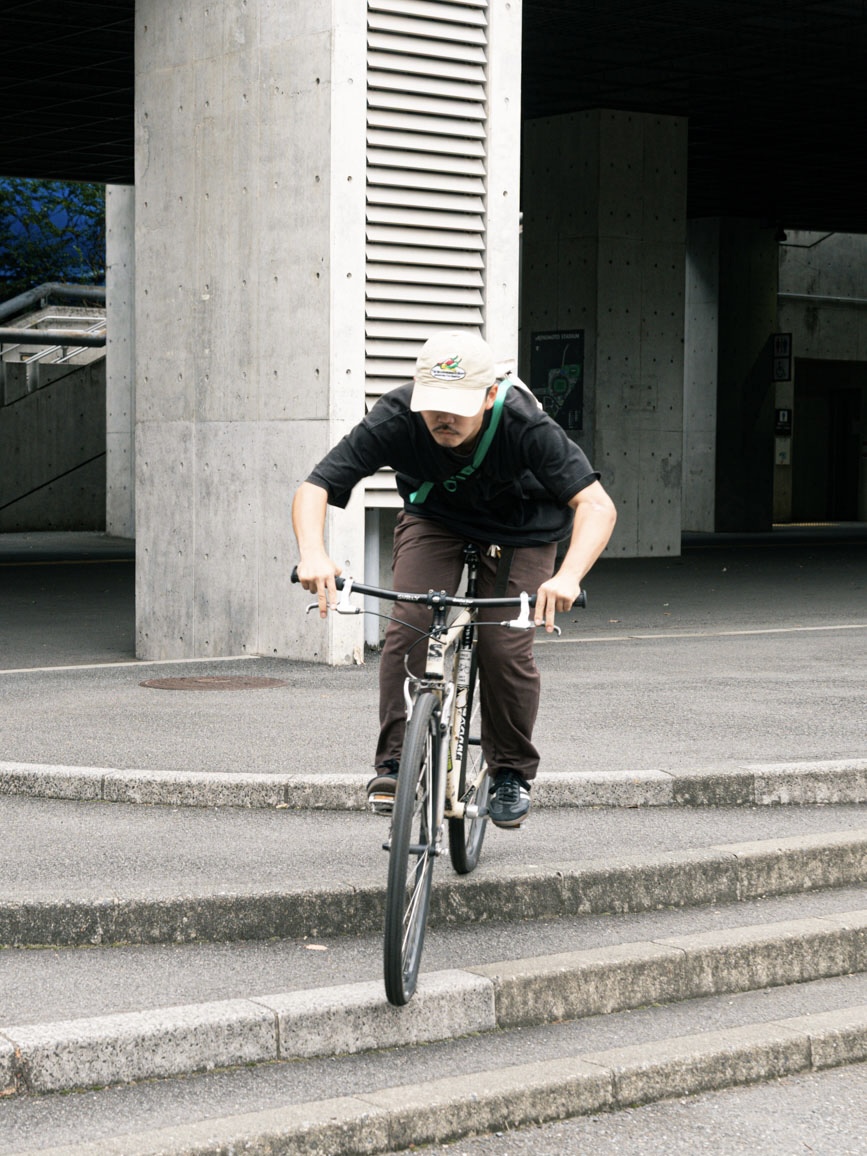
いつものように長くなってしまったが、このハンドルバーもフレームと同時発売です。
今日のブログは、このハンドルが復活するってのがとにかく最高だって事さえ伝われば良い。
こちらはBLUE LUGにて限定発売。海外の方はBLオンラインから注文可能です。
以下発売スケジュール。
As always, this turned into a pretty long blog post.
But the important thing is that the Torsion Bar will be released alongside the Steamroller frameset.
If there’s one thing I want you to take away from today’s post, it’s simply this:
It’s freaking awesome that this handlebar is coming back.
The Torsion Bar will be available exclusively through Blue Lug.
For our friends overseas, you’ll be able to order through the Blue Lug online store.
Here’s the release schedule.
== SURLY × BLUE LUG torsion-bar bl20th ==
TORSION BAR (Dull Plating / Black)
In-store release: November 2nd (Mon) 12PM
Online release: November 8th (Sun) at 7:00 PM JST
See you around!