The FAIRWEATHER Handlebar Bag ADV has probably been my favorite piece of gear on my bike lately.
I recently took the updated version on a camping trip, and actually using it for a full overnight ride helped me understand the bag much better — but also made me think more about how I pack for bikepacking in general.
These are some of the most recent photos from that trip.
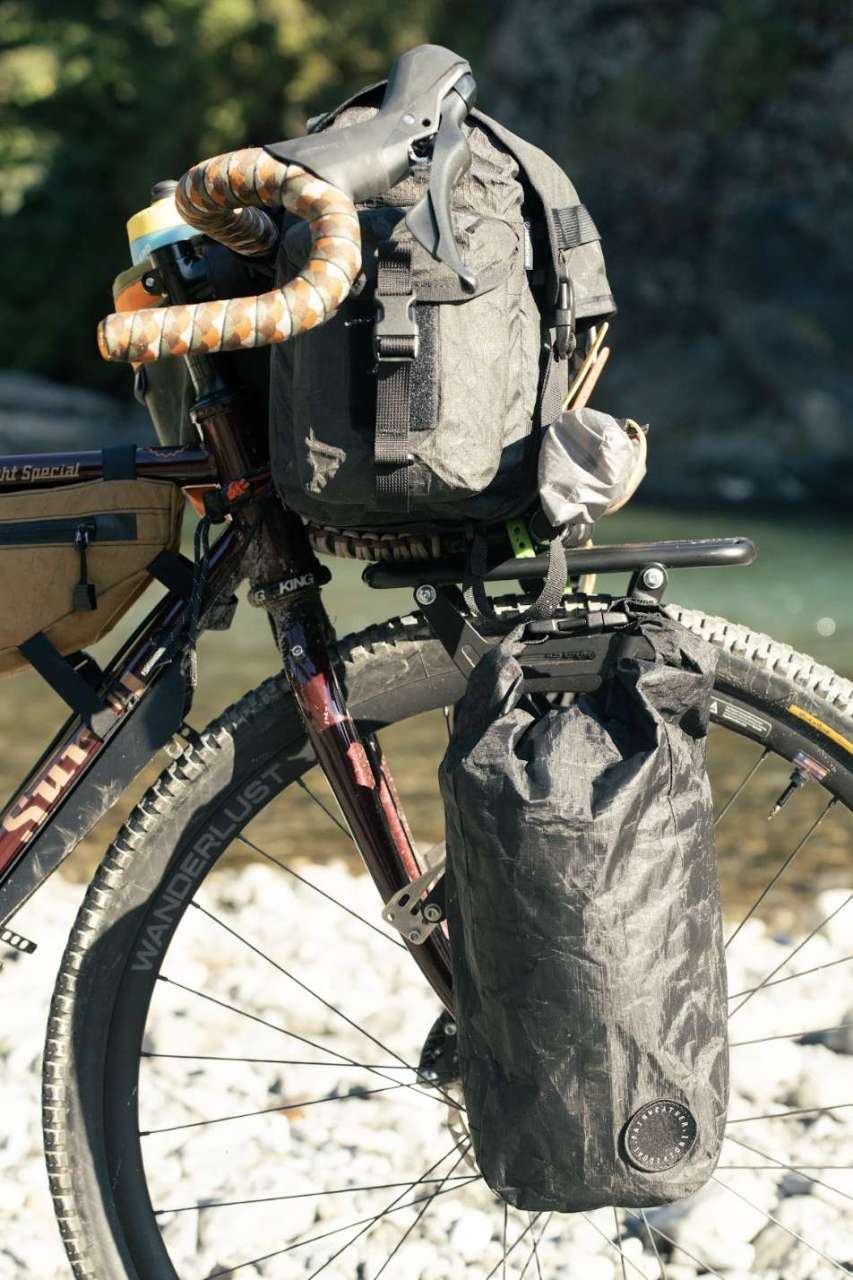
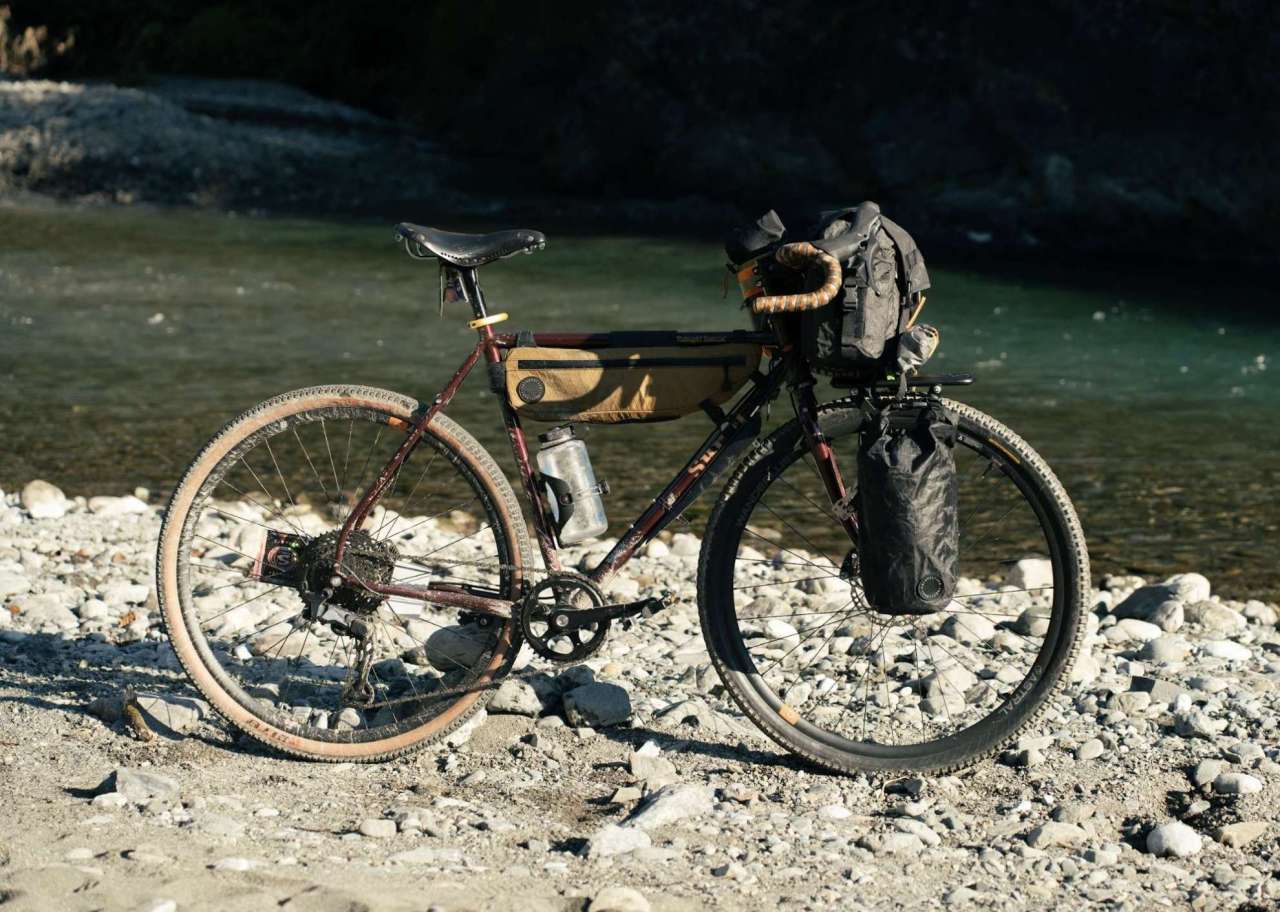
The bag attaches really simply with the Velcro straps that come with the flap, and even with its 15L capacity, it’s still compact enough to fit nicely between my CRUST BIKES Towel Rack Bar in 535mm.
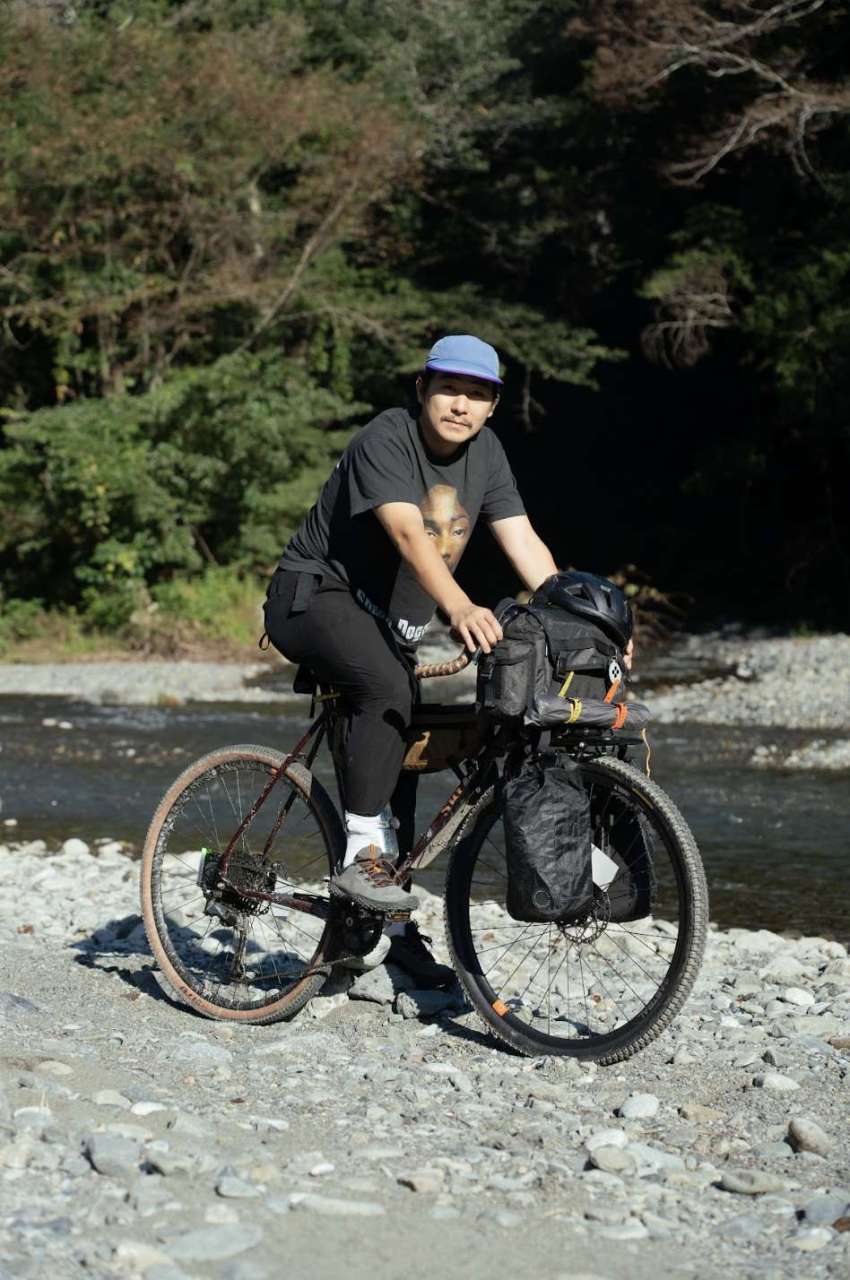
What I’ve realized recently is that the bag itself is only part of the story.
The other part is learning how much you actually need to carry.
On my first bikepacking trip across Japan, I definitely packed too much.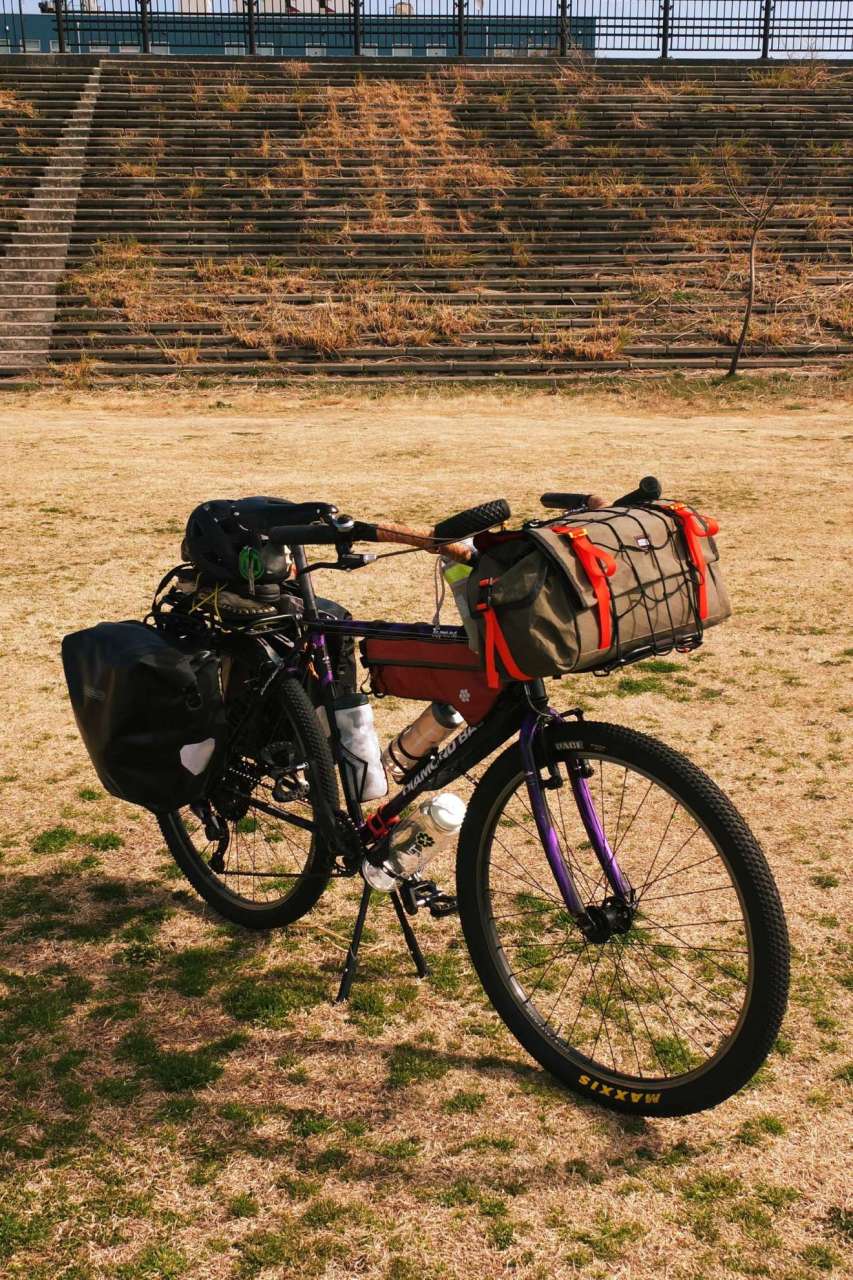
I had a huge handlebar bag up front, two large panniers in the back, a frame bag, and even more stuff strapped onto the rear rack.
At the time, I thought I needed all of it.
But the more I ride and the more trips I do, the more I’m learning how much nicer the bike feels when you carry less.
You really don’t need that many clothes.
You don’t always need to carry a huge amount of food — especially in Japan, where convenience stores are everywhere and many are open 24 hours.
Even things like tents, sleeping setups, and cooking gear can get much smaller once you start looking at equipment with bikepacking in mind.
For this trip, the 15L capacity of the Handlebar Bag ADV was more than enough for a lot of my essentials.
I was able to pack things like cookware, a rain jacket, a change of clothes, toiletries, snacks, and a first-aid kit inside without any problem.
And there was still room to expand.
One thing I like about the updated flap is that you’re not limited to what fits inside the bag.
Using Voile straps through the attachment points on the front, you can easily carry extra things on the outside too — a jacket, light gear, or anything else you don’t necessarily want buried inside.
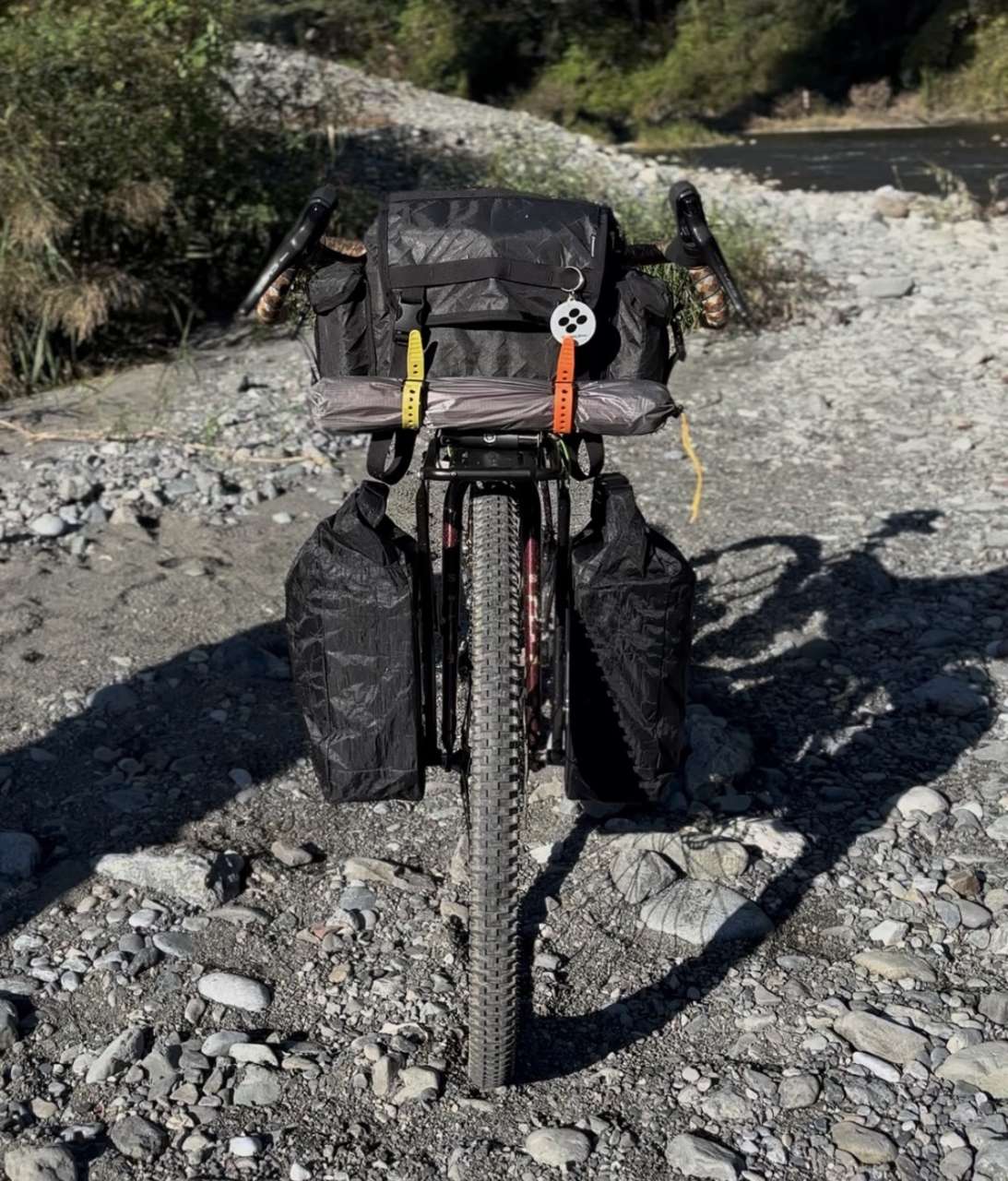
That flexibility is probably what I like most about it.
It can hold a lot, but it doesn’t automatically encourage you to overload the bike.
You can keep things simple, carry what you need, and still have extra options when the trip calls for it.
I think that’s also where my own thinking about bikepacking has changed.
Before, I thought preparing for a trip meant figuring out how to carry everything.
Now I think it’s more about figuring out what I can leave behind. The less weight I put on the bike, the more I can actually enjoy riding it.
Especially when the route includes climbs, gravel, or places where the handling of the bike starts to matter.
That’s why this bag has worked so well for me.
It gives me enough space to carry what I genuinely need without turning the bike into something completely different.
And for the way I want to ride right now, that balance feels pretty close to perfect.