
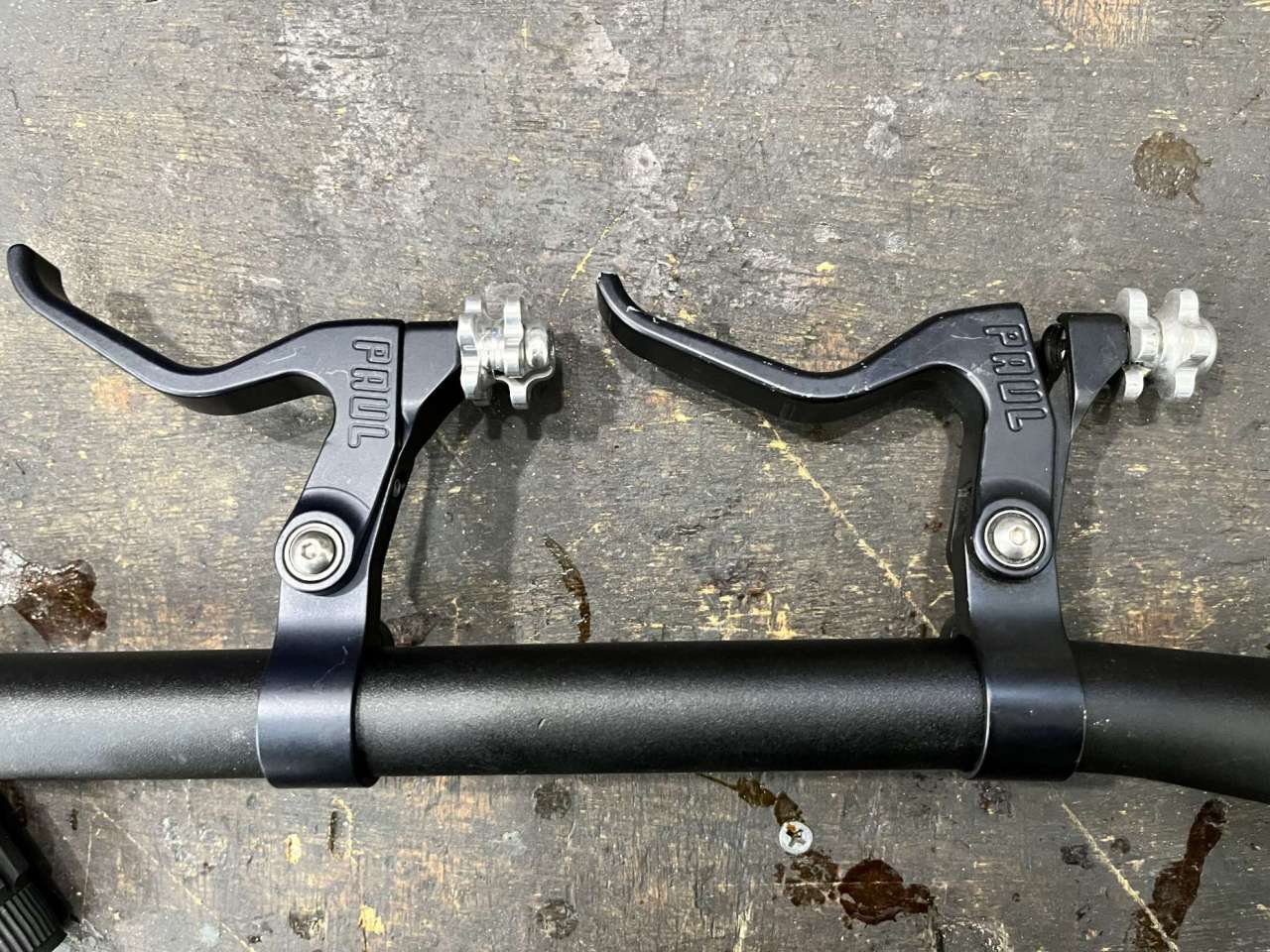
These are the Love lever compact from Paul Components.
You’ll notice something off about the two levers. The lever on the left seems to be further from the handlebar, while the one on the right is closer.
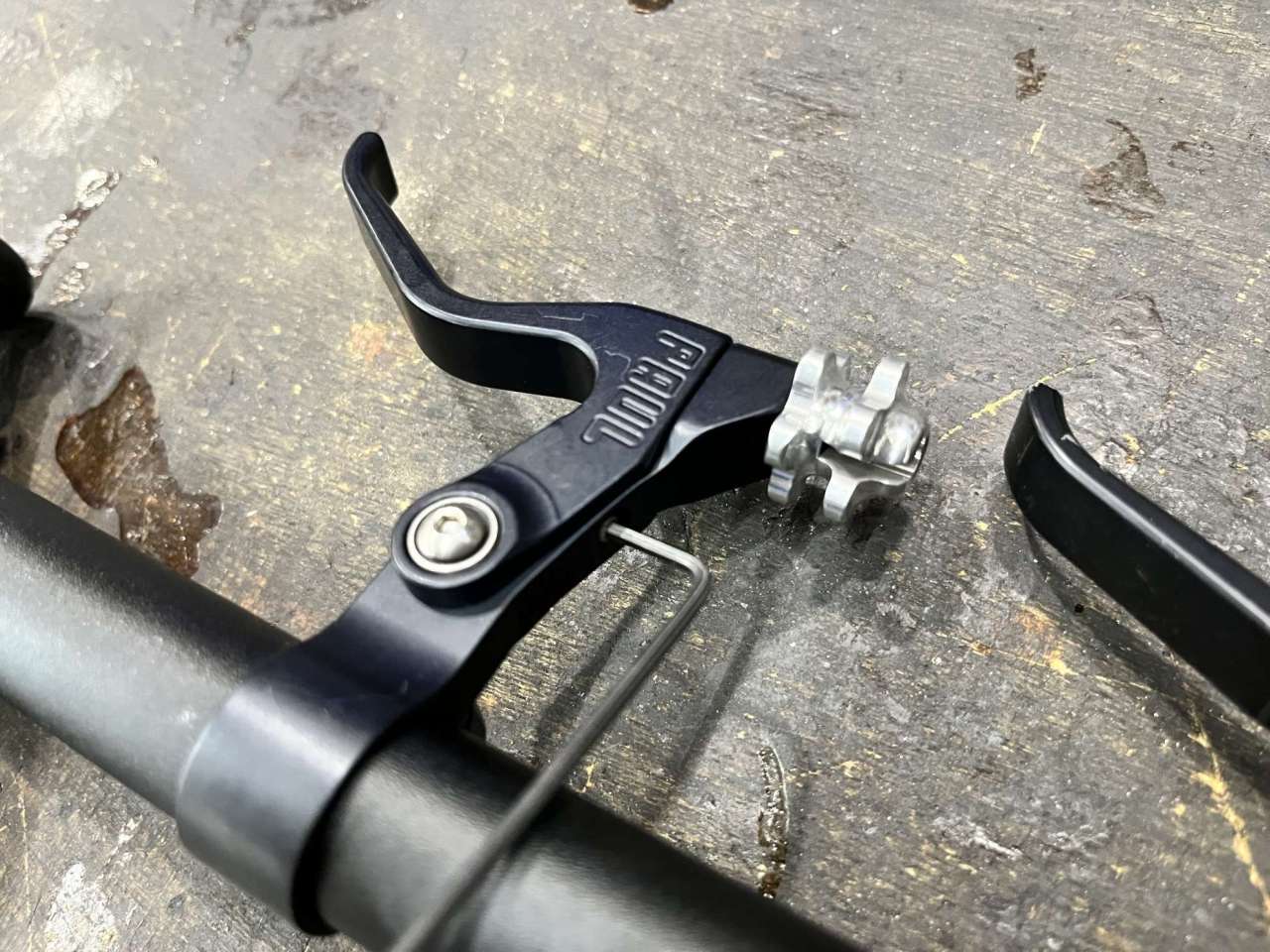
It’s a little-known fact that you can freely adjust the starting position relative to the brake lever using this screw.
Turning it clockwise brings the lever closer, while turning it counterclockwise moves it farther away.
A firm grip allows for better braking performance and easier control.
In particular, the Love Lever Compact has a slightly longer reach, so shortening the distance often results in better performance. When I’m in charge of building a bike from scratch, I tend to adjust the reach to be shorter.
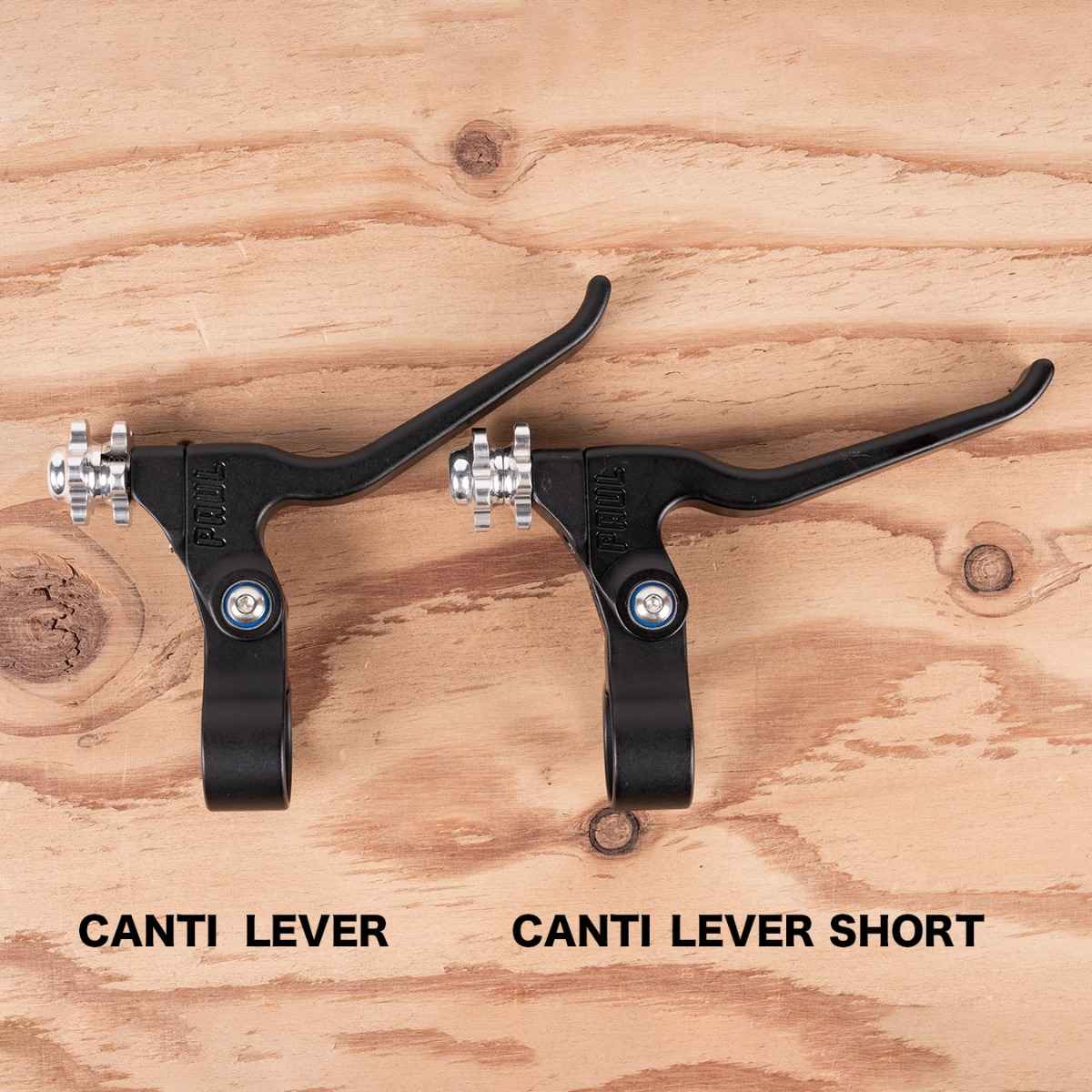
With that in mind, the brand has recently released a short version of its Canti Lever.
The short version is more practical for people with smaller hands than average.
And this feature for shortening the reach isn’t exclusive to Paul—it’s a feature found on the vast majority of brake levers.
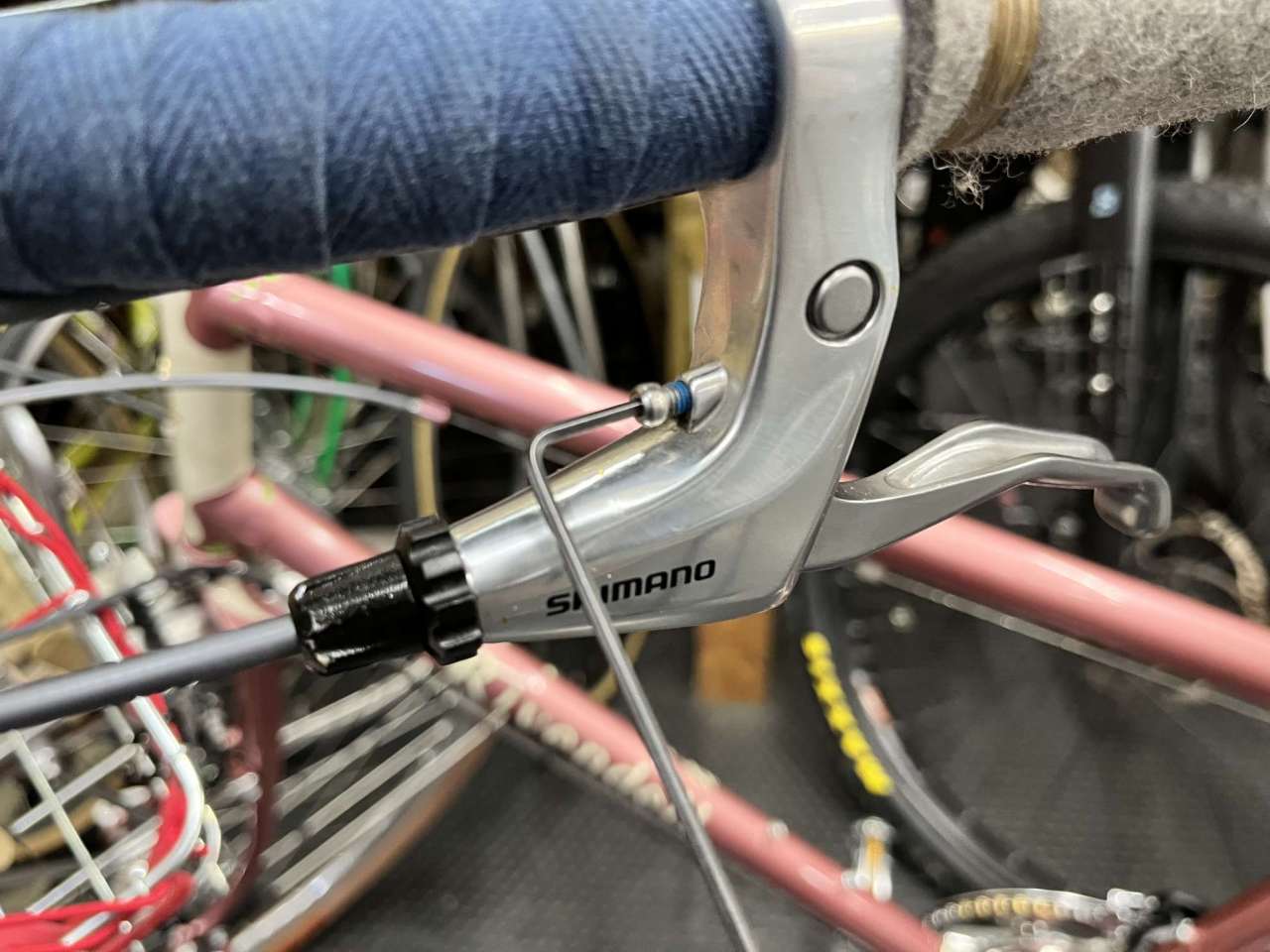
The adjuster for the Shimano R780 is located here.
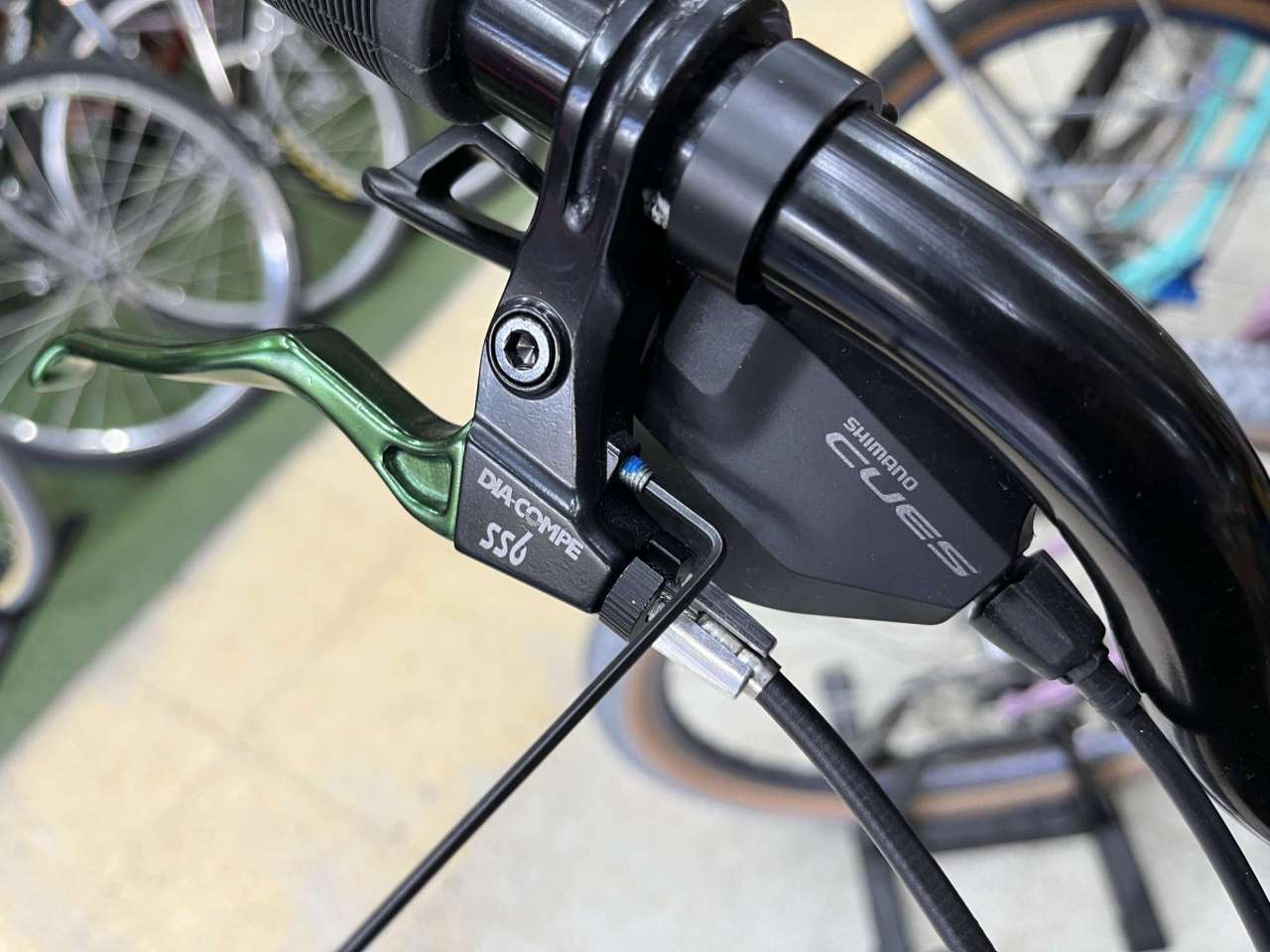
Dia-Compe SS-6, here
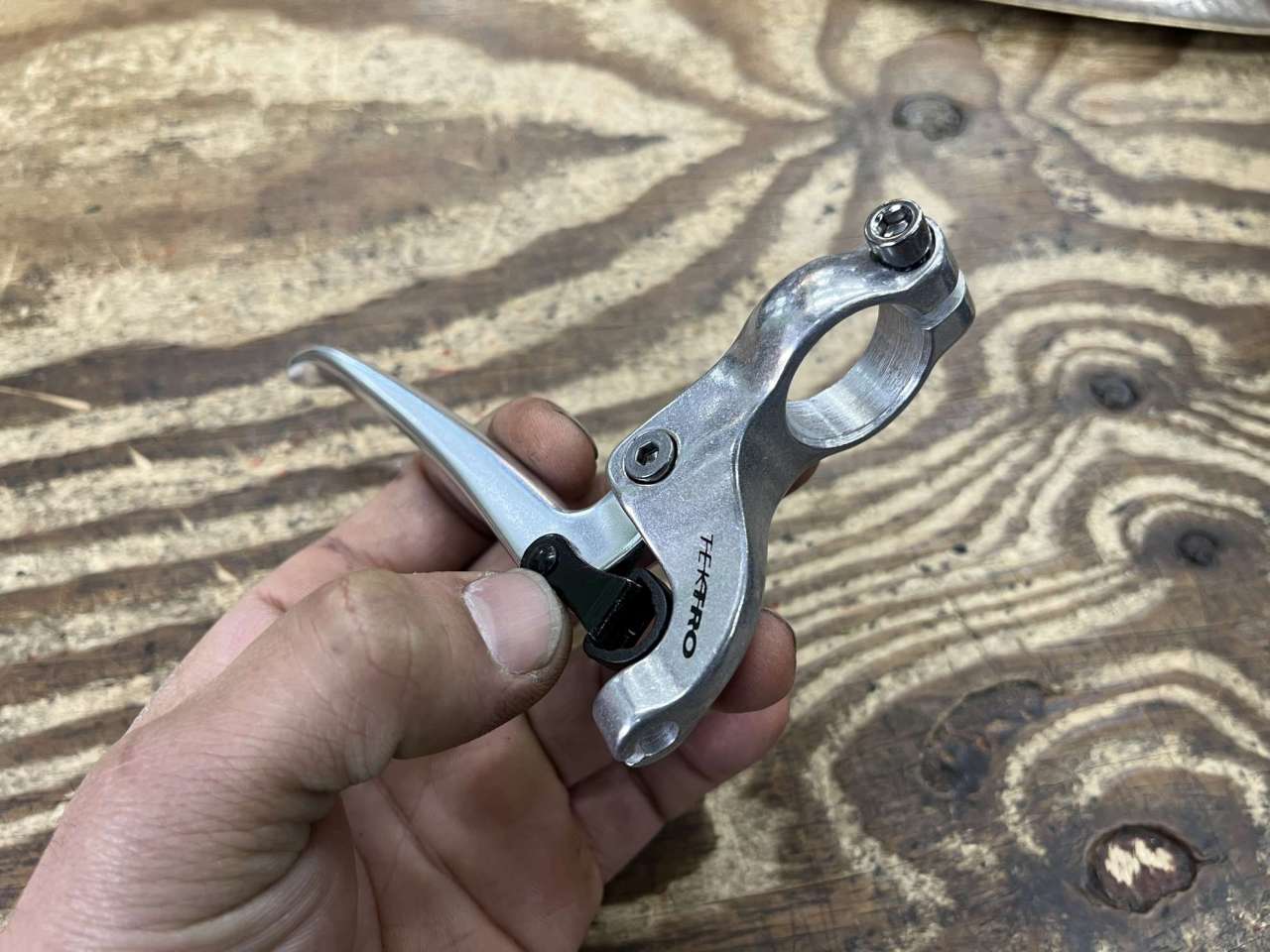
The TEKTRO FL-750 unfortunately does not have adjusting screws.
I recommend checking the current brake levers you are running.
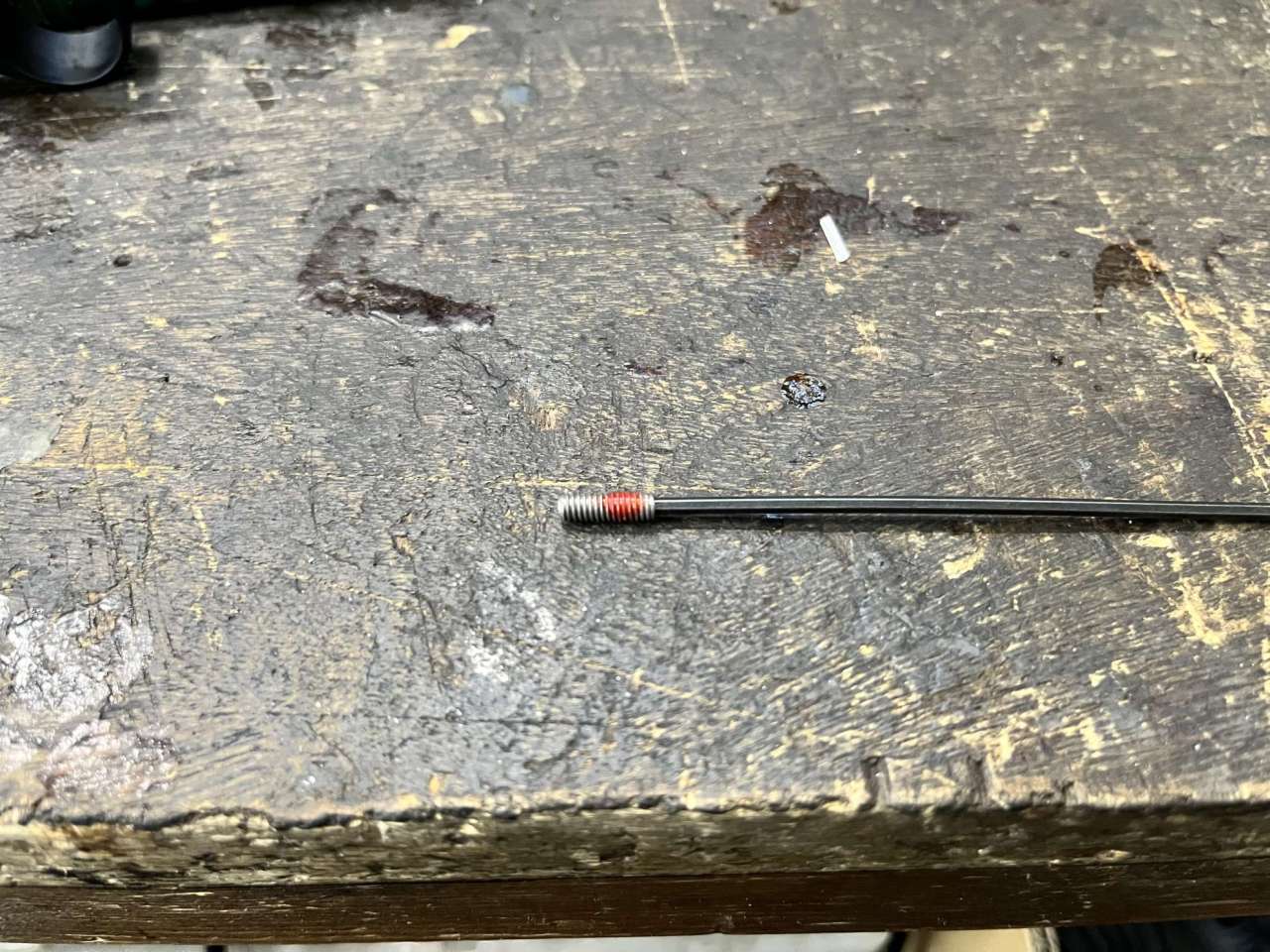
Most levers just have these small screws for adjustments, which are the unsung heroes and they’re usually coated with threadlocker (the red stuff).
That’s because without threadlocker, the set screws would loosen on their own when riding on gravel or other high-vibration surfaces, causing the placement of the levers to change.
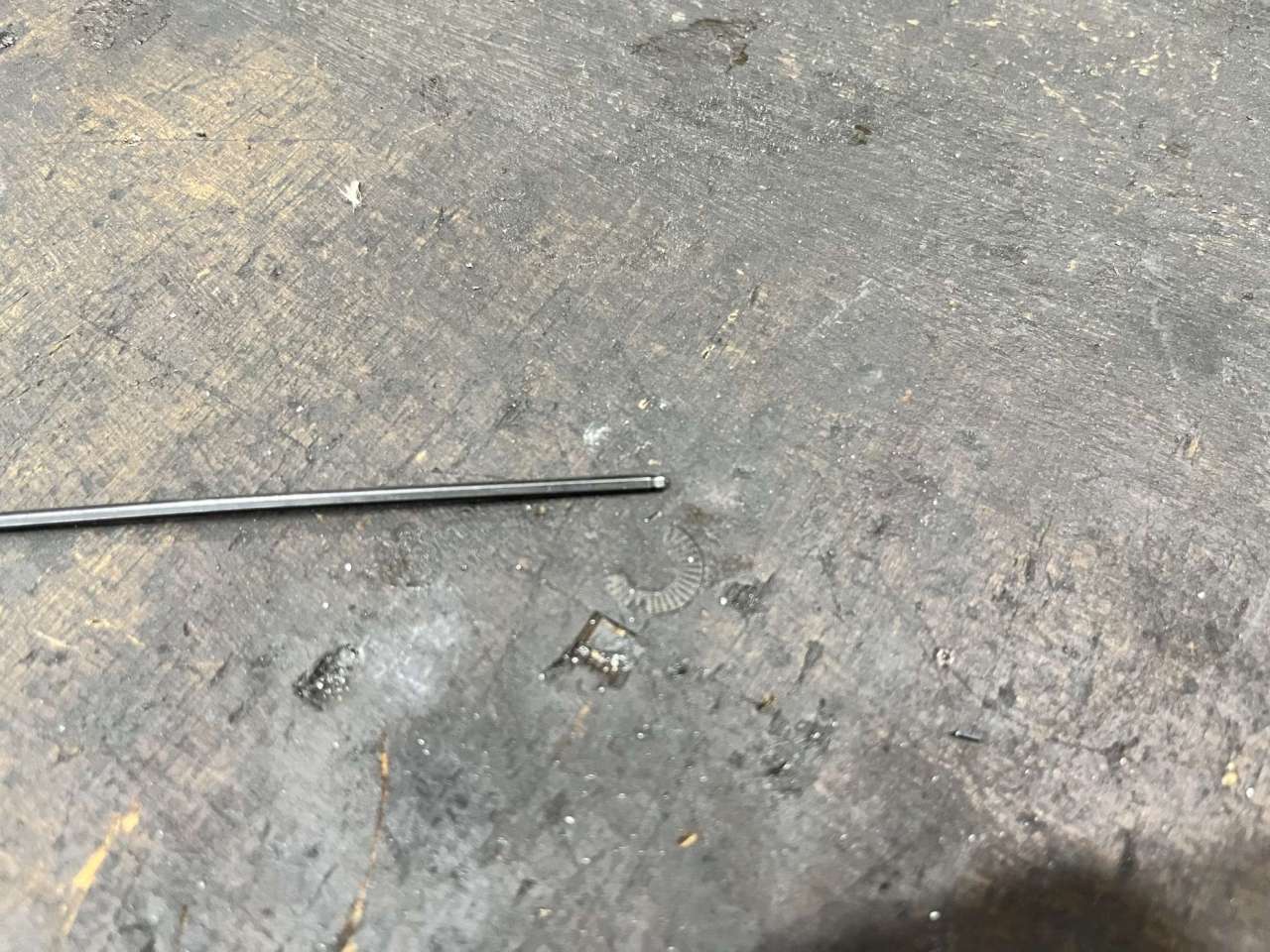
Please do not use the round side of the hex keys to adjust the screws.
Even though this is a spot where you need to apply a fair amount of force to turn it due to the threadlocker, the round side of hex keys have a narrow contact surface with the screw, making it prone to strip.
Do not strip this screw or else you’re screwed!…sorry.