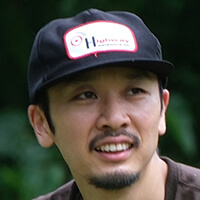
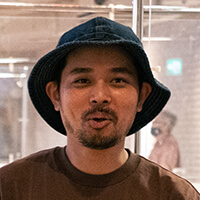
Hanging Out With Matias Stridsland
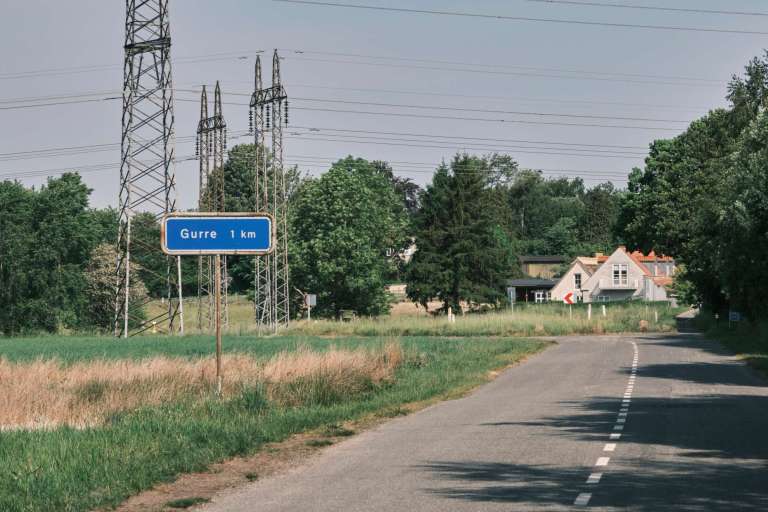
What’s your favorite place in Denmark?
“Right here! Because my family is here.”
Matias Stridsland answered with a big smile on his face.
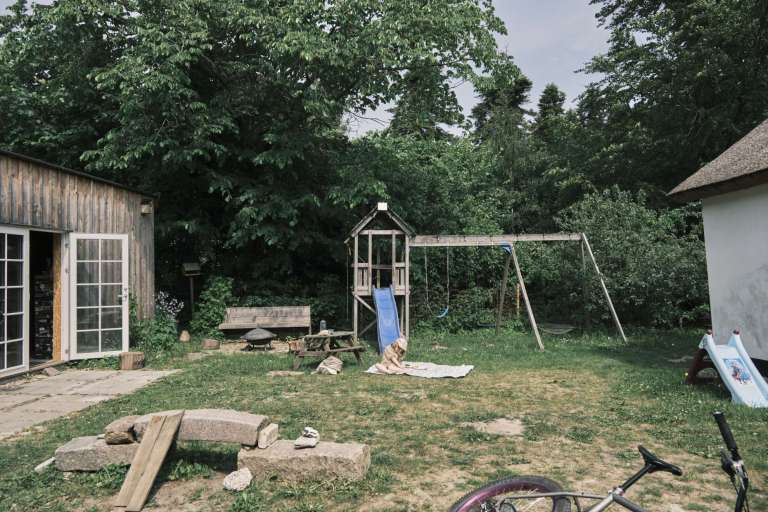
Surrounded by forests and lakes, Gurre is a quiet, peaceful village located north of Copenhagen, Denmark.
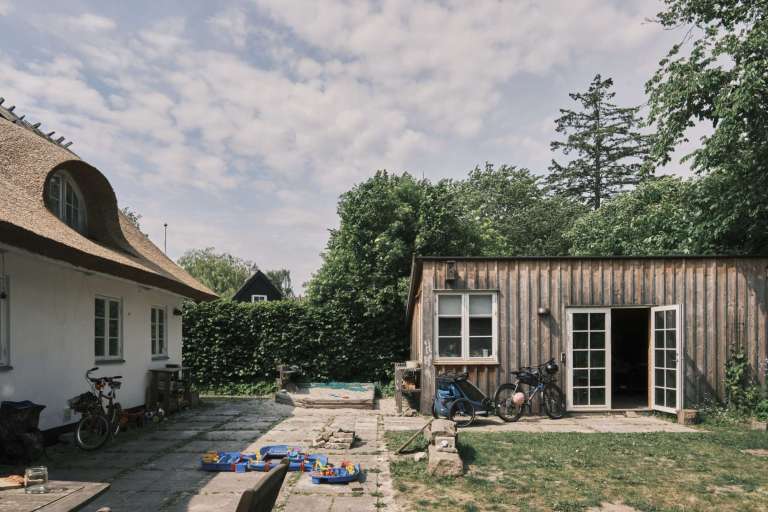
This is where STRIDSLAND is based.
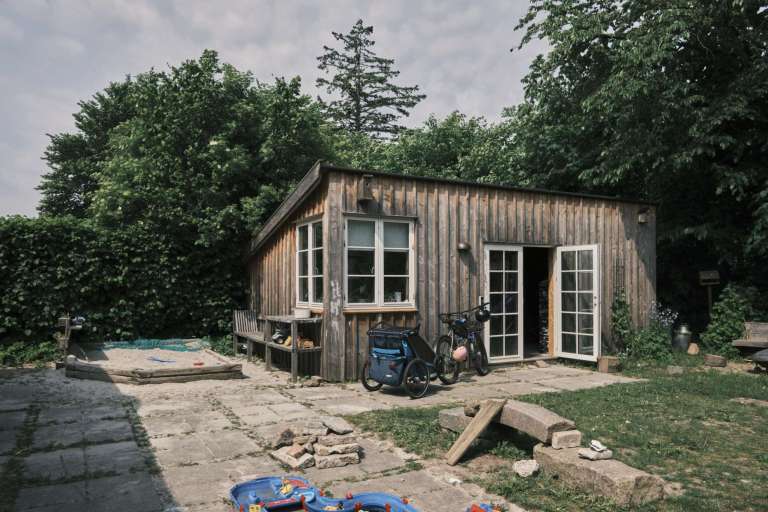
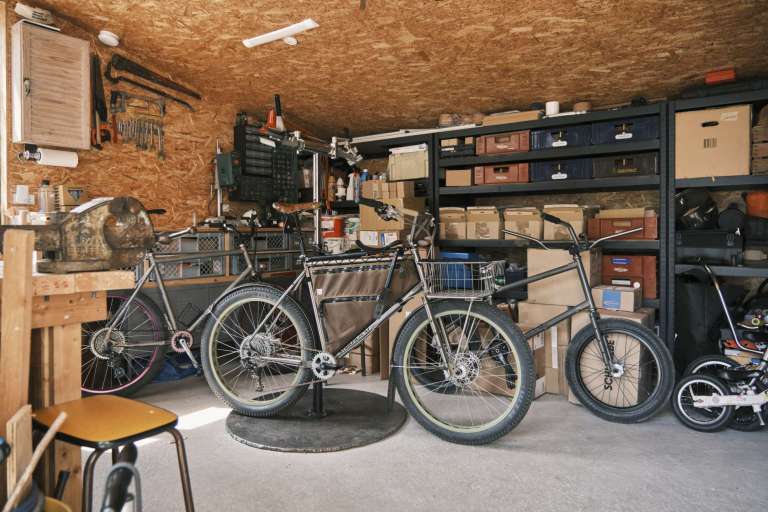
(The workshop he built behind his house with his friends.)
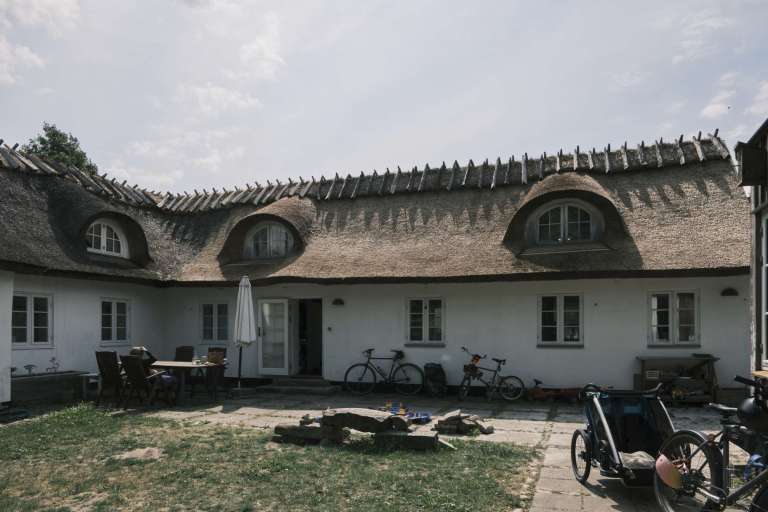
His beautiful thatched-roof home is about 200 years old. Apparently, buildings of this style are legally required to be preserved and maintained.
Matias explained:
“After moving from Canada to Denmark, I lived in Copenhagen for about five years. But as my family grew and STRIDSLAND started gaining momentum, I decided to move to Gurre.
I wanted more space and to be closer to nature.
It wasn’t easy finding a place where we could live alongside our friends and their family, but we were lucky to find somewhere affordable with such beautiful surroundings.”
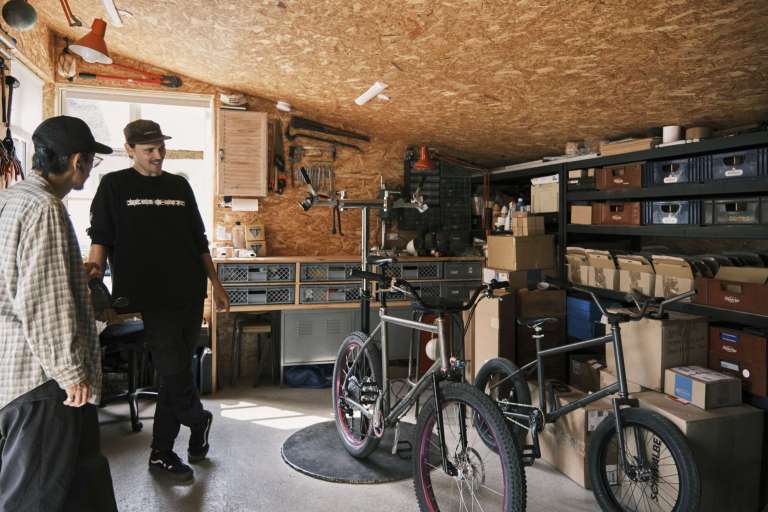
With plenty of support from his partner, Matias runs STRIDSLAND almost entirely on his own from this peaceful little village.
His parents are Danish and moved to Canada in their twenties. Matias was born and raised in Canada before moving to Denmark at the age of 17.
While working part-time at Copenhagen-based cargo bike manufacturer OMNIUM, he started STRIDSLAND as a personal hobby.
Over time, his work gradually gained recognition, and STRIDSLAND began taking up more and more of his time, eventually becoming what it is today.
He was already involved in frame design during his time at OMNIUM, but interestingly, his knowledge of bicycle geometry is entirely self-taught.
Having studied graphic design, communication design, and photography, he initially started drawing frame designs using Adobe Illustrator.
Through reading online forums and drawing from his own experiences riding different bikes, he gradually taught himself how to design bicycle geometry.
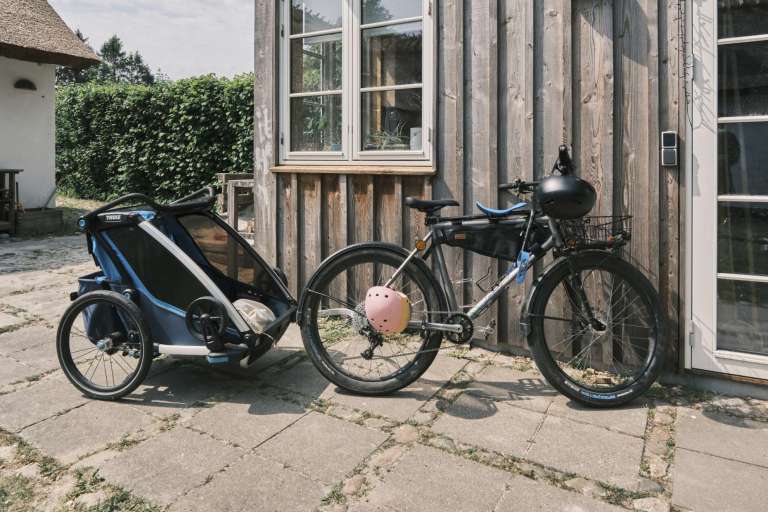
(A Beachcomber belonging to the family of friends who live next door.)
One thing that really stood out to me during our conversations was how intentionally Matias has designed his life around two things he deeply cares about: bicycles and family.
He wants to spend his days thinking about and creating bicycles while still having plenty of time for the people he loves.
I imagine that’s a big part of why he chose to live here, and why he continues to run the brand by himself, maintaining control over both the quality of his work and how he spends his time.
At the same time, he told us:
“It gets really busy and difficult sometimes, but I want to be in control of everything.”
It was clear just how particular he is about the things he creates.
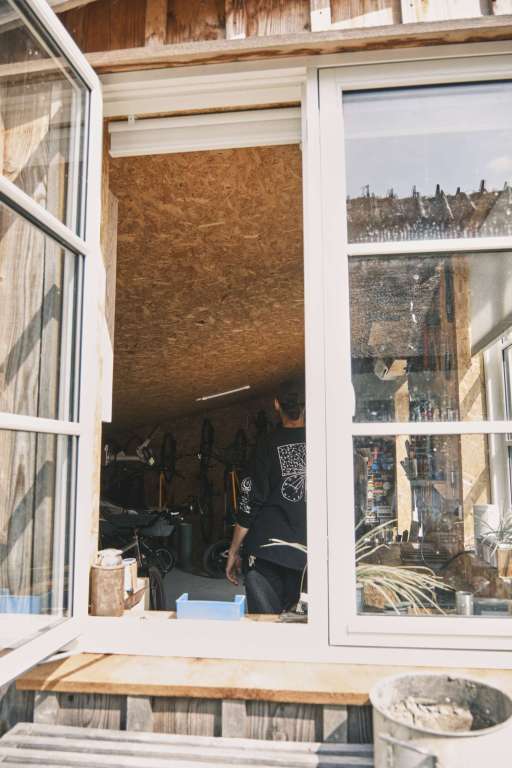
The workshop’s bike maintenance area is filled with soft sunlight coming through the south-facing windows.
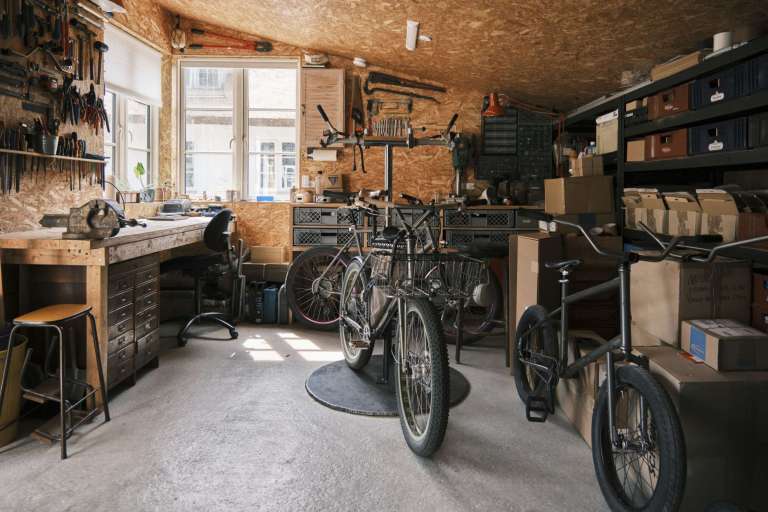
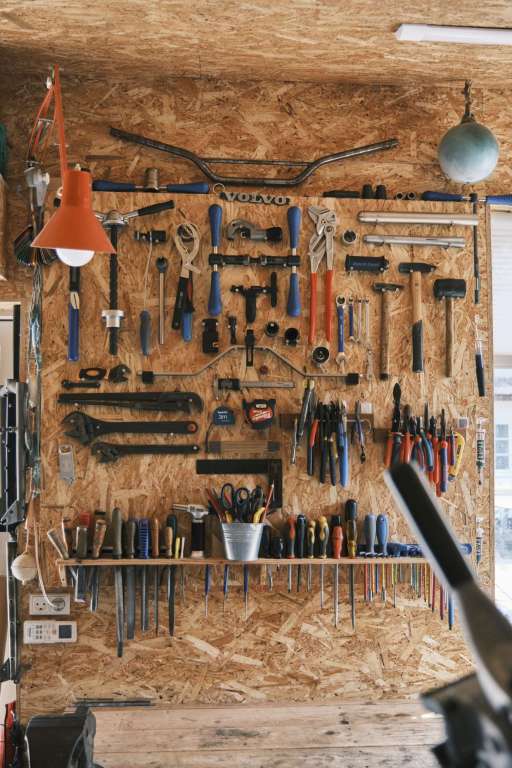
Everything is neatly organized, yet the space feels open, welcoming, and completely free of tension.
In a way, it felt like a reflection of Matias himself.
While we were there, Matias also shared the story behind the STRIDSLAND logo.
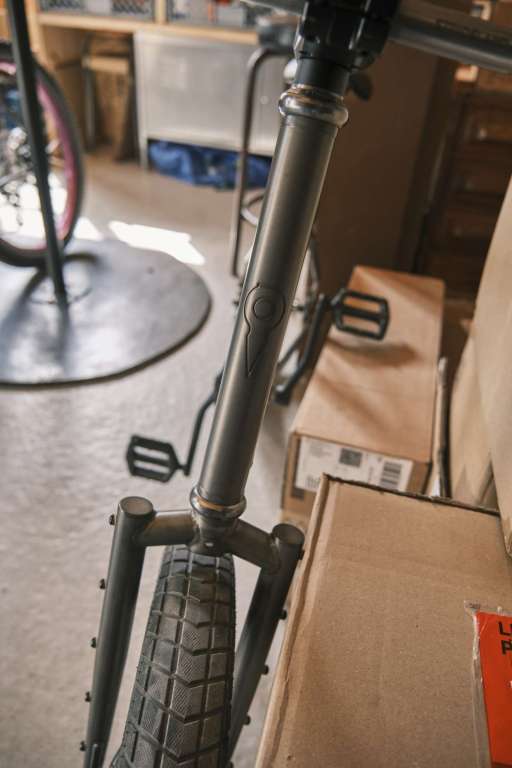
The design is inspired by the landscape of Canada’s West Coast, where he grew up.
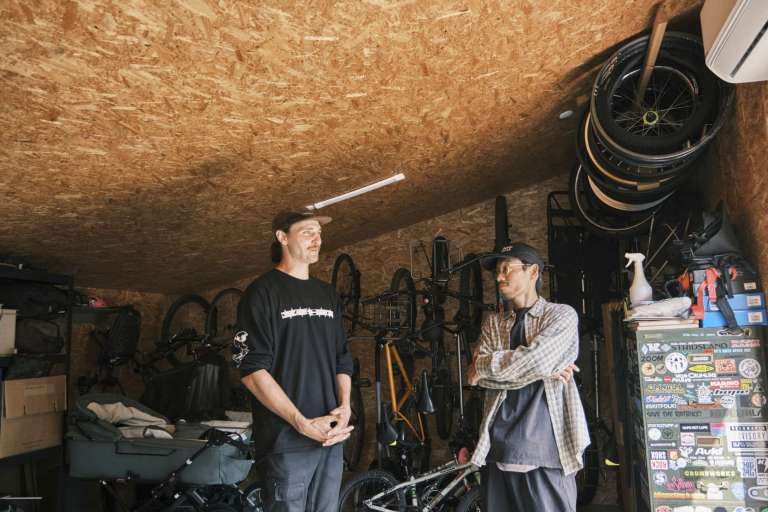
Matias grew up on Canada’s West Coast, a region known for its beautiful coastline, abundant nature, and thriving logging industry.
In the logging process, trees are cut down on mountain slopes and the logs are sent down into the water.
Small boats called “boomboats” are used to gather the floating logs together.
Once collected, the logs are assembled into enormous rafts and pulled by tugboats to sawmills.
But when storms hit, some logs break free from the rafts and drift away, eventually washing up along the shore.
The people who search for and collect these lost logs are called “beachcombers.”
When a beachcomber finds a log, they hammer a metal spike called a “log dog” into it, attach a rope, and haul it away.
Even a single log can be worth a decent amount of money to an individual.
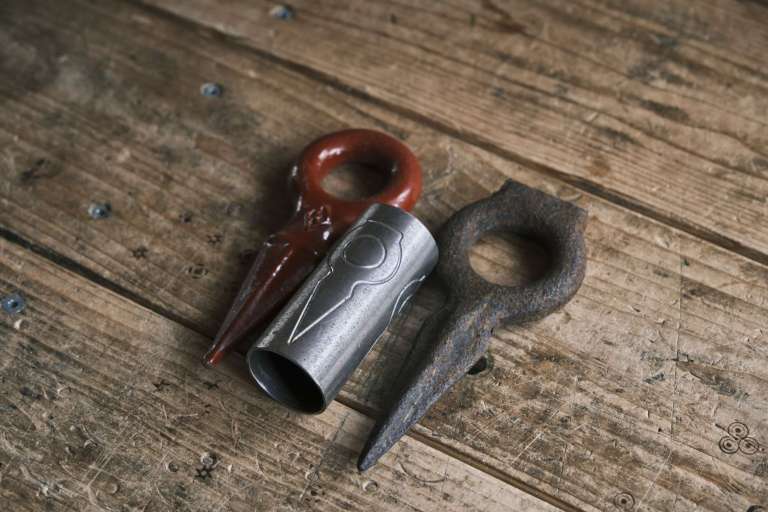
The STRIDSLAND logo is modeled after this very tool, the log dog.
And as you might have guessed, it’s not just the logo.
Product names like Beachcomber, Boomboat, Barnacle Fork, and Anchor Bar are all inspired by this coastal landscape and its history.
I’d also like to share a quote from the Beachcomber product page:
“I guess I’m drawing some parallels between the rough utilitarian function of those log dogs and my frames and parts, as well as some shared values with the old beachcomber lifestyle.”
“Not making a dime, I love the work, but no, I’m not making any money.”
Matias:
“Haha yep, I can vibe with that.”
Source: The Beachcomber
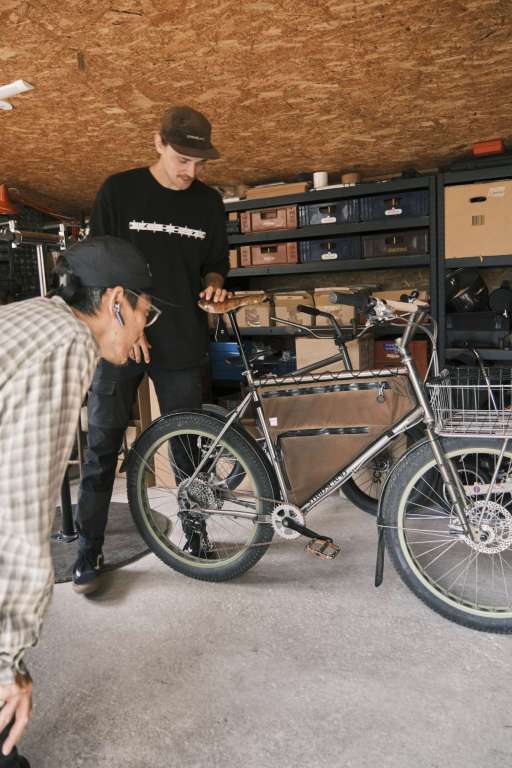
Of course, he also showed us his bikes.
Two Beachcombers, to be exact.
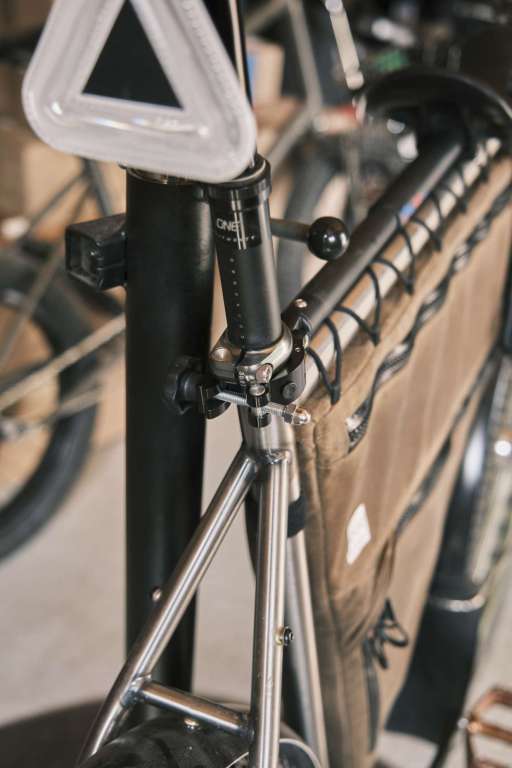
The first one is what Matias calls his “Dad Bike.”
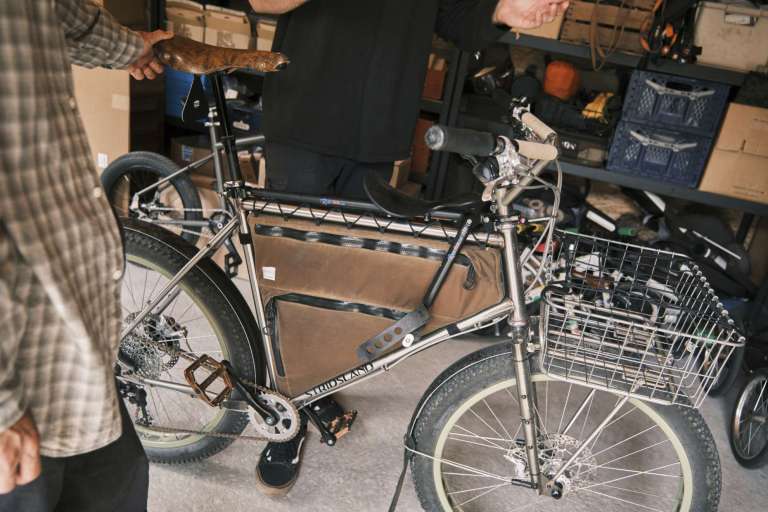
It’s equipped with a child seat mounted on the top tube, which is apparently a pretty common setup in Denmark.
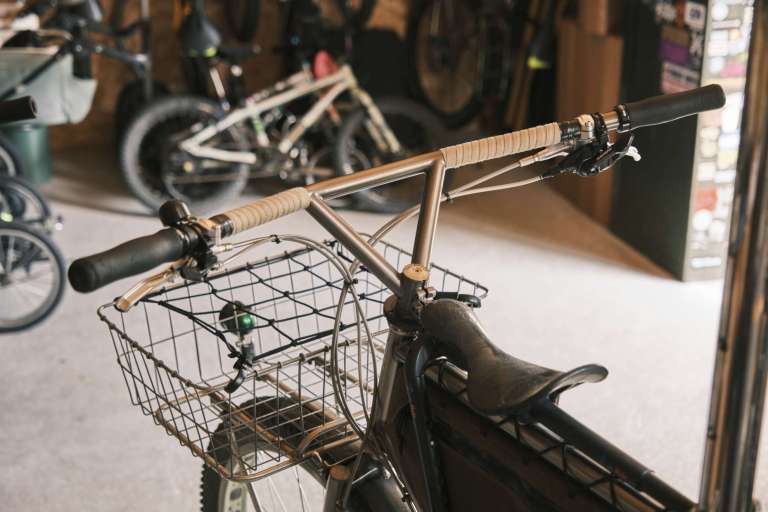
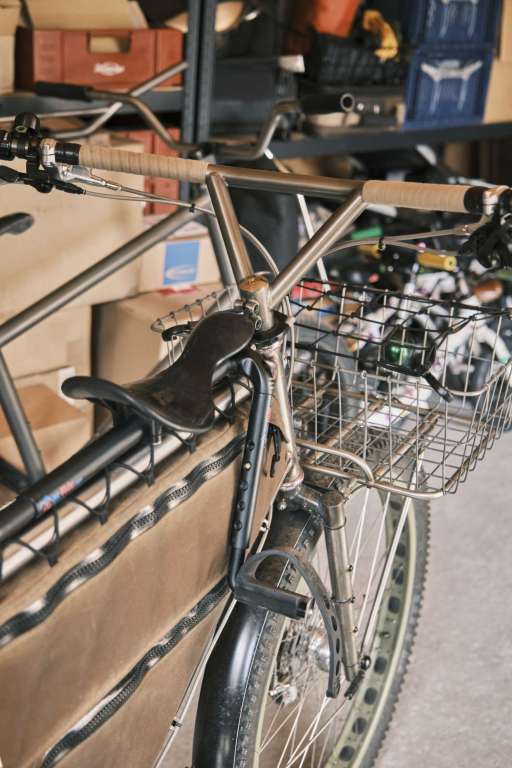
“The high rise of the Bullship Bar gives my kid enough room for their knees. That wasn’t even intentional, though!”
Matias laughed as he explained.
Matias has been playing around on wheels since he was a little kid.
He started out riding scooters, doing tailwhips and messing around at skateparks.
As he got older, he got into downhill longboarding, enjoying the thrill of going as fast as possible.
Then he discovered BMX and found himself spending time at skateparks once again.
Along the way, he’s also ridden mountain bikes, trials bikes, and just about anything else with two wheels.
And man, he’s seriously good at riding bikes.
“I’m always doing wheelies and jumping around, but it’s not because I’m trying to show off. It’s just fun!”
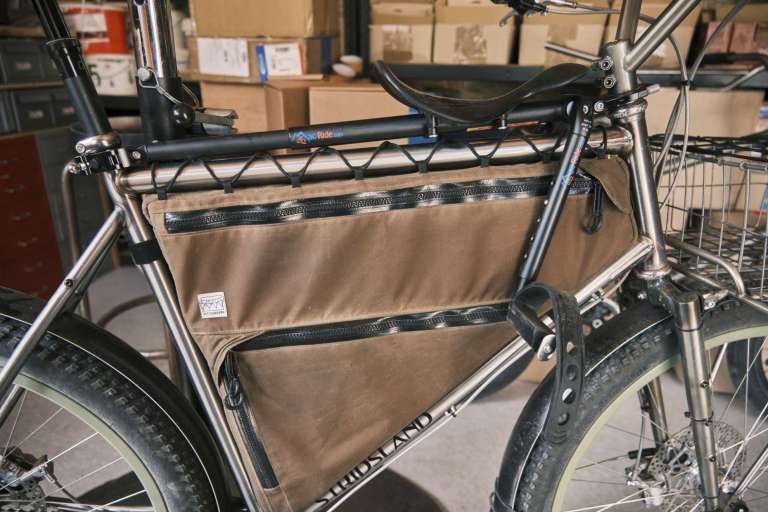
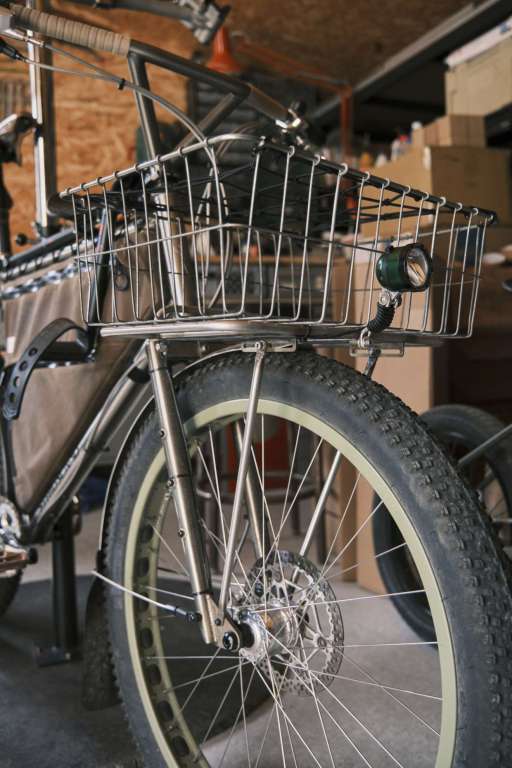
Despite his playful riding style, his Dad Bike is built with practicality in mind.
A rack and basket, dynamo lighting, and fenders make it a proper everyday utility bike.
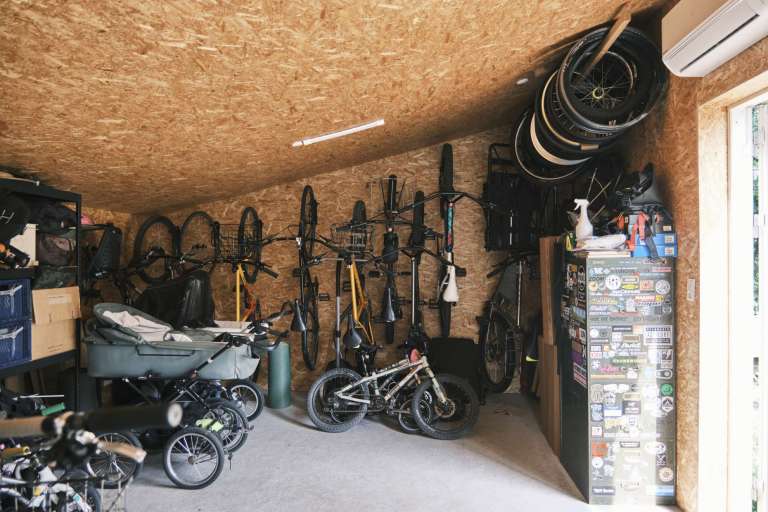
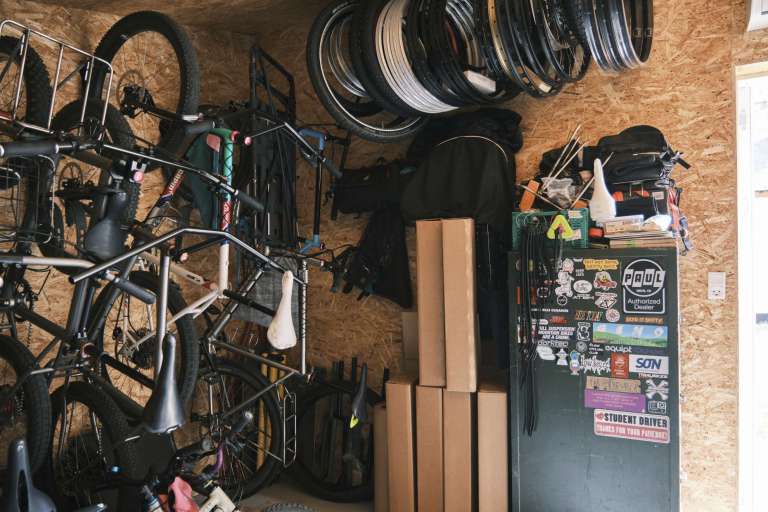
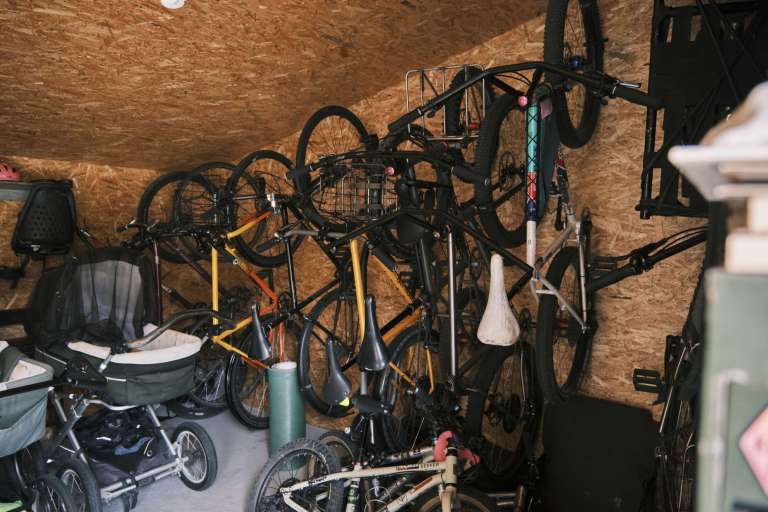
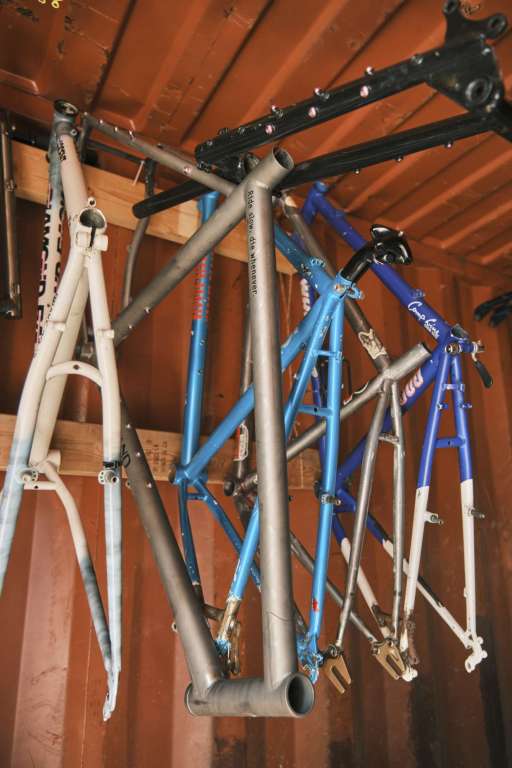
A bunch of prototypes and his personal bikes are hung up on his workshop.
“Let’s go for a ride!”
And with that, we left the workshop.
Denmark is an incredibly flat country, and Gurre is no exception.
Quiet, peaceful roads stretch out through the countryside with barely a hill in sight.
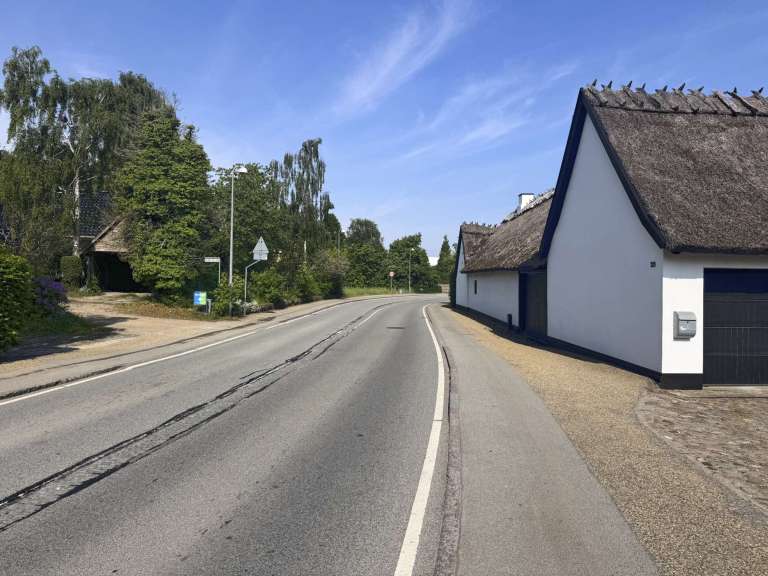
After riding past a few houses for just a couple of minutes, we came across a familiar sight.
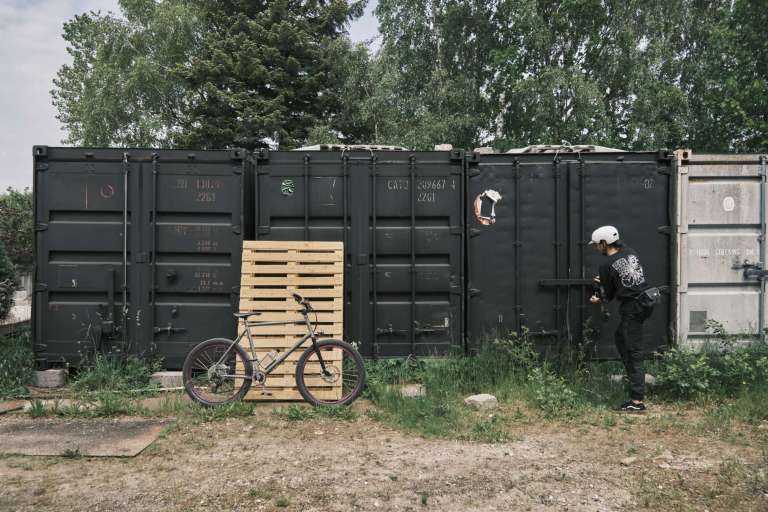
It was a place I’d seen countless times in the background of STRIDSLAND’s Instagram posts.
Matias had brought us to an old shipping container that he uses for storage, almost like a secret hideout.
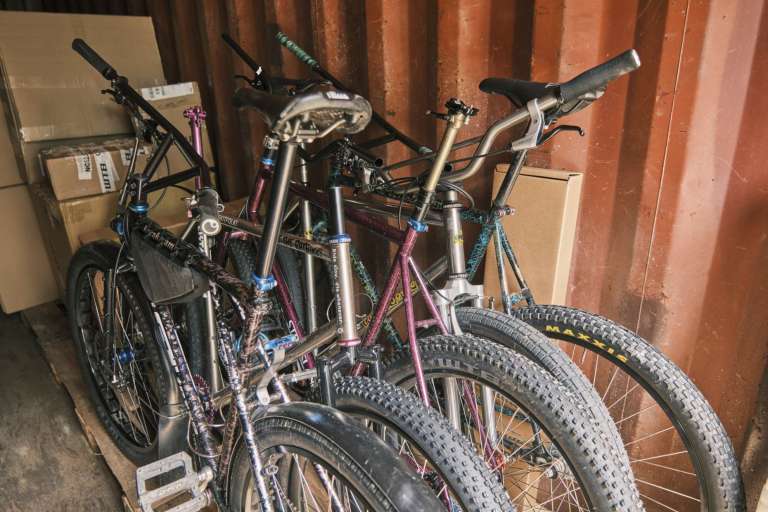
Inside were even more personal bikes, prototypes, parts he couldn’t bring himself to throw away, and all kinds of stock.
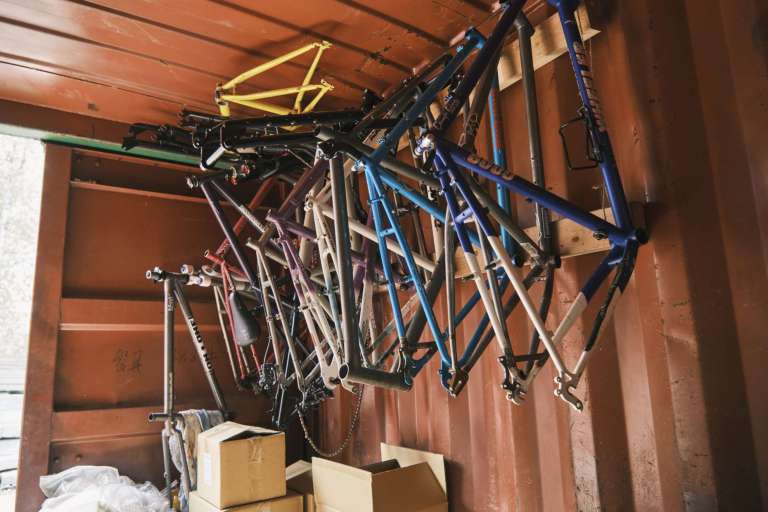
“Someday I’d love to turn this into an archive, displaying all the prototypes I’ve made over the years.”
He shared that little dream with us.
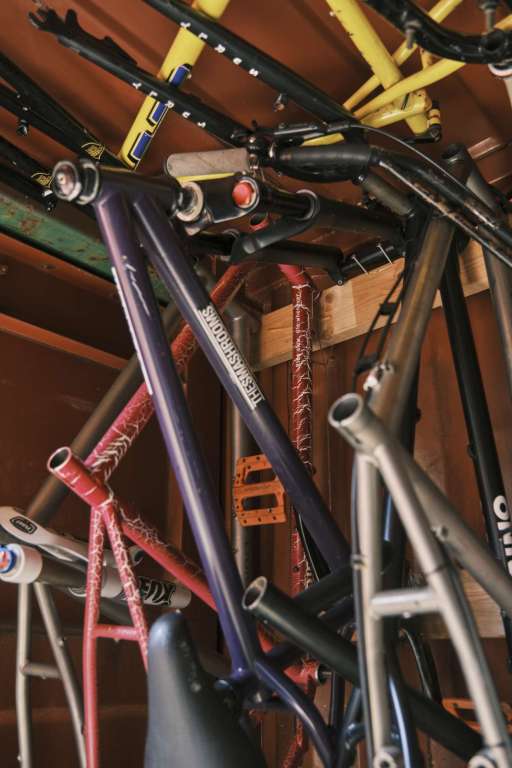
Below is the very first Beachcomber frame.
Then he pulled out the bike that’s often described as the one that started it all.
A 1993 GT Karakoram, the same age as Matias himself.
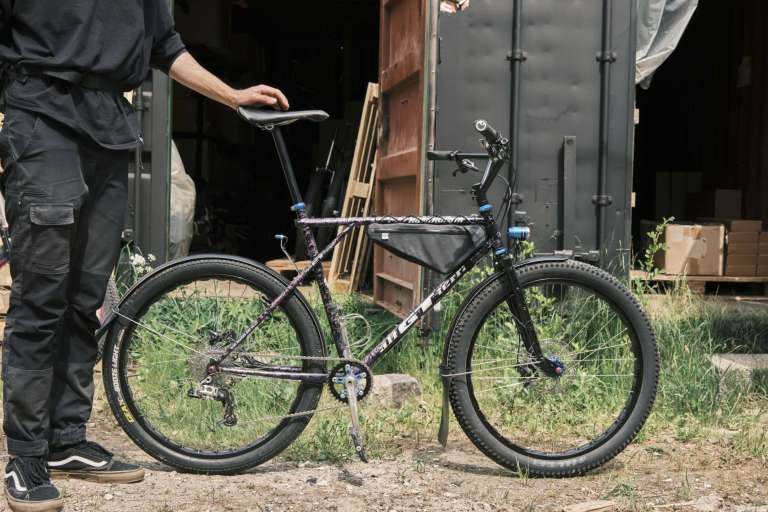
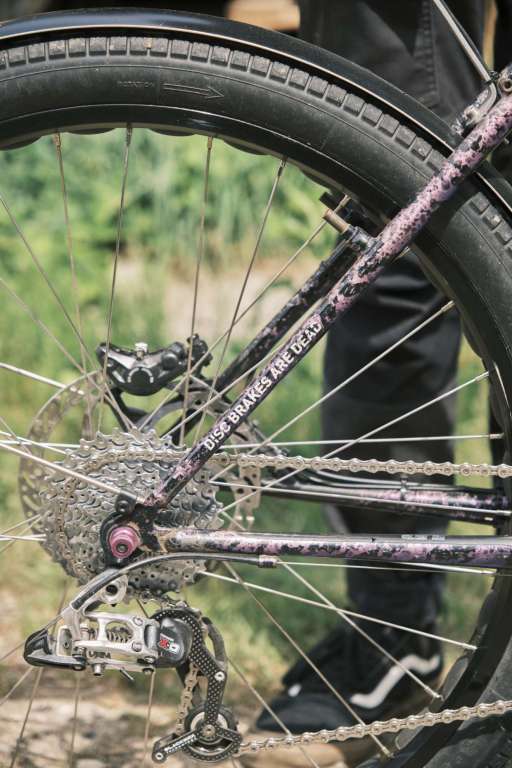
He used to experiment with this bike constantly.
Trying out handlebars similar to what would eventually become the Anchor Bar, welding on disc brake mounts, drilling holes for a dropper post, and making all kinds of modifications to suit his own preferences.
He’d photograph the results of each experiment.
And those experiments eventually became the starting point for STRIDSLAND.
We left the secret container hideout and followed Matias as he rode off.
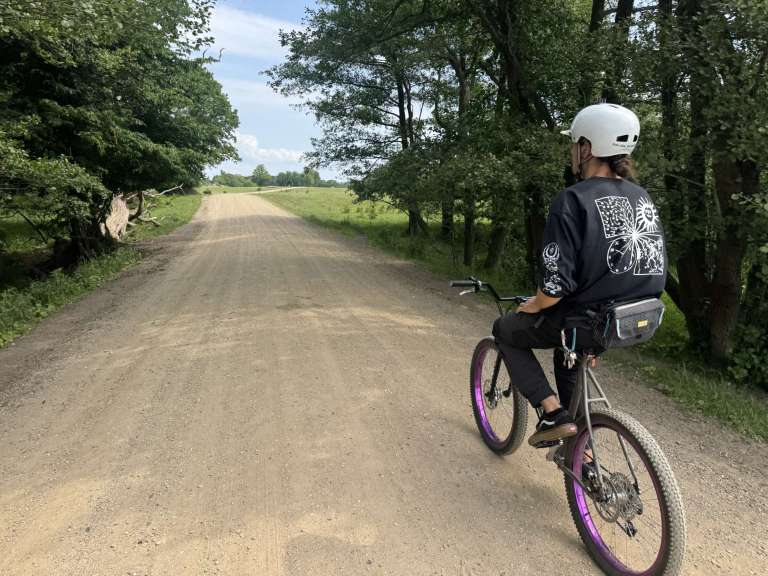
He told us we’d be riding an easy route that he sometimes takes with his kids.
Wide-open roads running alongside pastures.
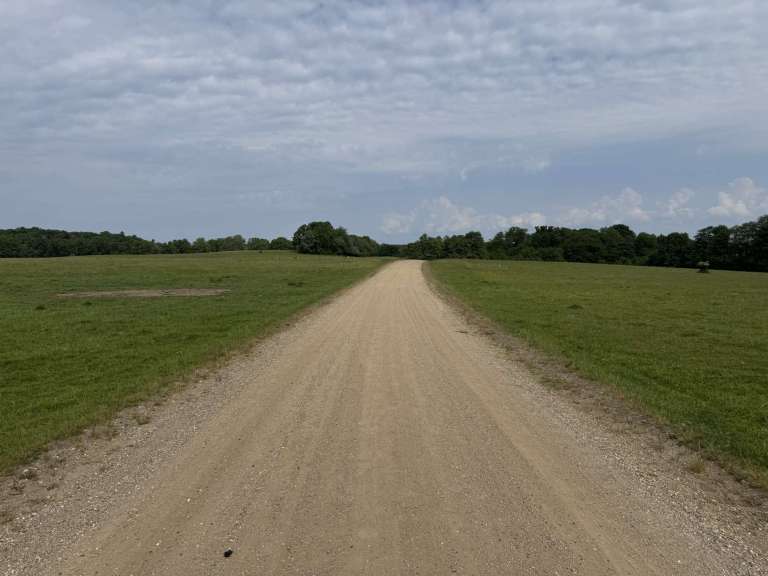
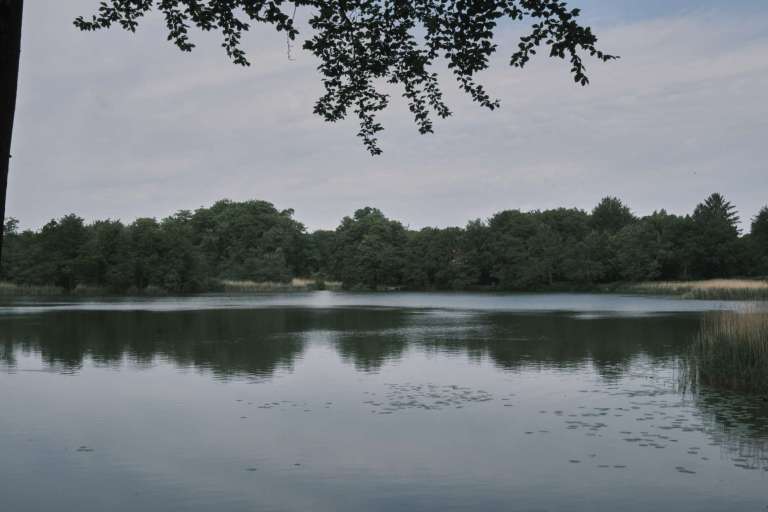
We made our way through forest paths with beautiful sunlight filtering through the trees, passing one of Matias’s favorite lakes along the way.
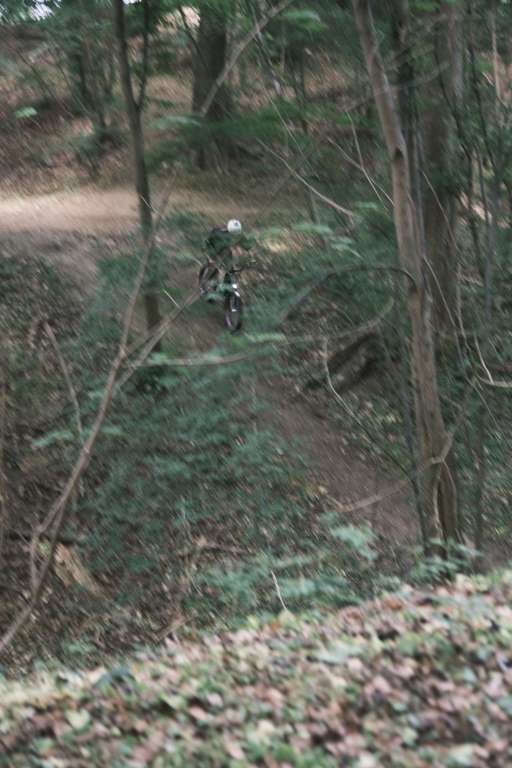
And of course, whenever he spotted something he could jump, he went for it.
He looked like he was having the time of his life.
And again, he’s REALLY good on a bike.
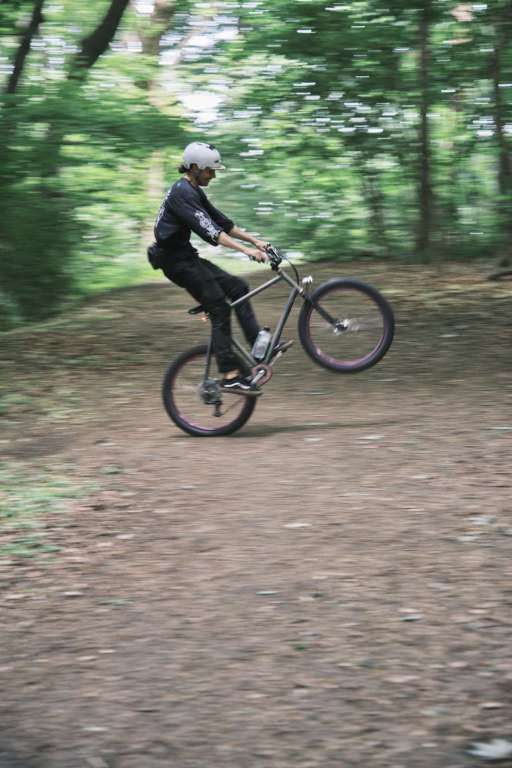
‘m not sure how long we’d been riding, but just as my body was warming up and I was starting to feel like taking my shirt off, the scenery suddenly opened up.
And there it was. The vast ocean, stretching out right in front of us.
What an incredible surprise.
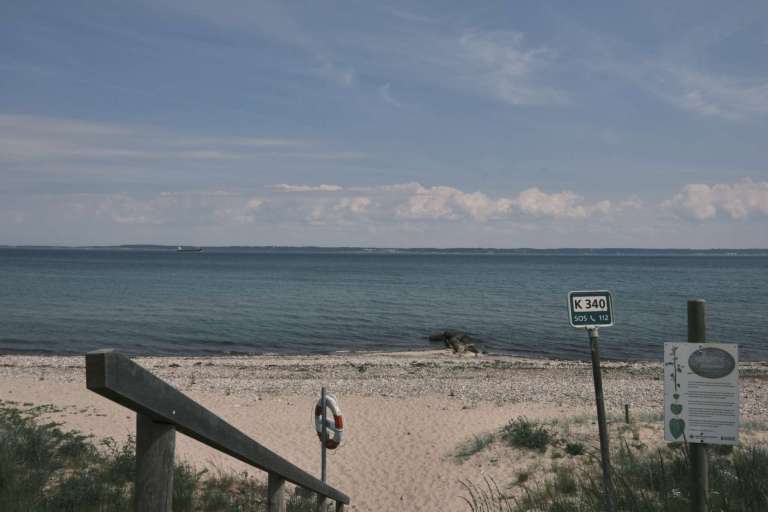
Matias told us that the land visible across the water was Sweden.
“Sometimes we take the ferry over to Sweden and go bike camping over there!”
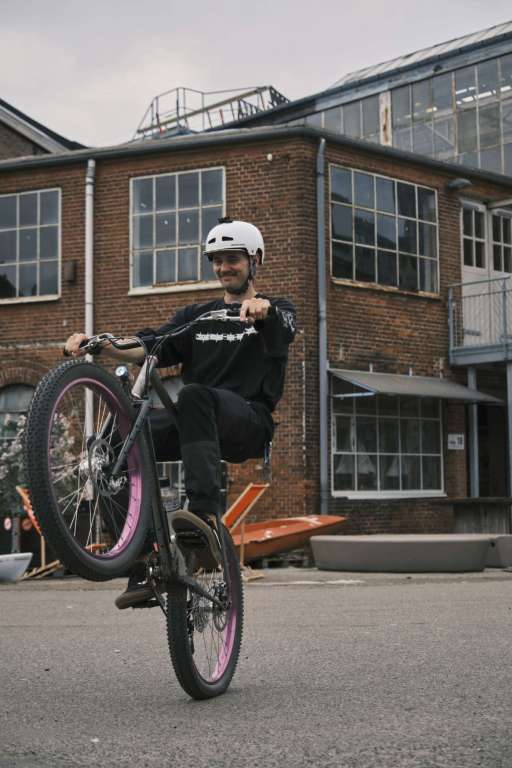
We continued riding along the coast before stopping for a meal at the harbor.
The bike Matias was riding that day was his other Beachcomber, the titanium version.
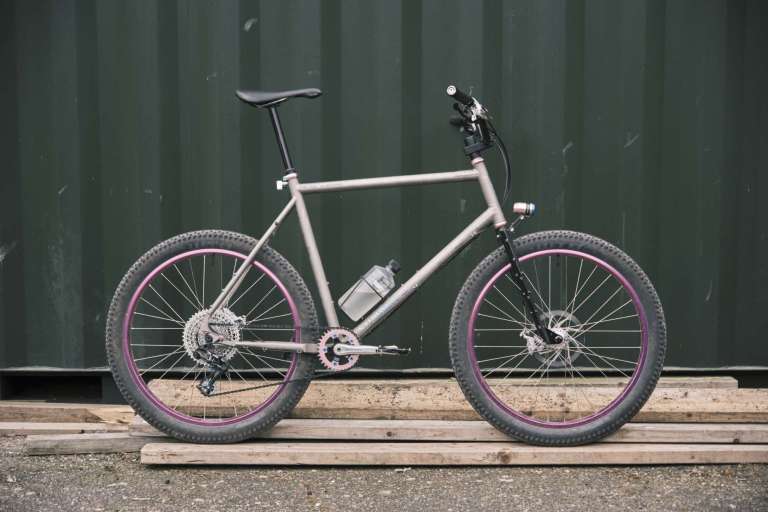
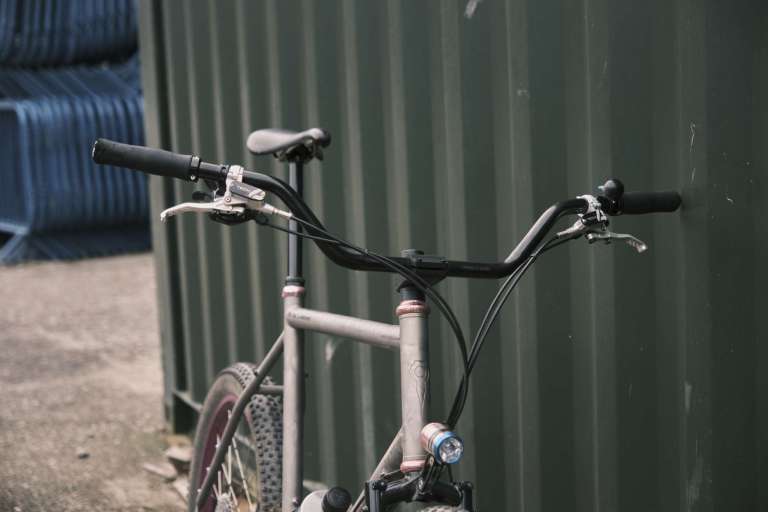
Although it was equipped with dynamo hubs front and rear, this bike was built in almost the complete opposite direction from his Dad Bike.
With its lightweight setup, I’d call it more of a play bike.
Watching Matias ride it, the bike looked almost effortless to handle.
Of course, titanium is naturally lightweight, but this really looked like an incredibly fun frame.
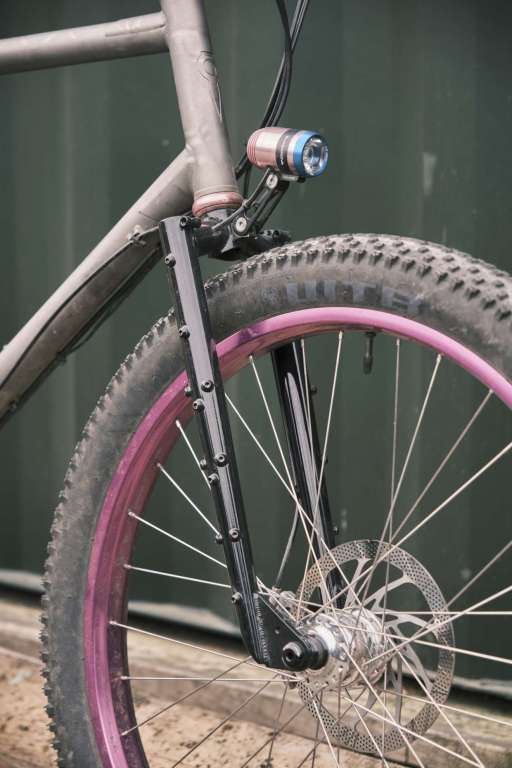
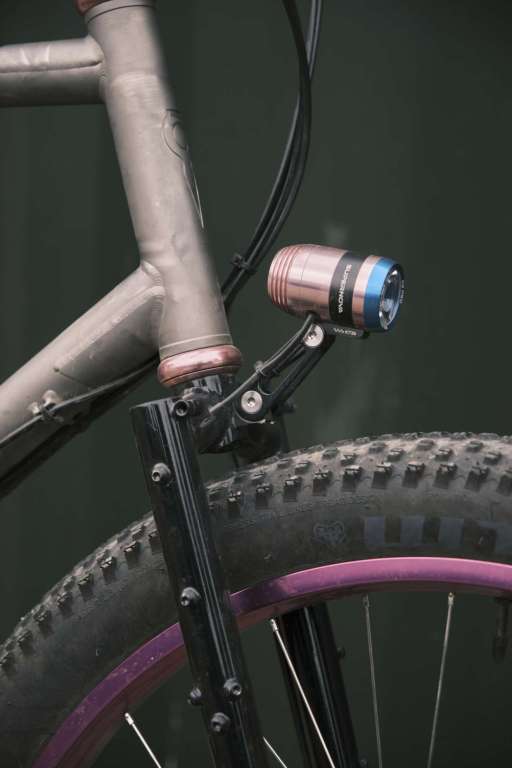
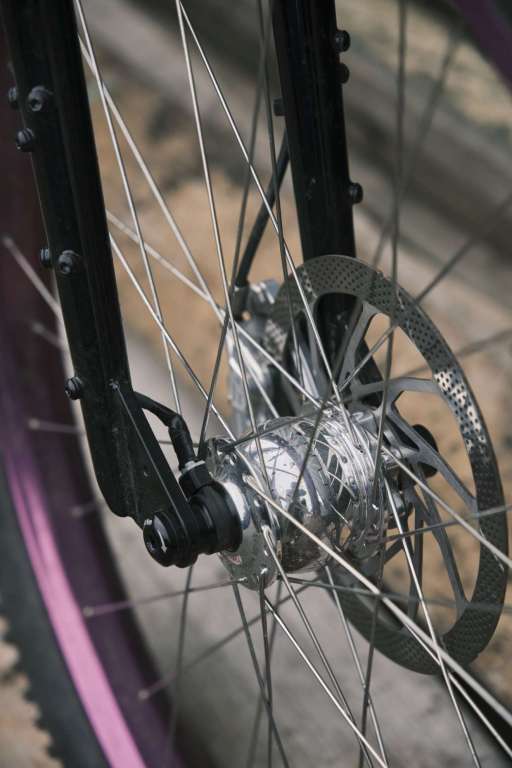
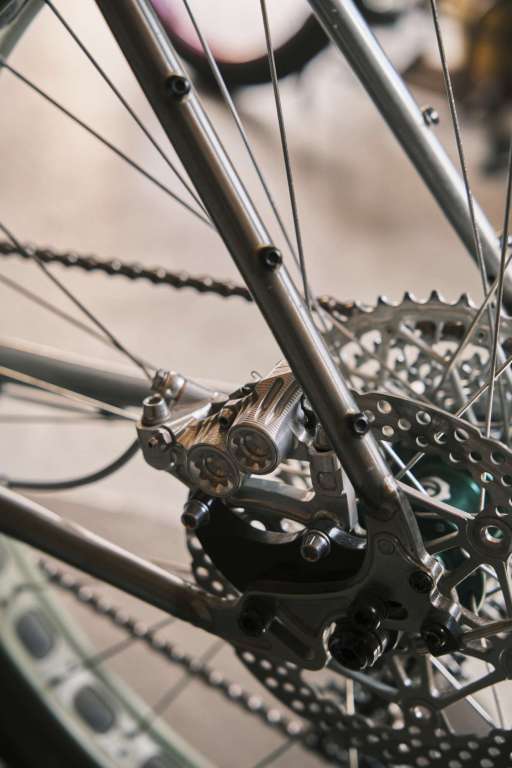
He had modified the SON dynamo wiring to use Shimano-style connectors, making it easier to disconnect and reconnect.
That’s the kind of modification you’d only think of if you were constantly working on bikes.
It’s just one small example, but I felt like it gave me a glimpse into Matias’s mindset as a designer and developer.
Improving things to suit his own needs, creating something that doesn’t exist yet and turning ideas into actual objects.
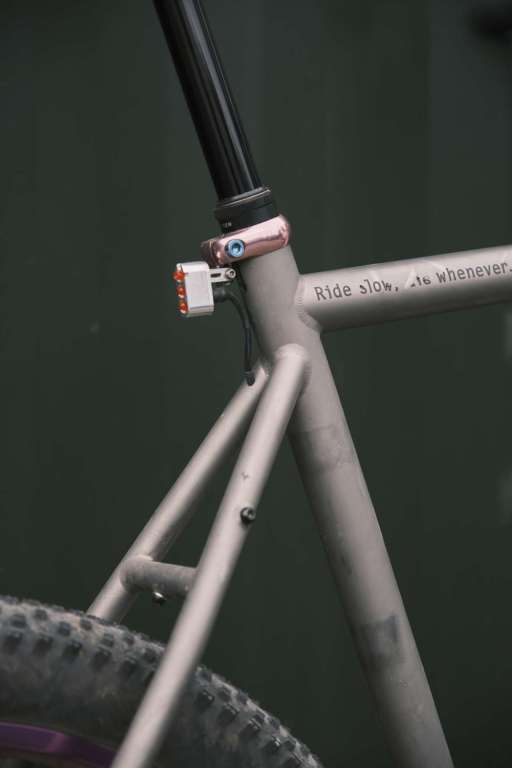
A drilled hole for routing the rear dynamo wiring.
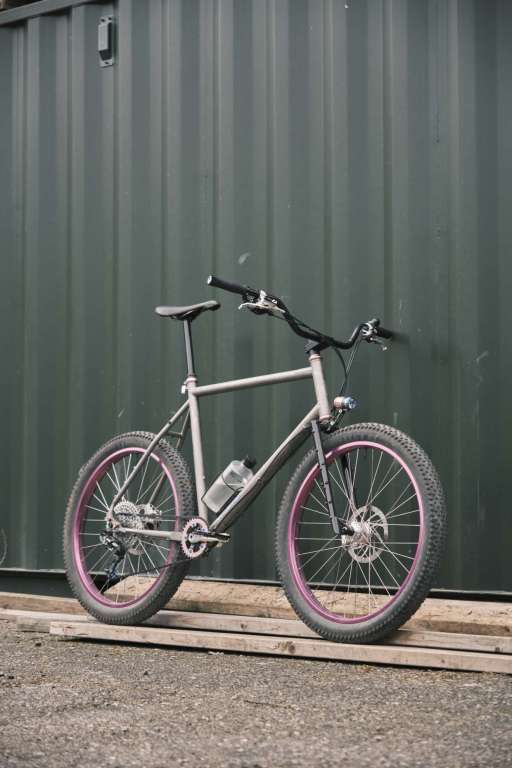
A Dad Bike and a play bike.
These two Beachcombers perfectly represent two different kinds of practicality in Matias’s world.
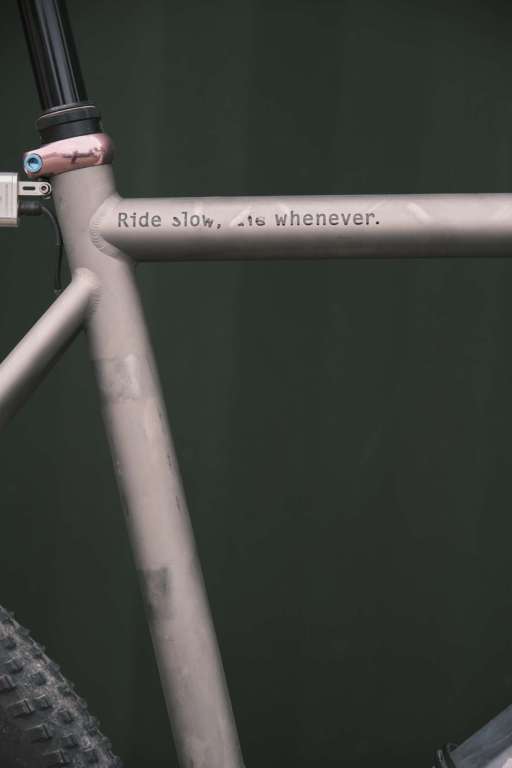
Lastly, I want to talk about STRIDSLAND’s slogan:
“Ride slow, die whenever.”
It’s a playful expression that flips the famous phrase “Live fast, die young” on its head.
After spending time with Matias and getting a feel for the world of STRIDSLAND, I think the message is something like this:
“Take your time and enjoy the ride. We’re all going to die someday anyway.”
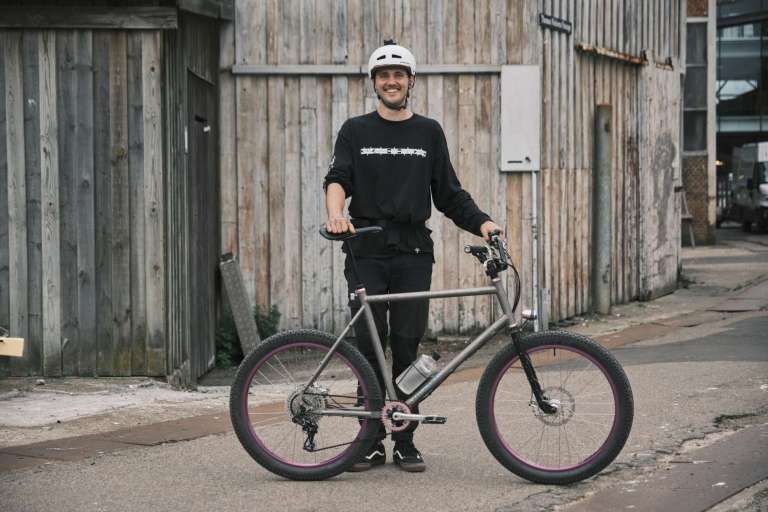
After this visit, I think I might try slowing down a little myself.
Matias, thank you so much for showing us around the places that mean so much to you