My Private Surly Research. Steamy.
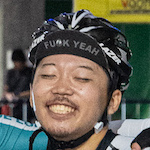
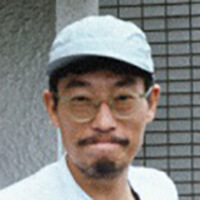
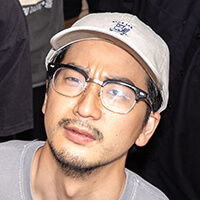
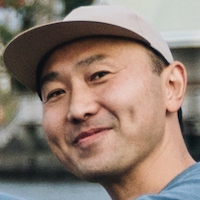
Let’s line up the history of my very own Steamroller.
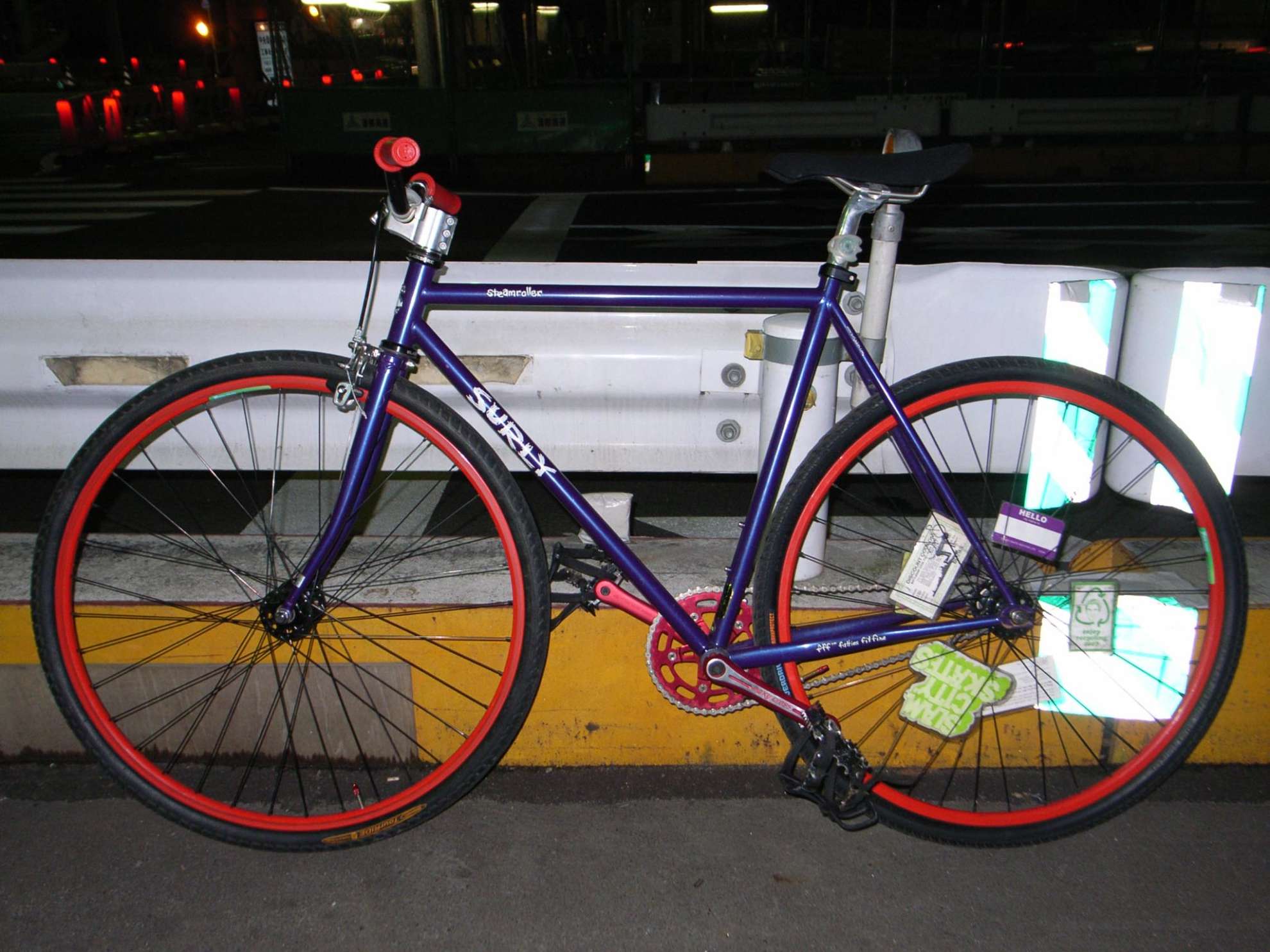
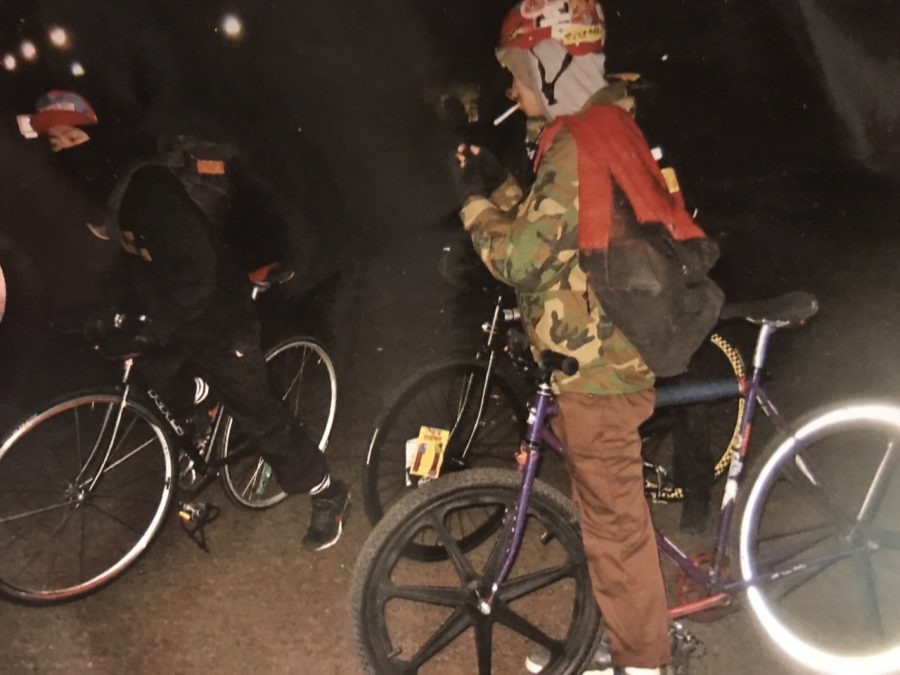
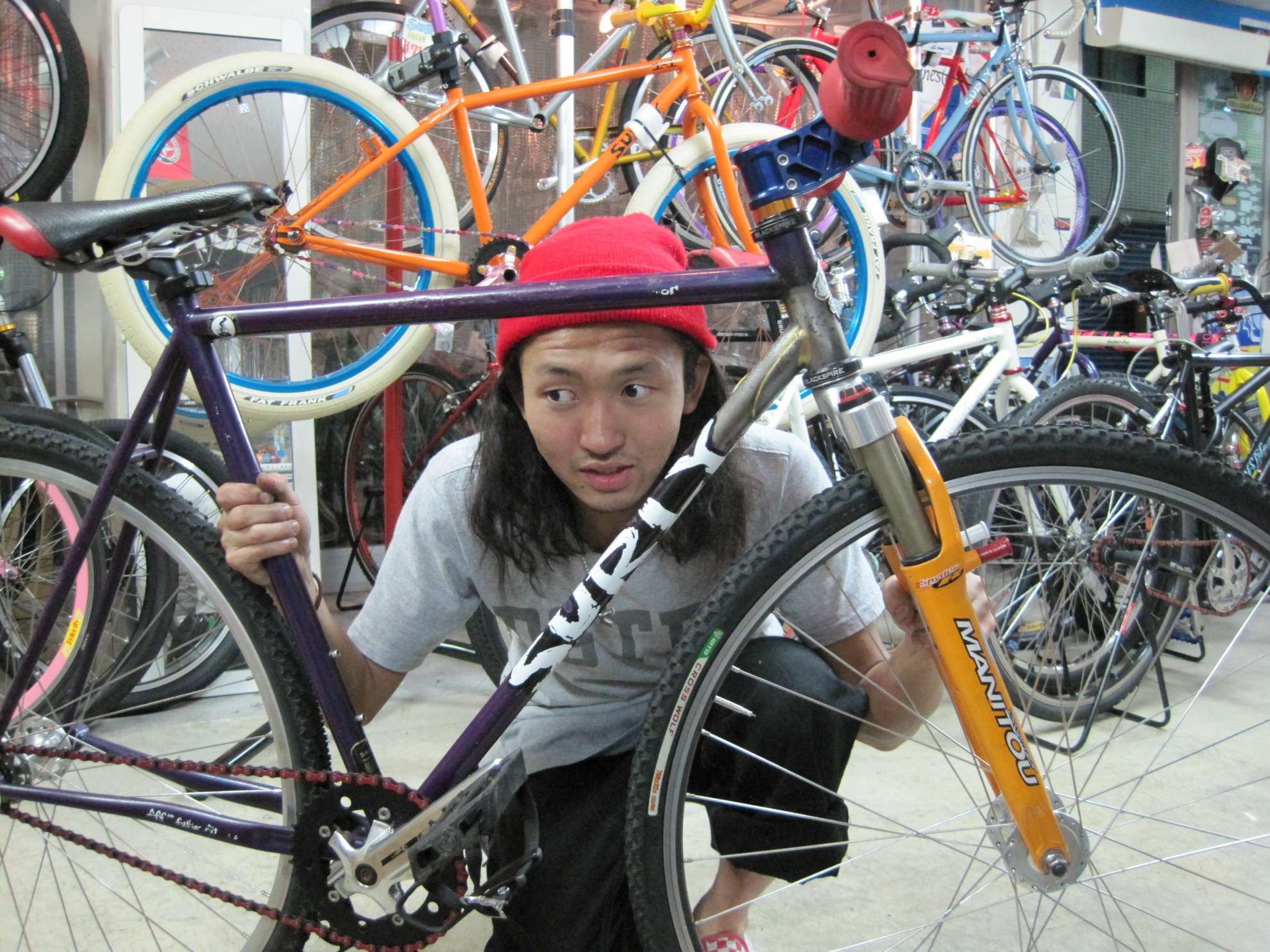
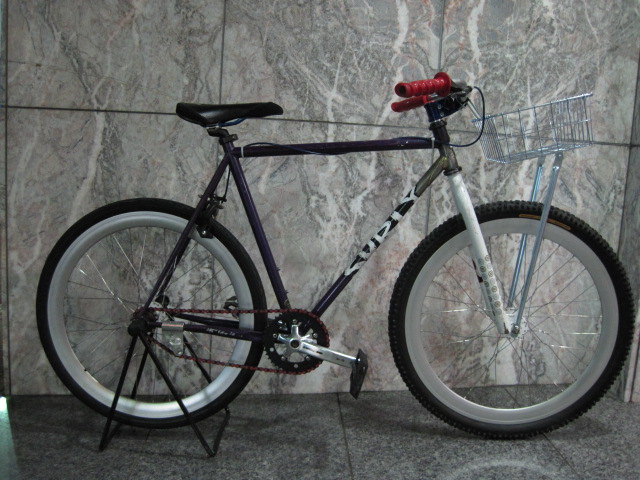
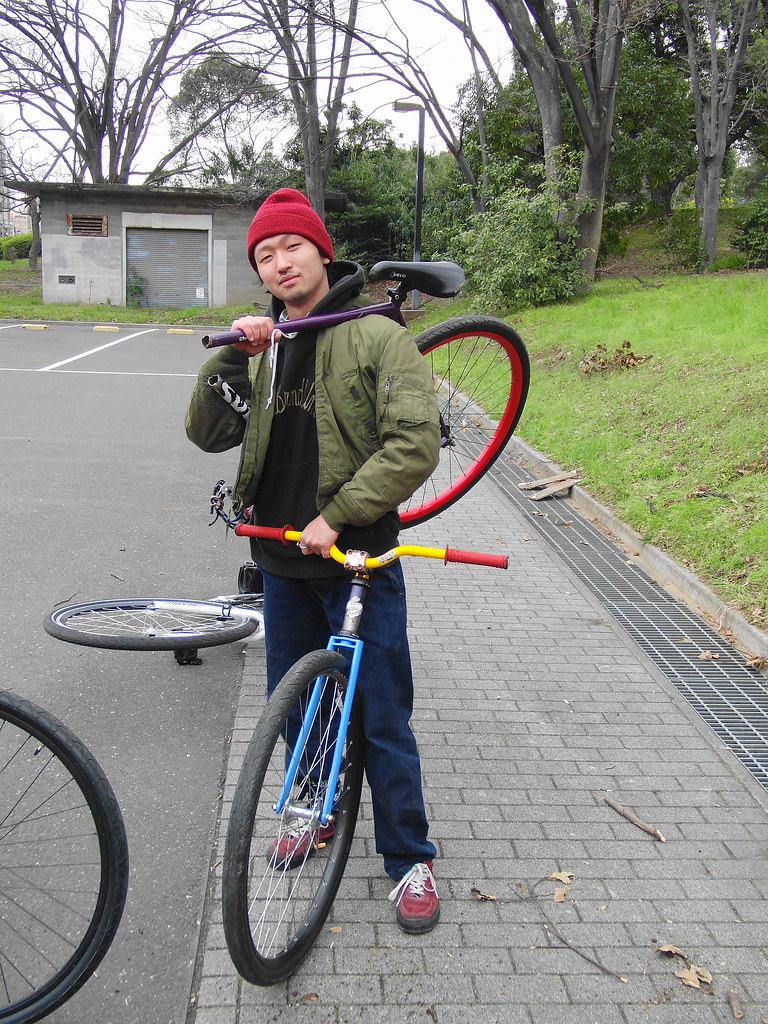
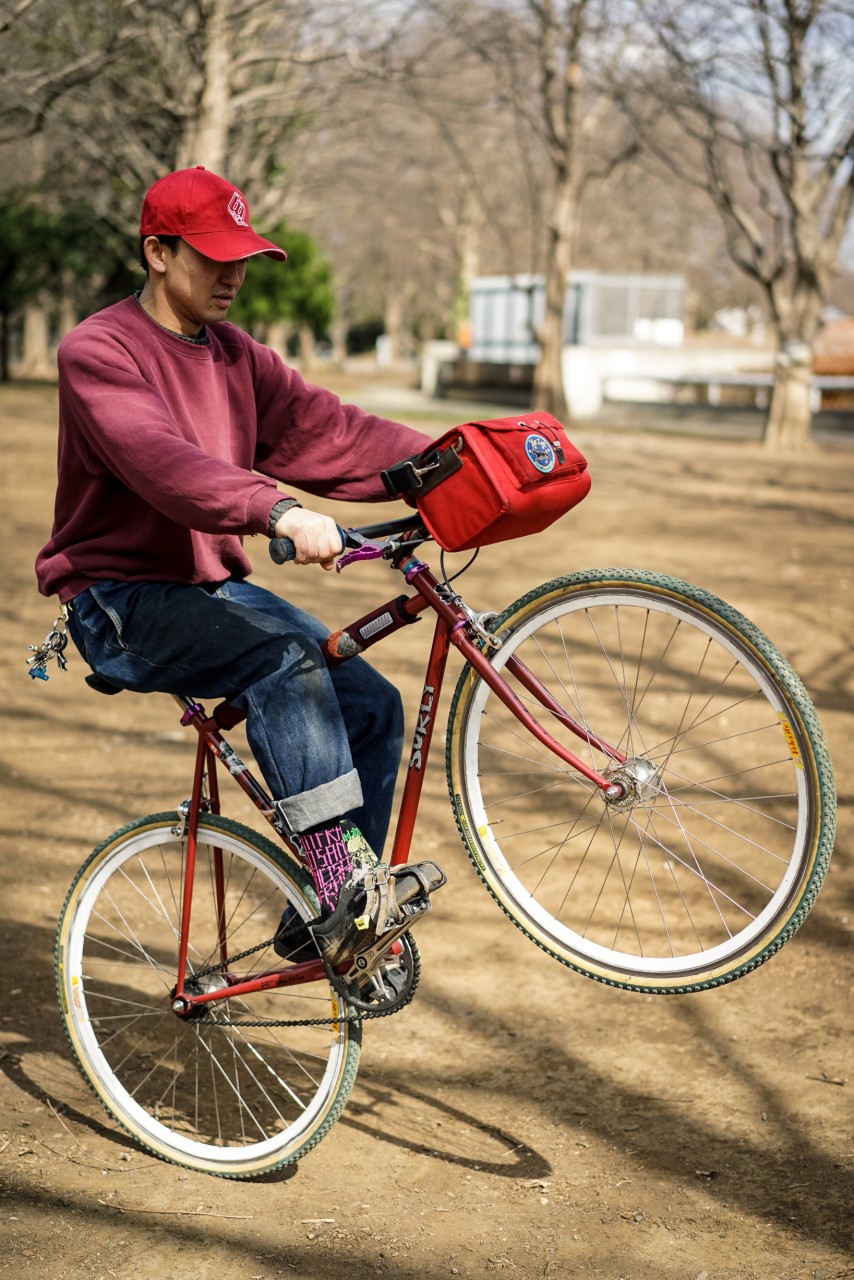
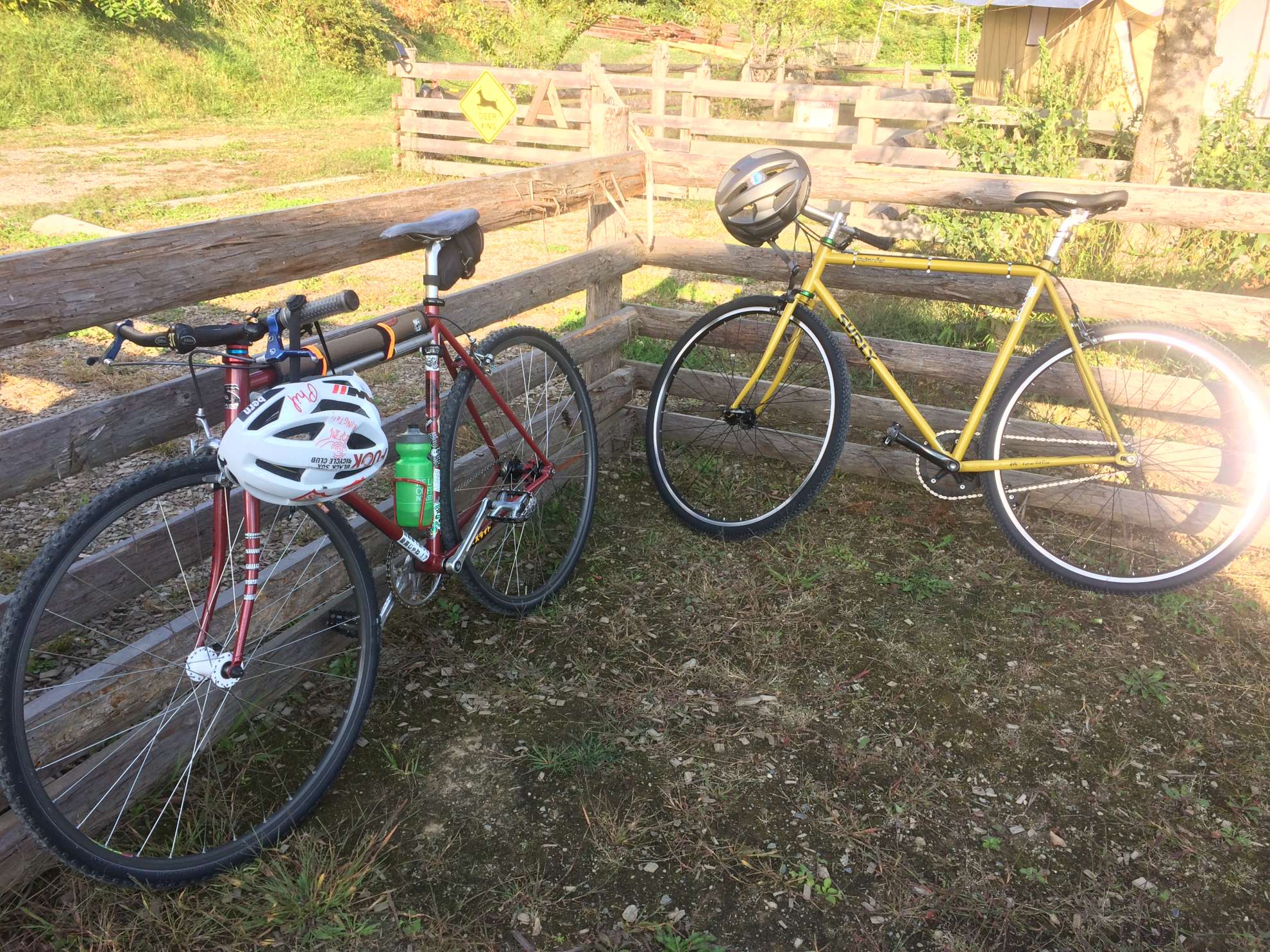
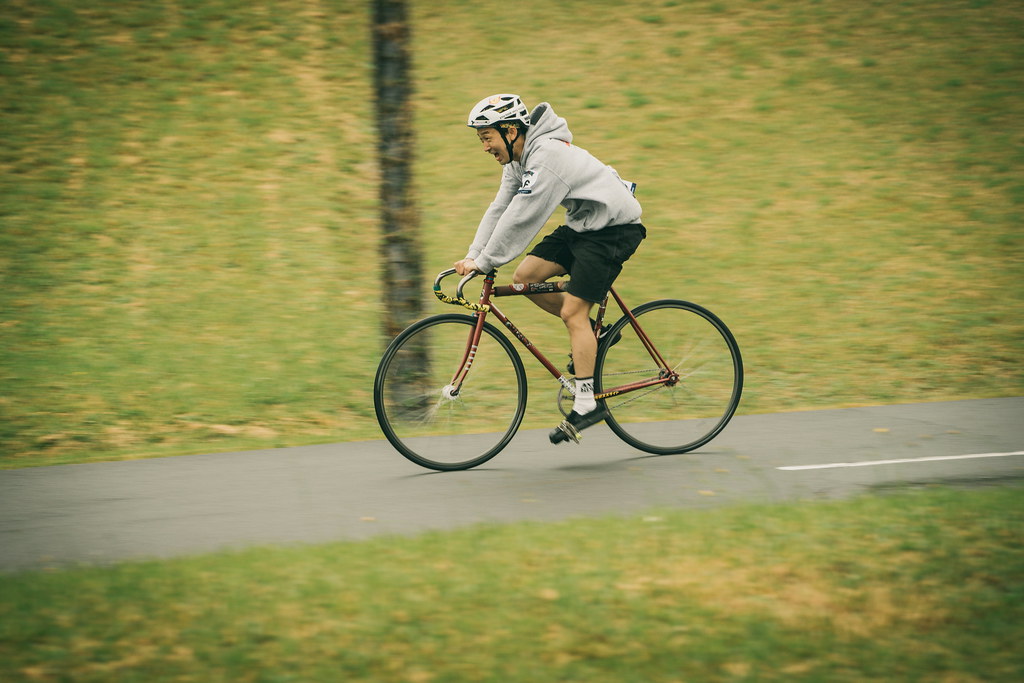
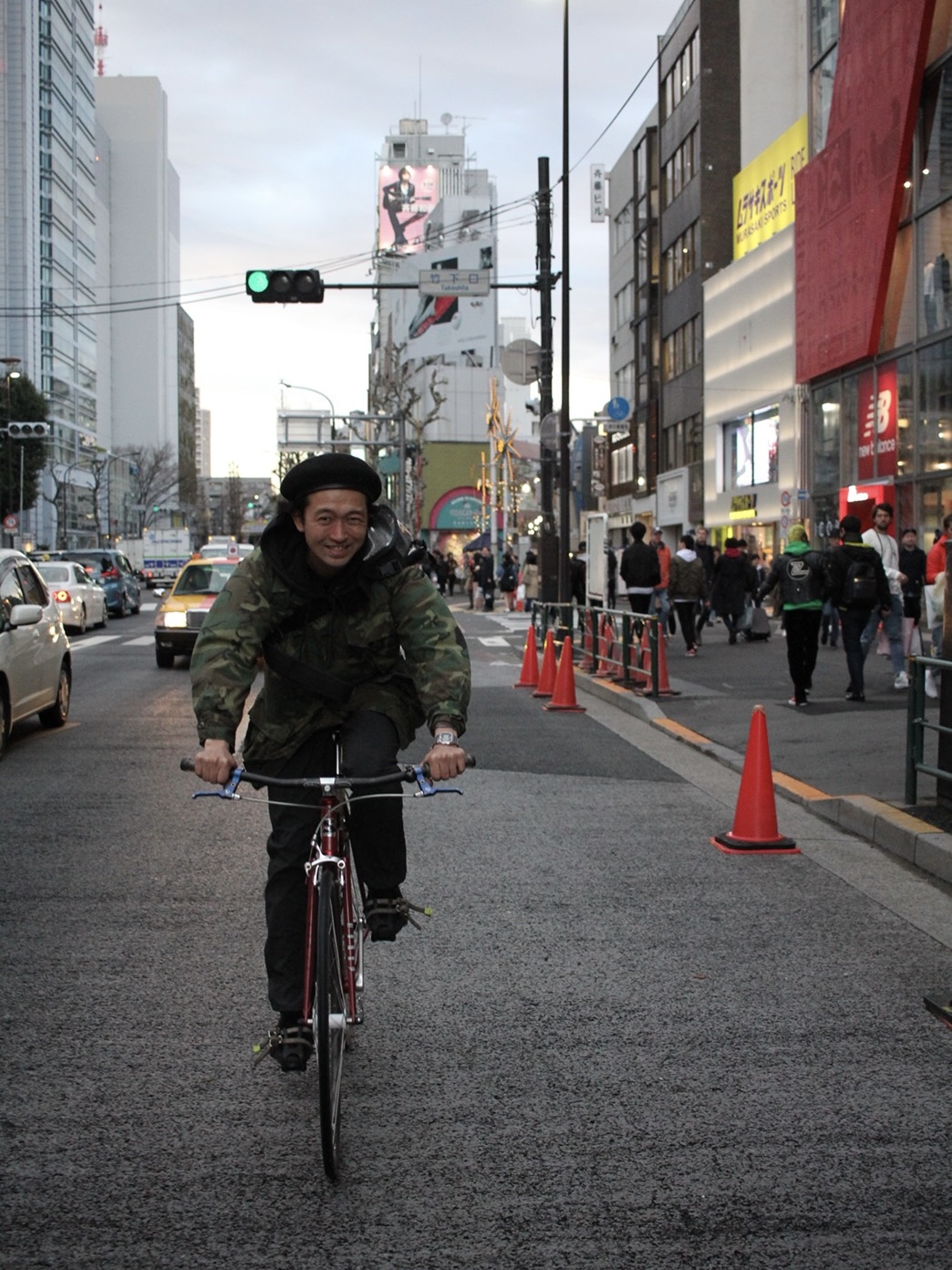
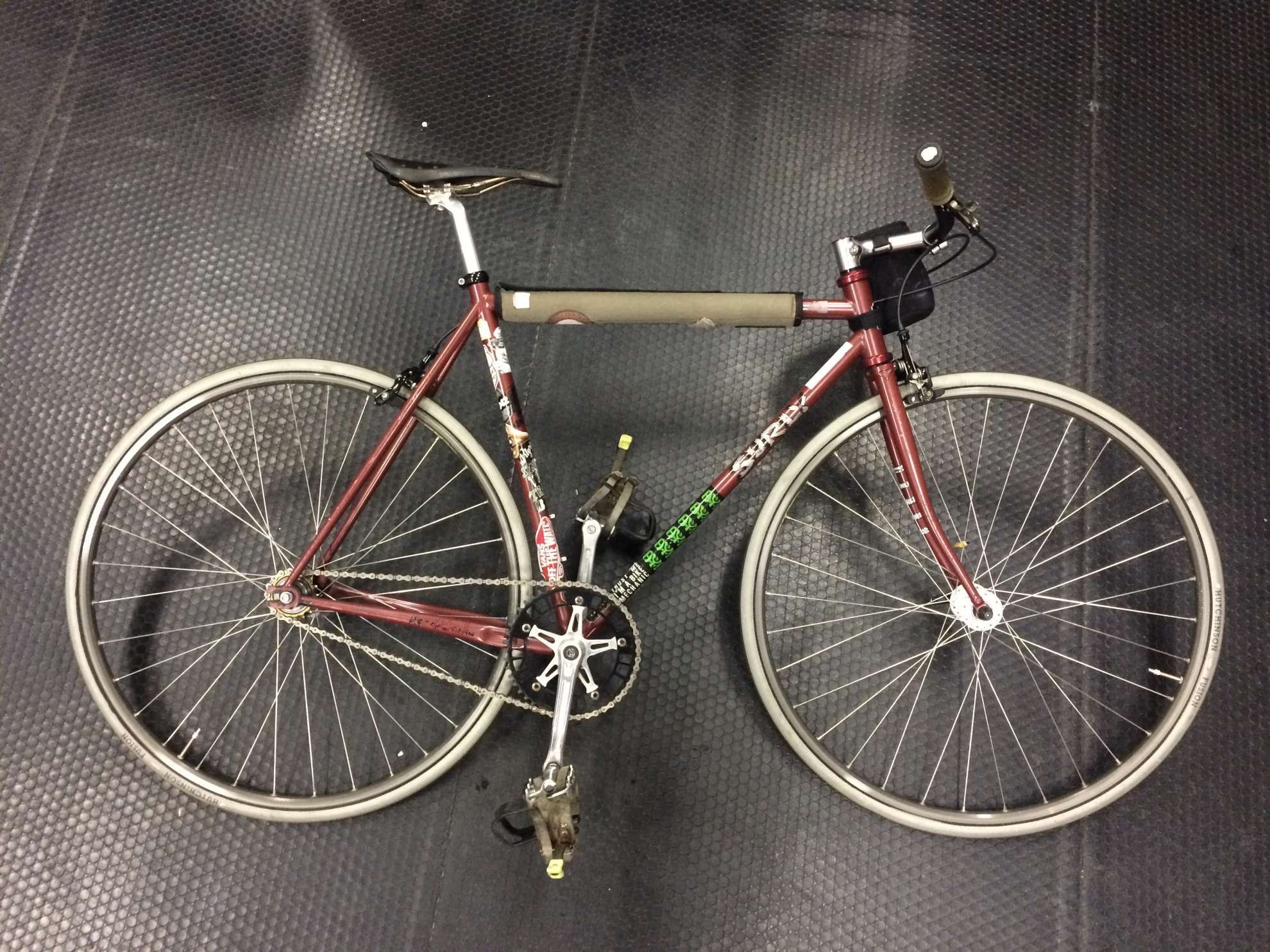
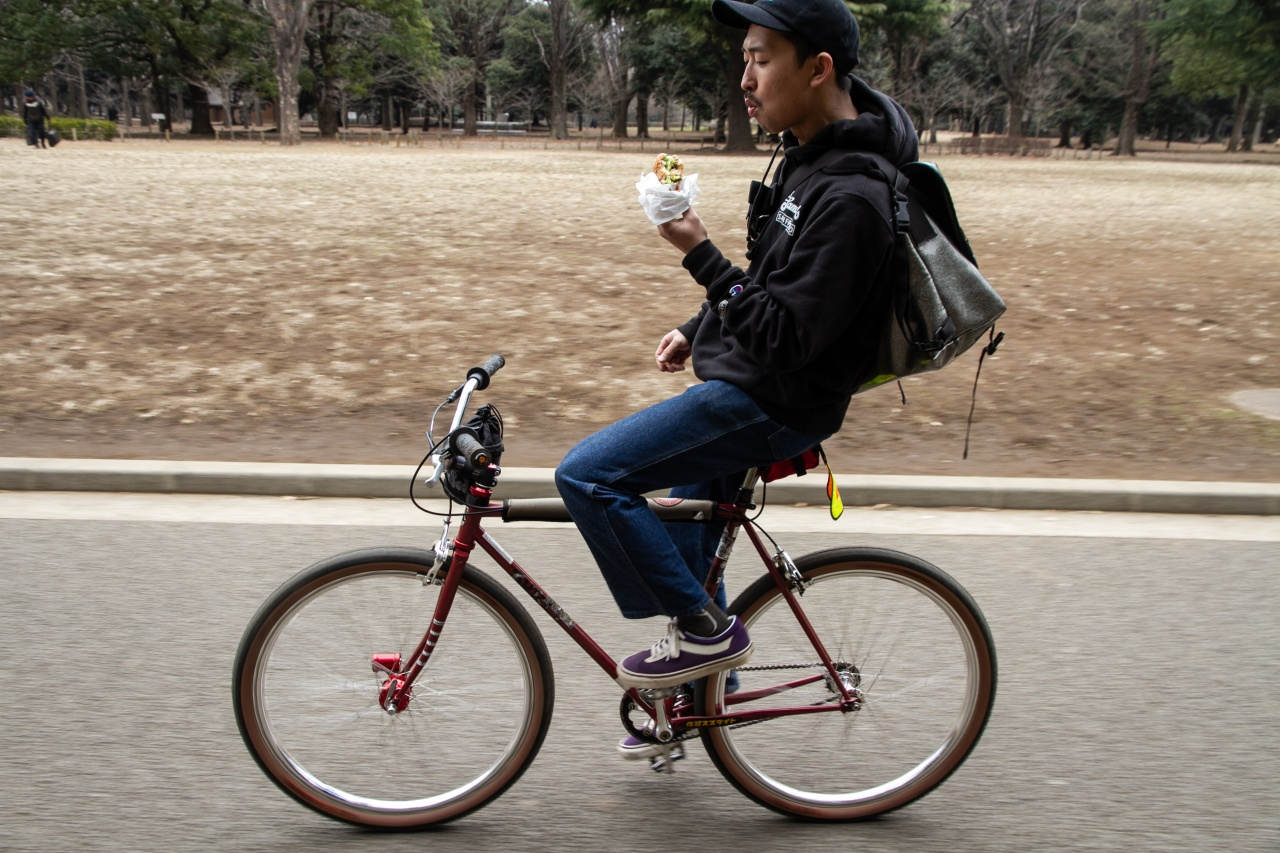
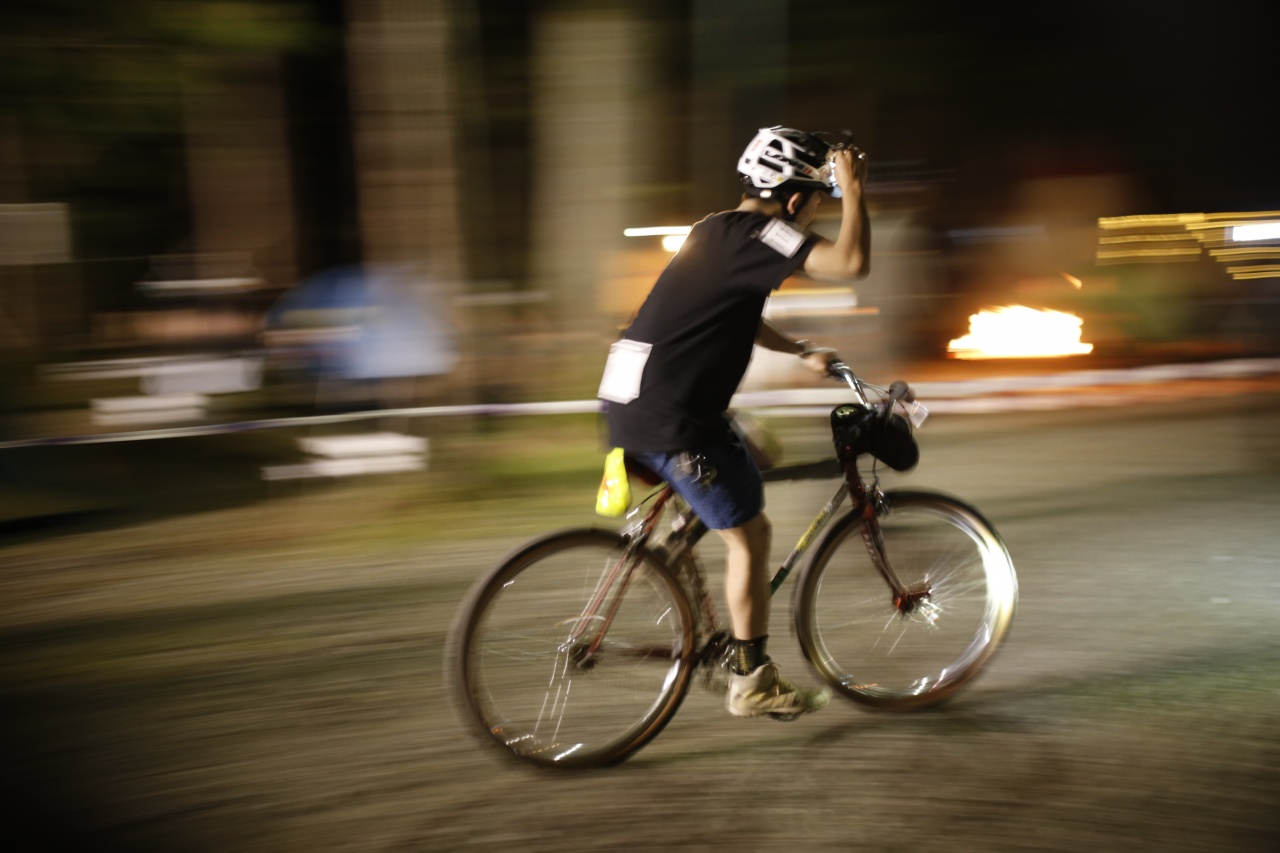
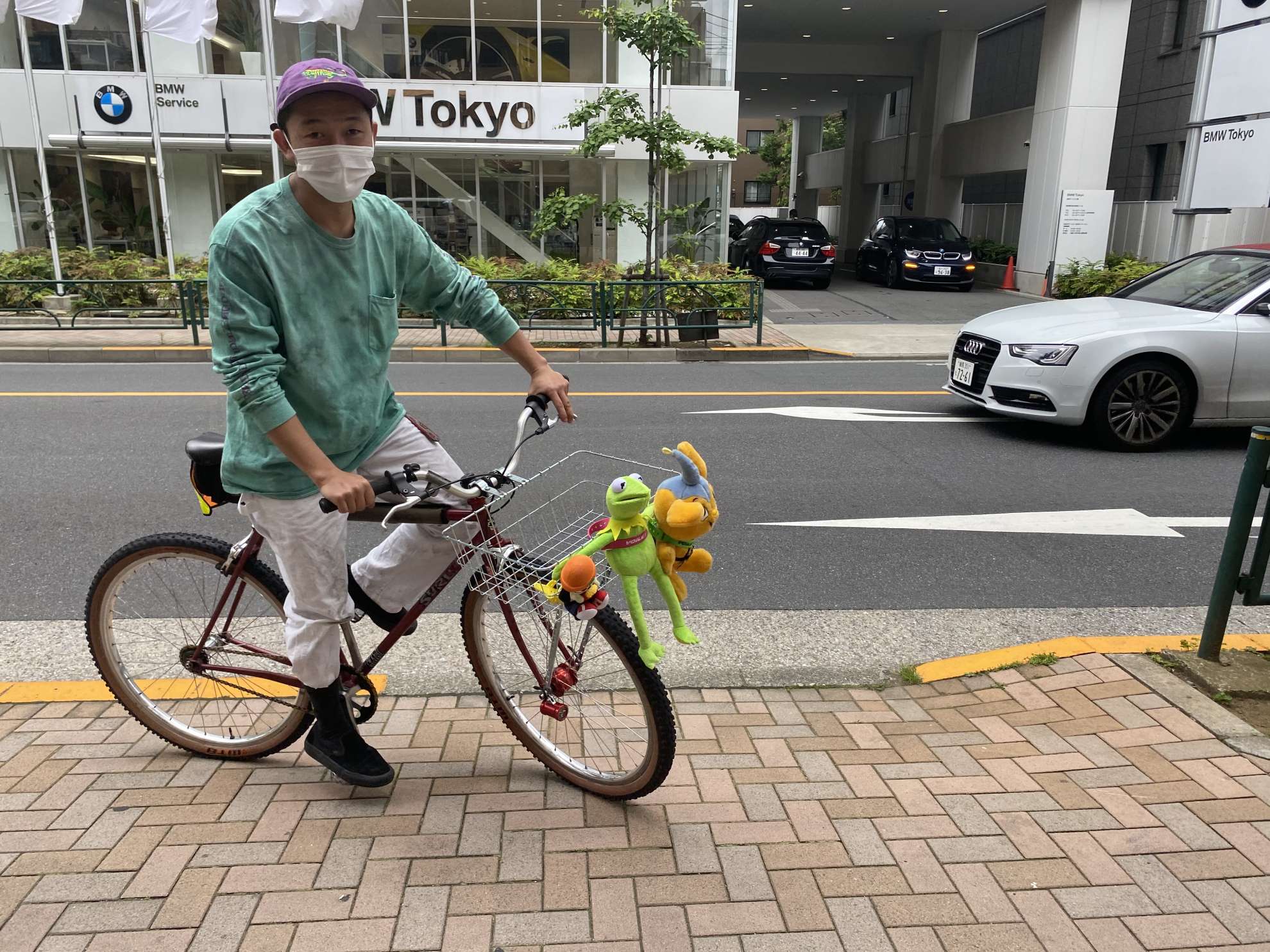
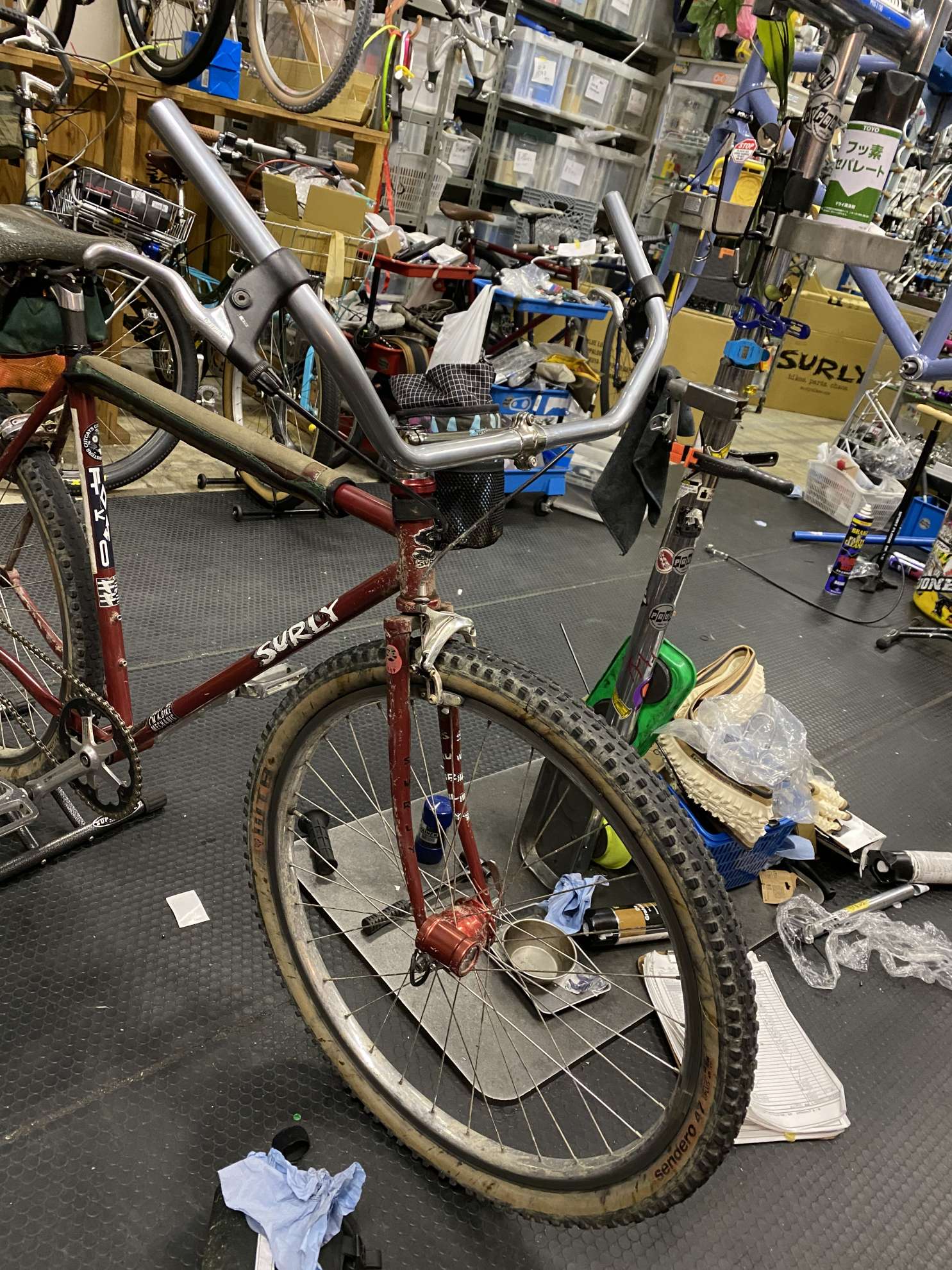
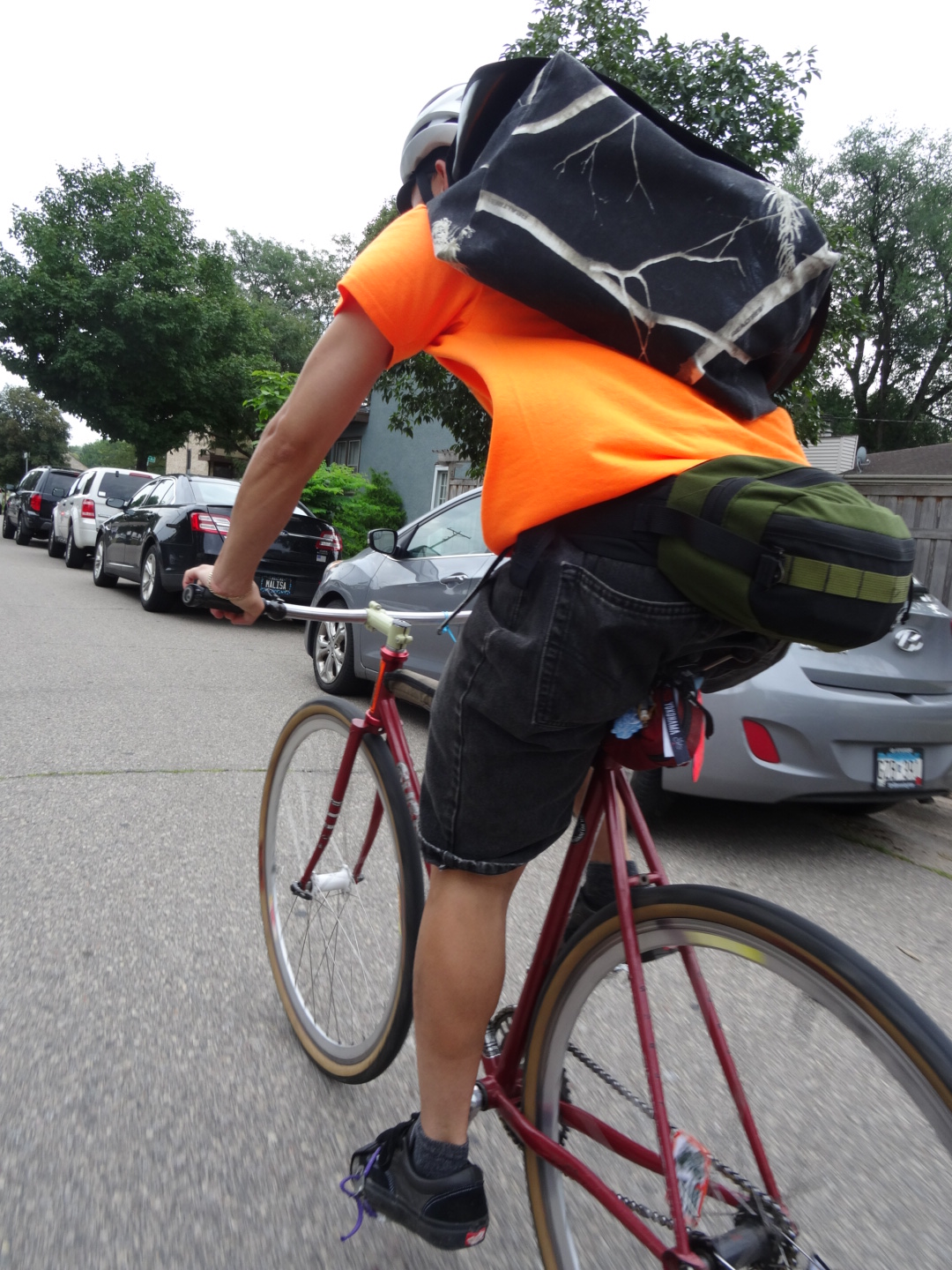
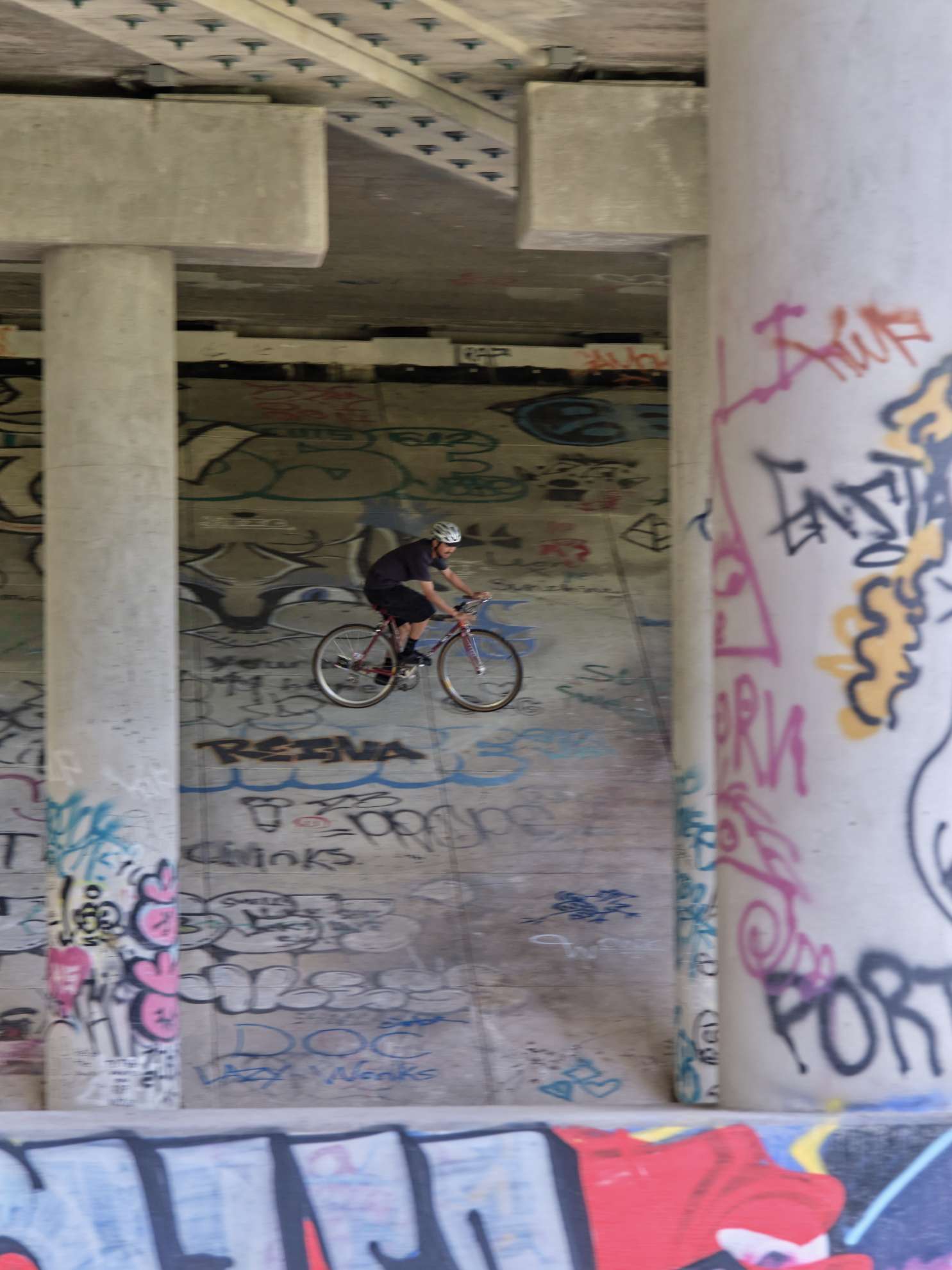
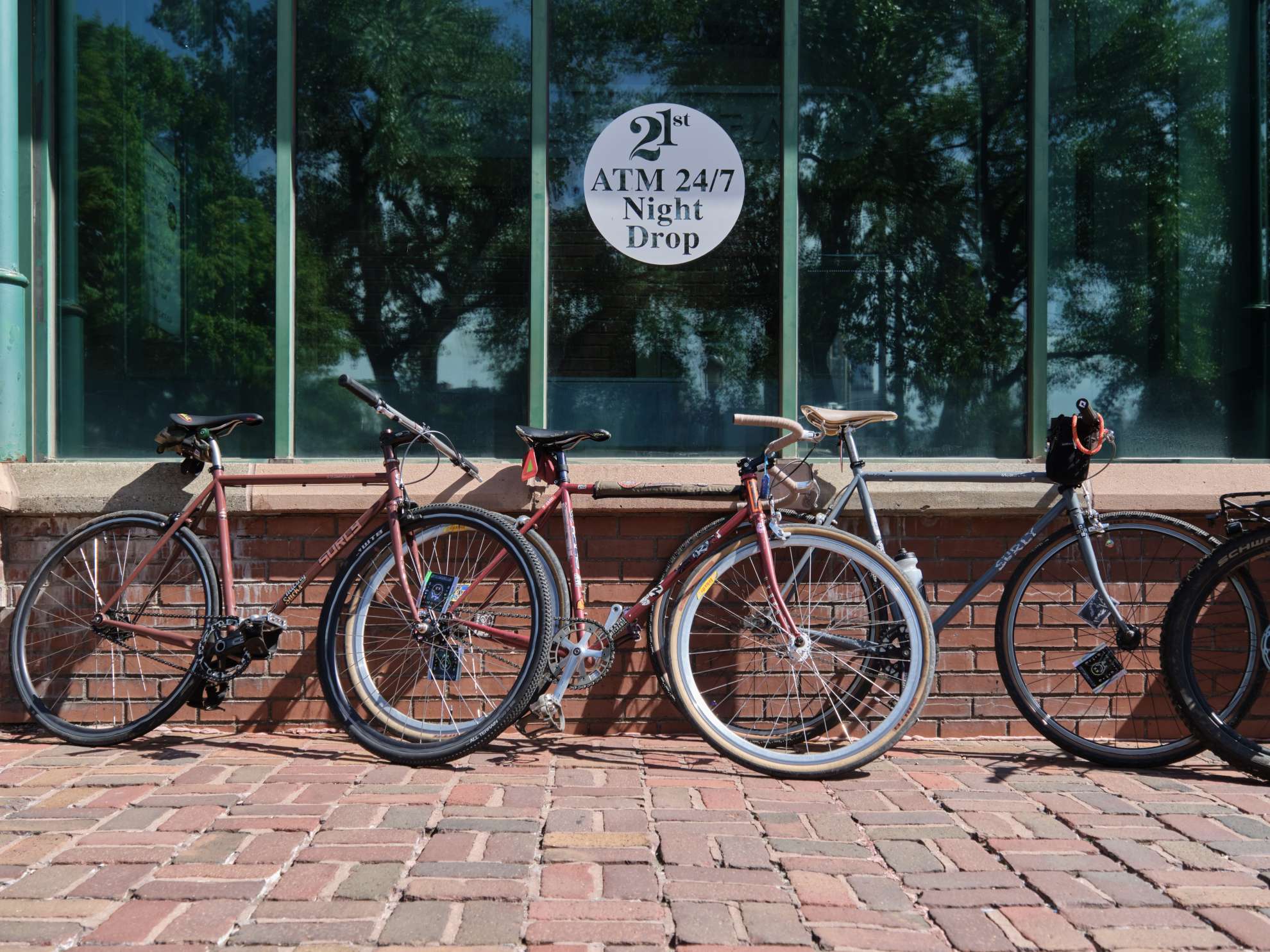
Looking at them all together, I realize that the only times I actually built it like a “normal bike” were the very first build and the most recent one.
At the same time, seeing these photos brought back so many memories from different points in my life.
The friends I hung out with, the things I was into, the places I wanted to go, who took each photo. The excitement, anxiety, anger, and happiness I felt along the way.
And then, something else came back to me.
When I was a kid, my dad brought me a hat as a souvenir from one of his business trips. I loved that thing so much that I wore it everywhere.
I stuck patches on it, covered it with pins, scribbled words all over it. I’m pretty sure I kept wearing it even when it had gotten too tight on my head.
wore it on school trips, trips to the movies with friends, summer festivals, and even on the day I got dumped by a girl I liked.
Eventually, it just didn’t fit anymore. And sometime during junior high, when I started trying to act a little more grown-up, I stopped wearing it.
But the image of that cap in my head hasn’t changed one bit.
I still think it’s the coolest thing in the world and I’ve bought and collected plenty of similar caps as an adult.
I’m sure every one of them carries its own memories, but because those memories are spread across so many different things, they feel scattered all over the place.
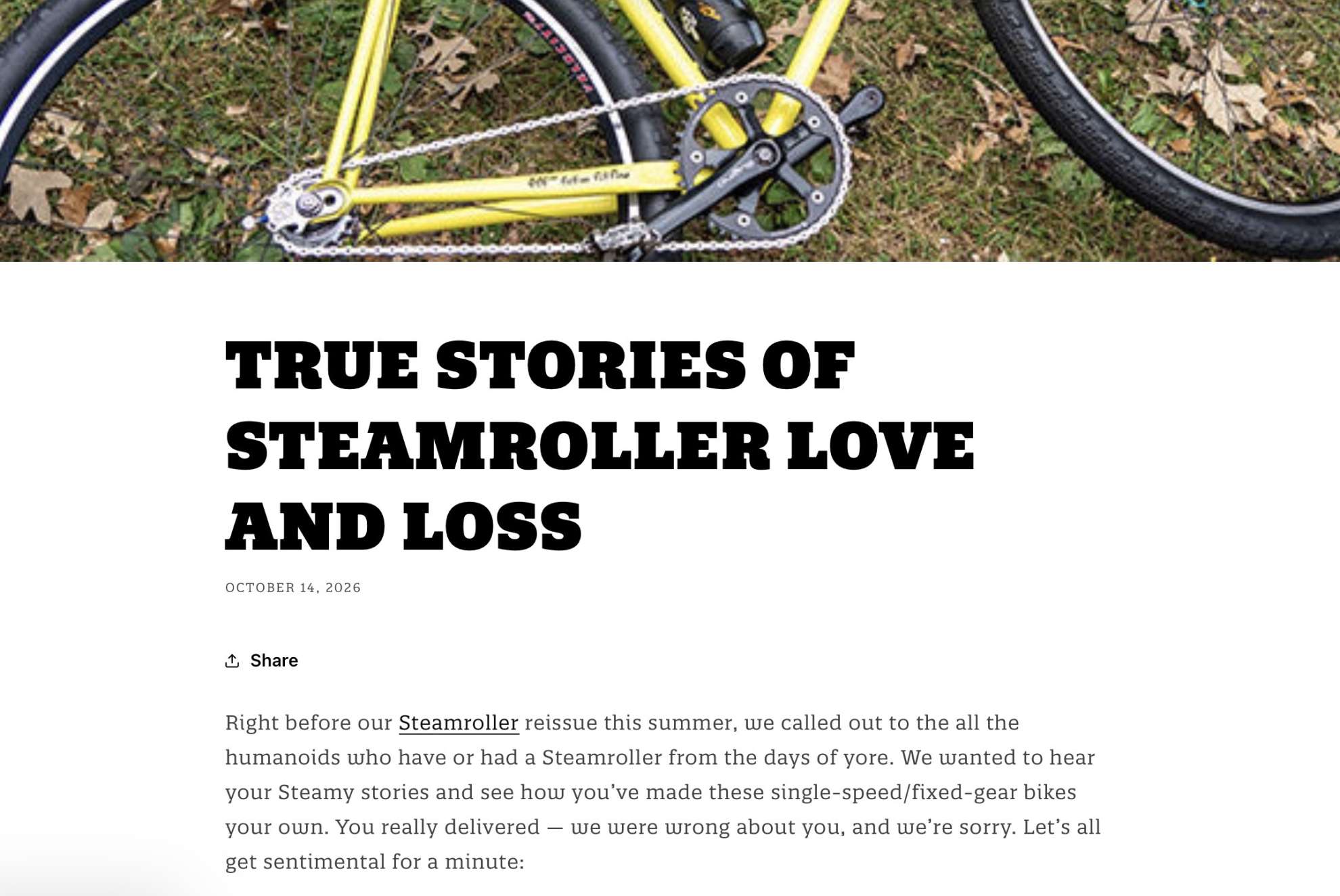
Some were students when they owned theirs. For some, it was their very first bike. Some had crashed theirs. Others had theirs stolen.
What they used their bikes for. Where they went. Who they met. What they felt. The things they broke, the things they built, and all the different ways they rode.
These tiny memories, insignificant when measured against the scale of the entire planet, were so vivid that I could almost picture them as if they were my own.
If I were to throw out a brutally honest thought, maybe one bicycle is all a person really needs.
After all, we only have one body and one mind.
But I have desires. Curiosity. I want to play around with bikes. They’re also my job. And bicycles themselves keep evolving.
After all, we only have one body and one mind.
But I have desires. Curiosity. I want to play around with bikes. They’re also my job. And bicycles themselves keep evolving.
And as I sit here writing this blog, the bike that suddenly makes me want to disappear somewhere, anywhere, is, ironically enough, the Steamroller.
In a way, it’s one of the very things responsible for the obsession that has taken over my life.
And at the same time, it’s the place I want to return to more than anywhere else.
I just want to jump on it, spin my legs, and ride off without a destination.
Keep searching for unfamiliar scenery, without a worry in the world, and ride as far as I possibly can.
I have a memory from a very long time ago. The three of us, my parents and I, were watching a live performance on NHK.
I remember the melodies, the way the performers moved and carried themselves. A small, smoky room, lit by warm orange light.
I was watching with my parents, who were happy together, giving me their affection as we sat there.
I don’t care what anyone says. That memory is still crystal clear. And to me, that was the happiest place in the entire world.
There is absolutely no doubt in my mind that this is where my punk spirit began.
Even if I look like a mess.
Even if people think I’m a freak.
Even if someone tells me that the things I create have no value.
As long as I have this, I’m happy.
So I’ll do whatever the hell I want. Stay out of my way.
What the hell is the point of judging everything anyway?
Just shut up and watch.
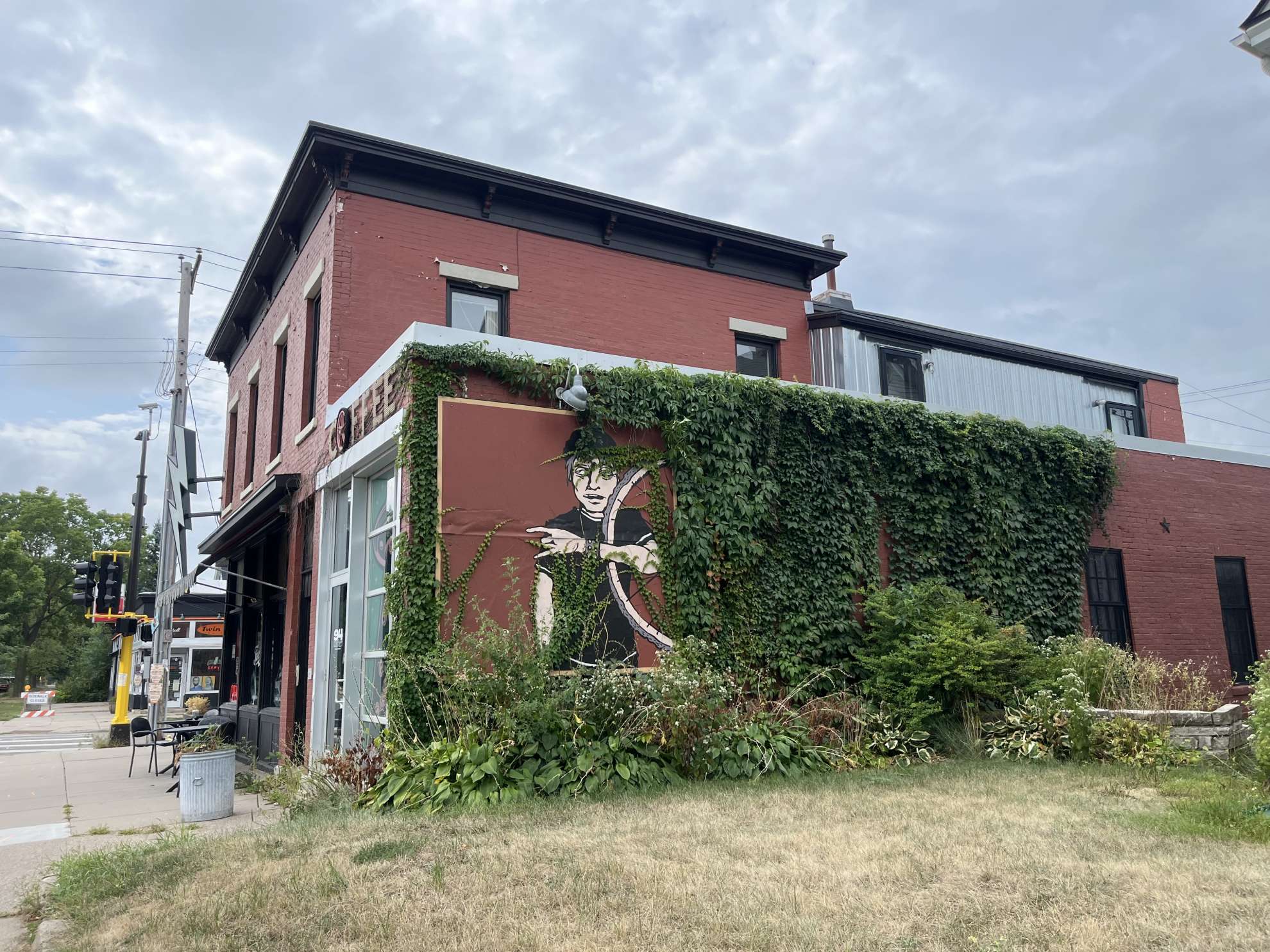
That’s how I discovered punk.
And having found punk that way, how could I possibly not connect with the punk spirit I heard about in that faraway place?
I originally thought I’d spend this blog digging deeper into the STEAMROLLER itself. But you know what? Not today.
Instead, I want you to join me in thinking about the words I heard about this bike. Words that hit me so directly and so deeply.
That’s what today’s blog is about.
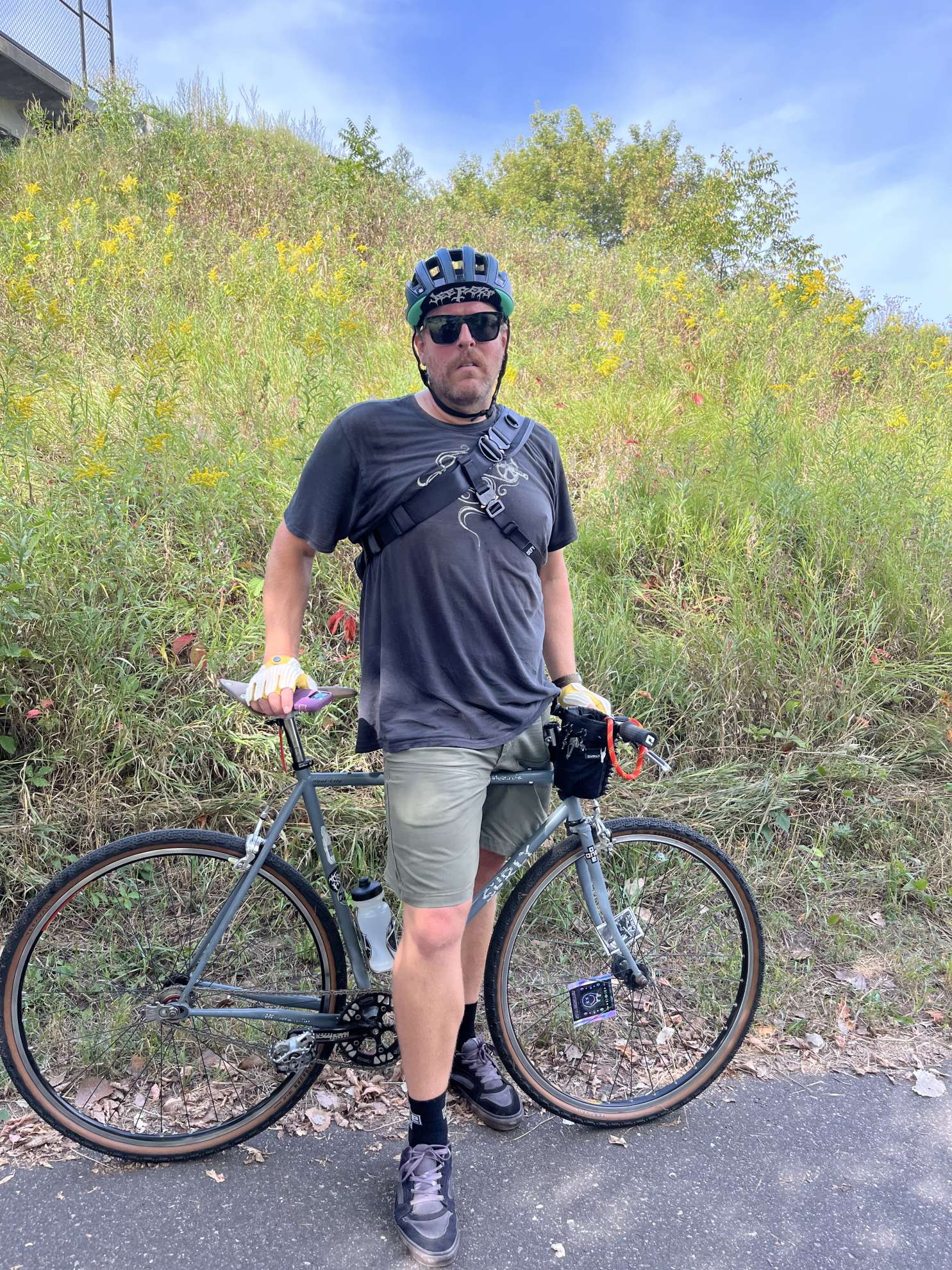
Matt is a member of the SURLY team.
Although he joined the brand relatively recently, he’d already spent more than ten years working at QBP and has lived in Minneapolis for over twenty years.
And as he took us on a journey through the history of the STEAMY, the affectionate nickname they use for the STEAMROLLER, I found myself constantly fighting back tears.
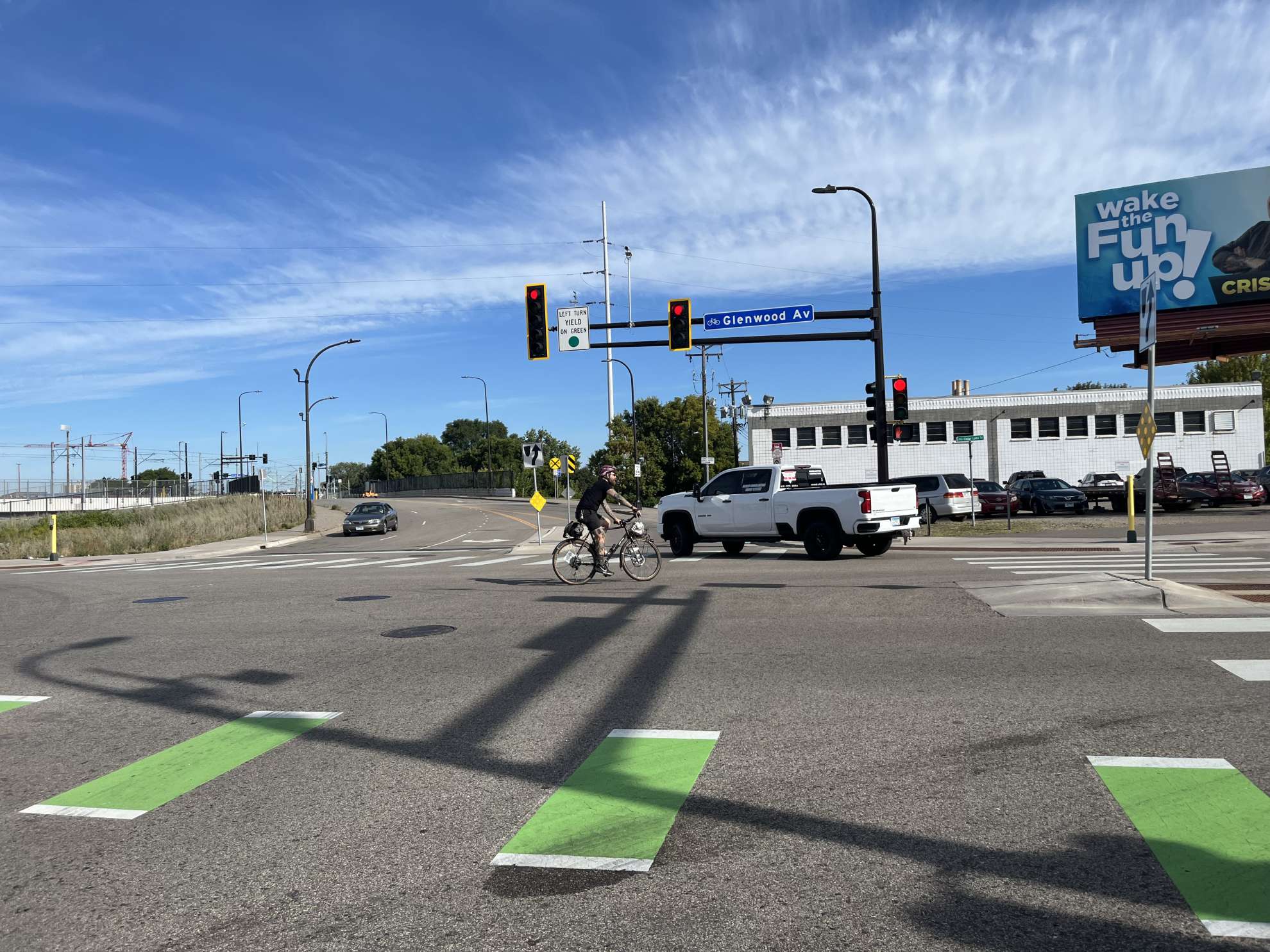
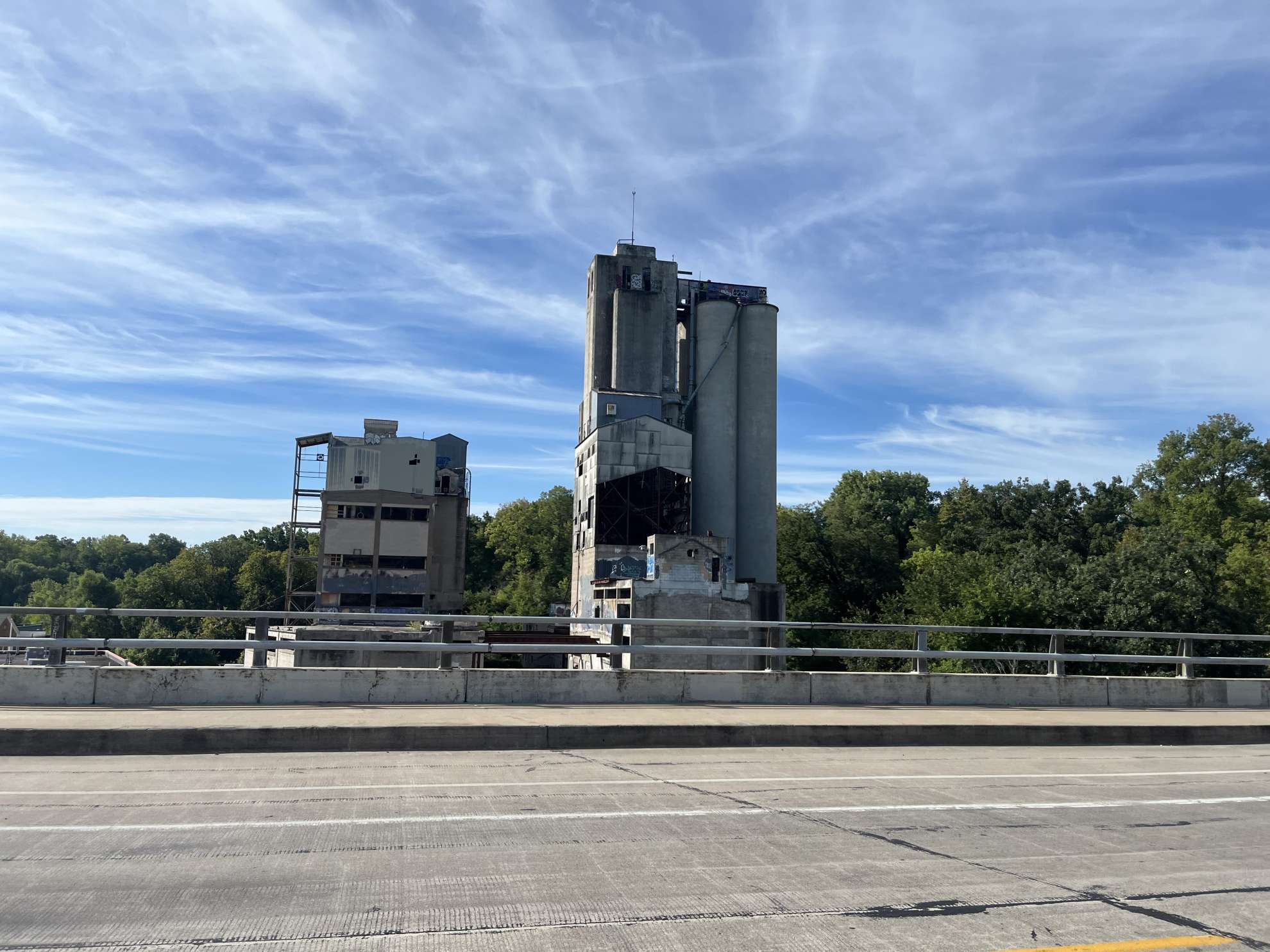
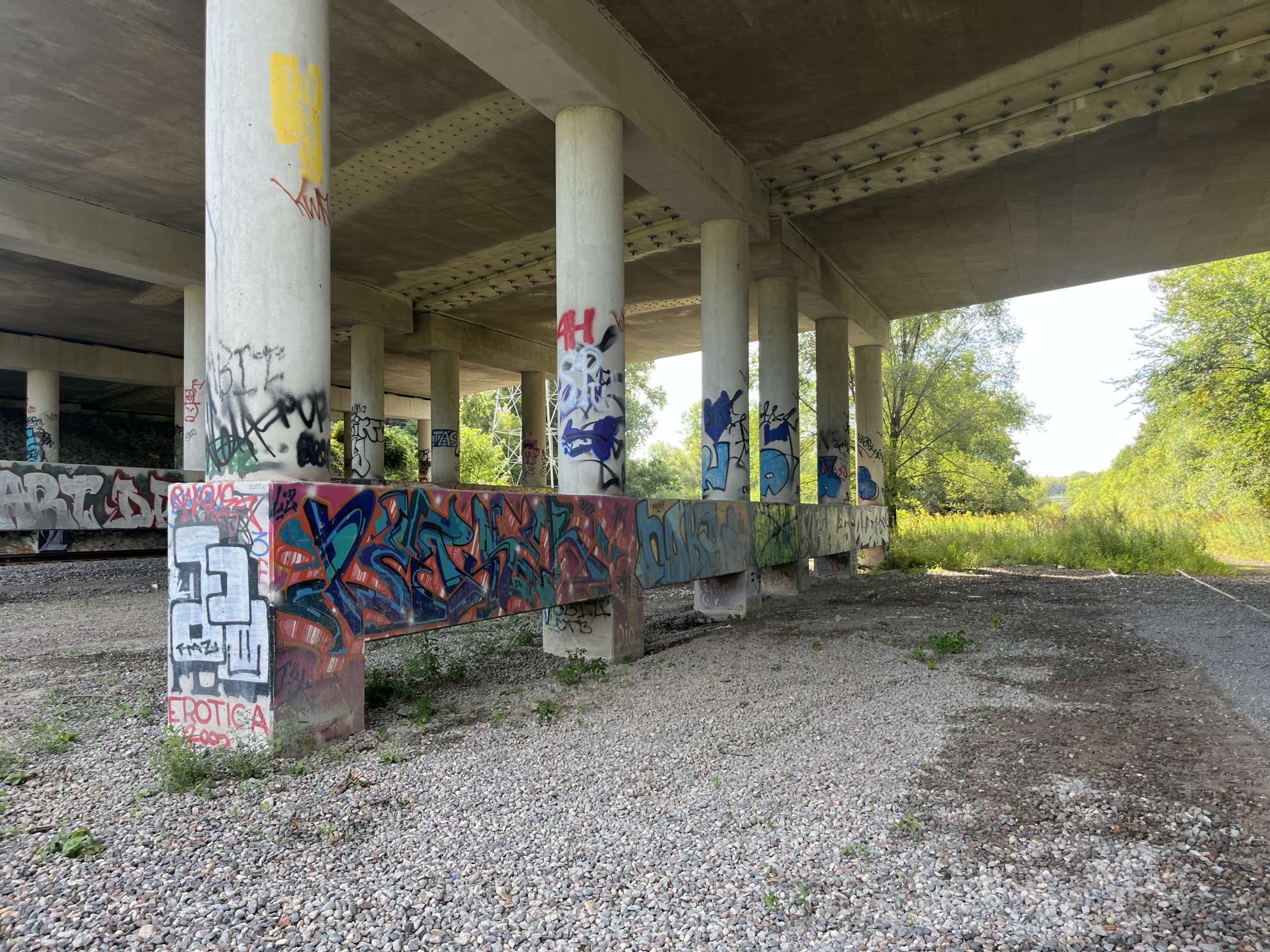
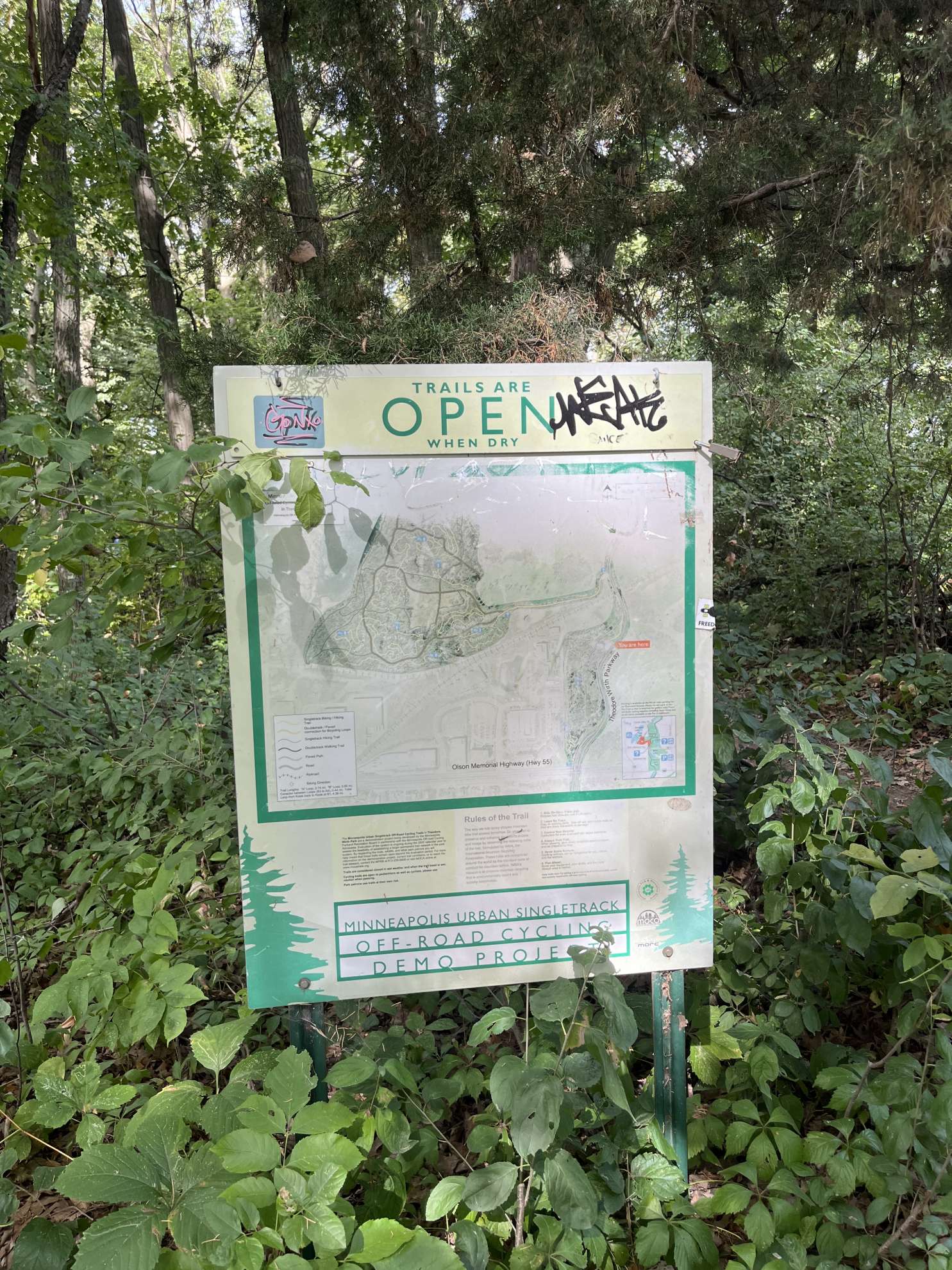
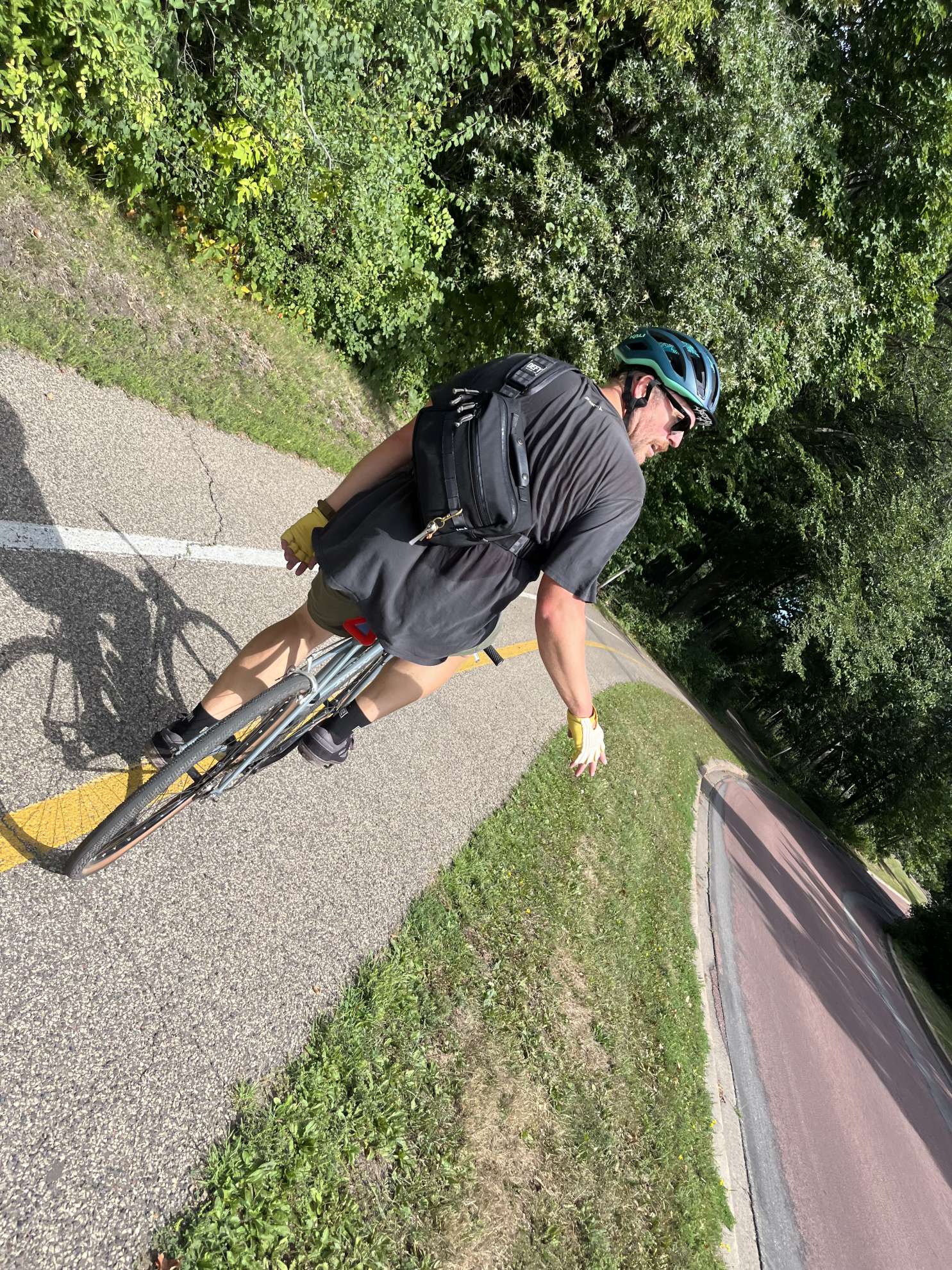
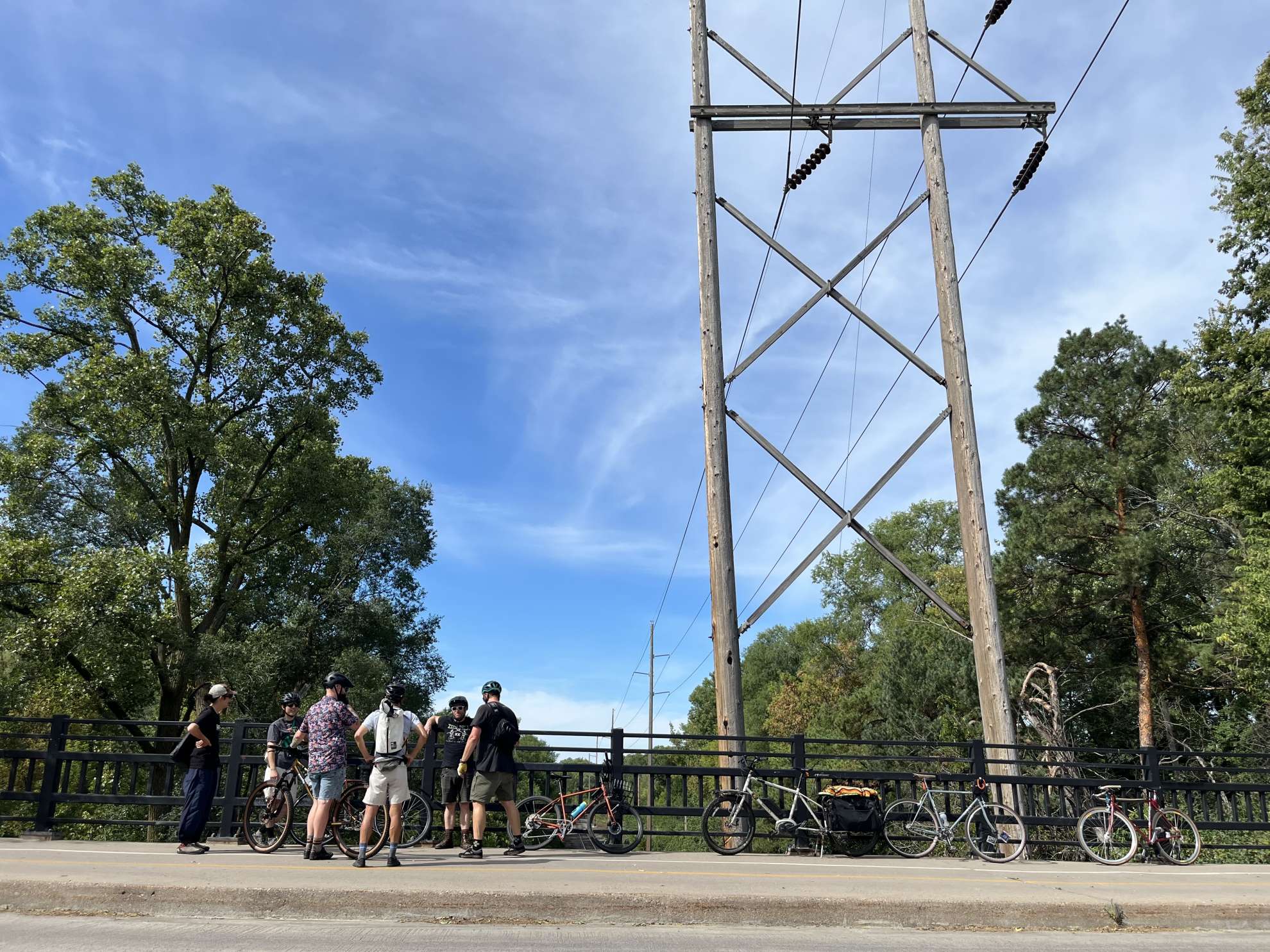
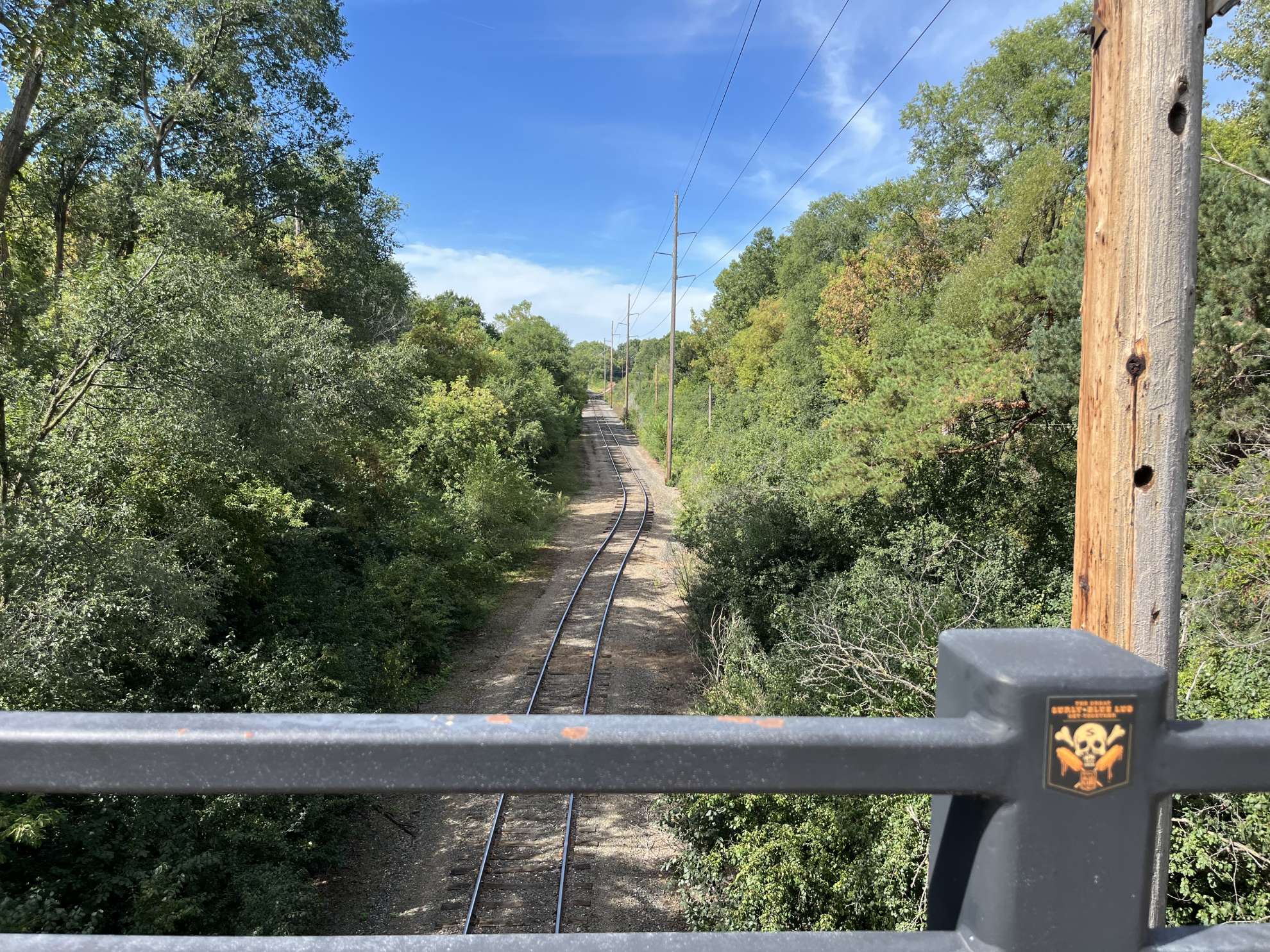
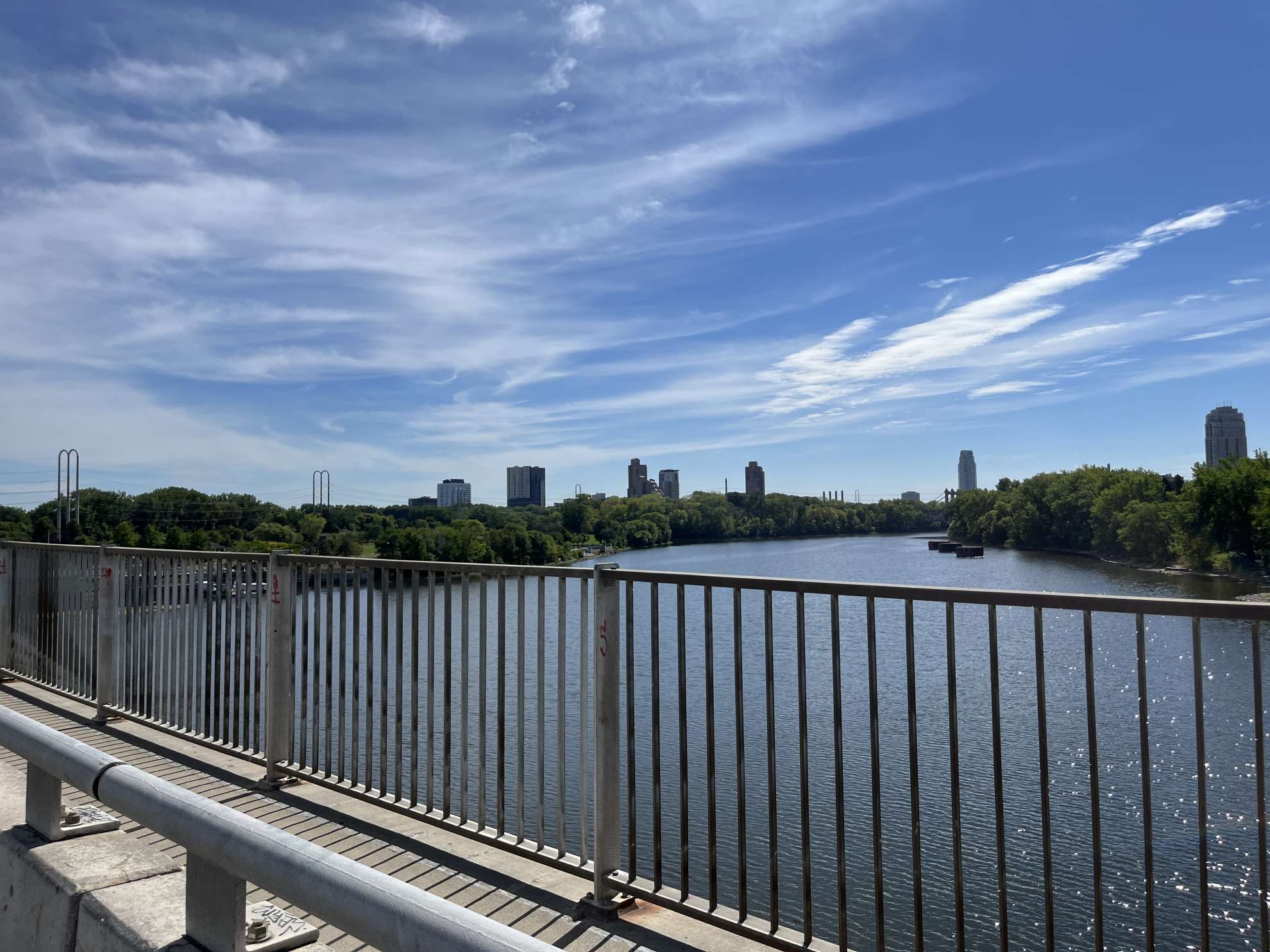
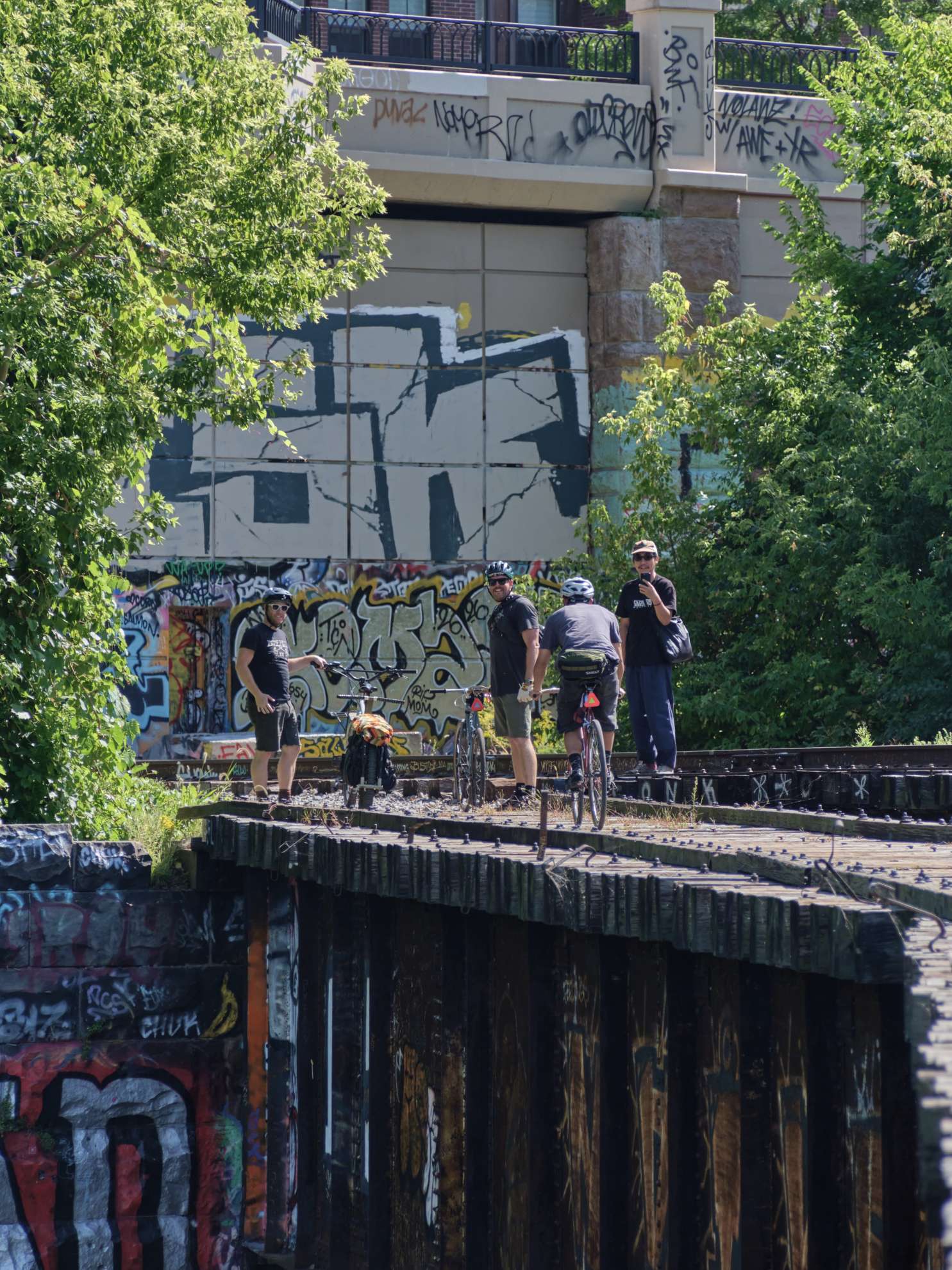
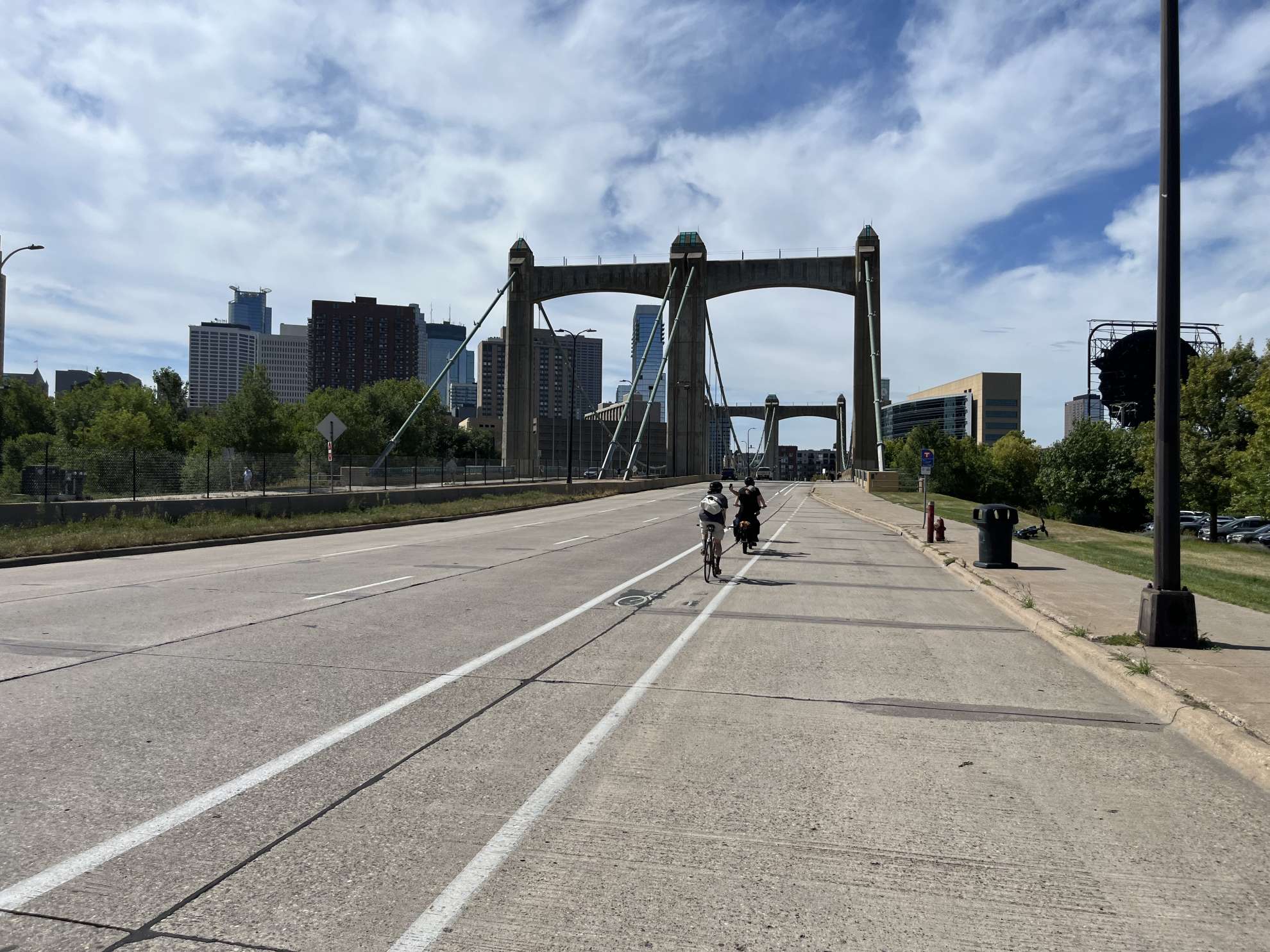
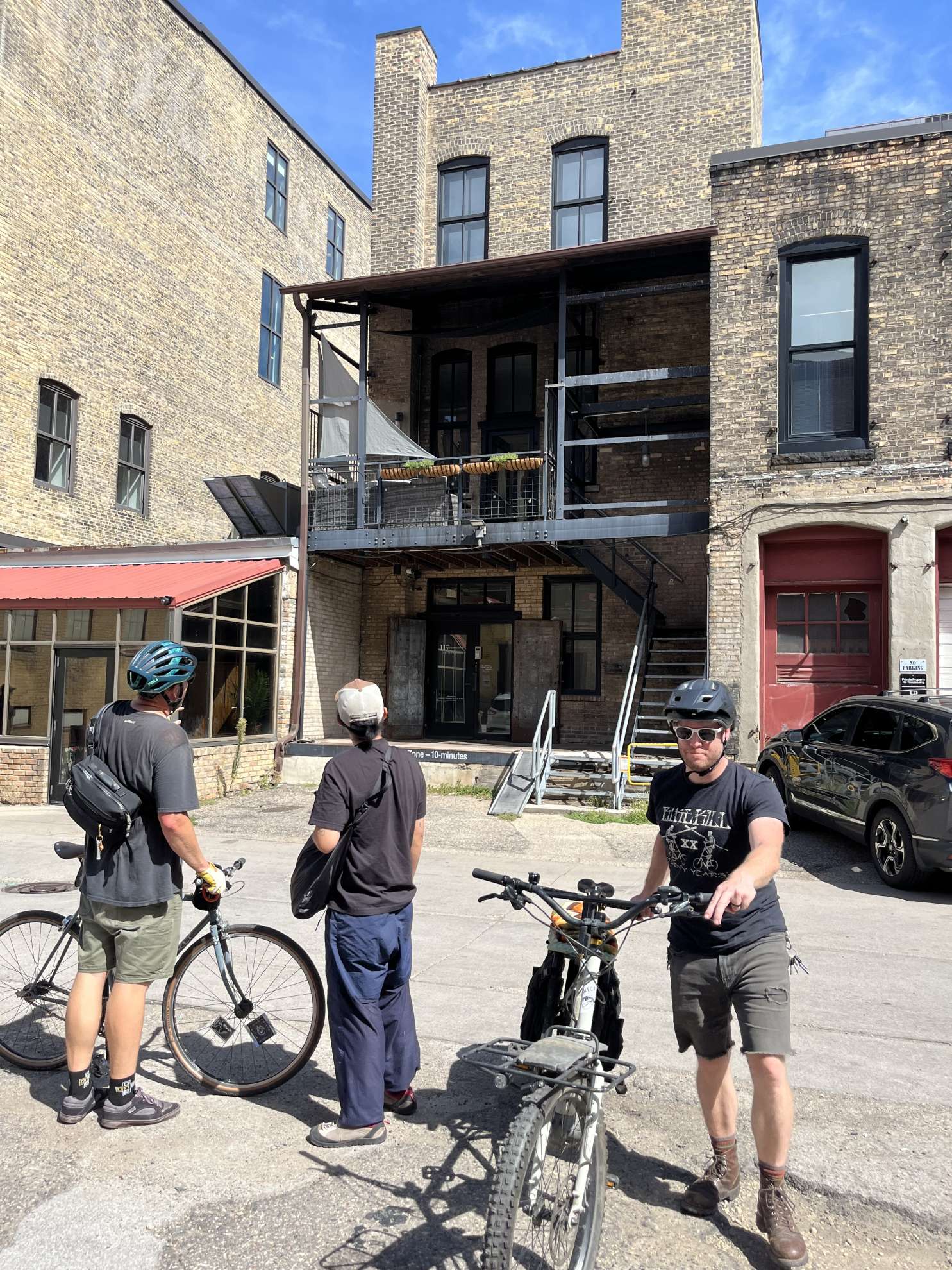
“See this park just outside downtown? Back in the day, all these cool riders used to hang out here.”
“And when you head back into the city, there’s this amazing stretch of singletrack.”
“Under the bridge along the way… Hey, look at that. Recognize it?”
“And the view of the city at night from here? Man, it gets me emotional. This part of town used to be pretty lonely back in the day.”
“There was another spot down by the river where the messengers used to hang out. Pretty sketchy place, right?”
“And once you cross the Hennepin Bridge, you get to this place. This was the heart of the community I loved.”
“I used to come here just to watch all the riders hanging out.”
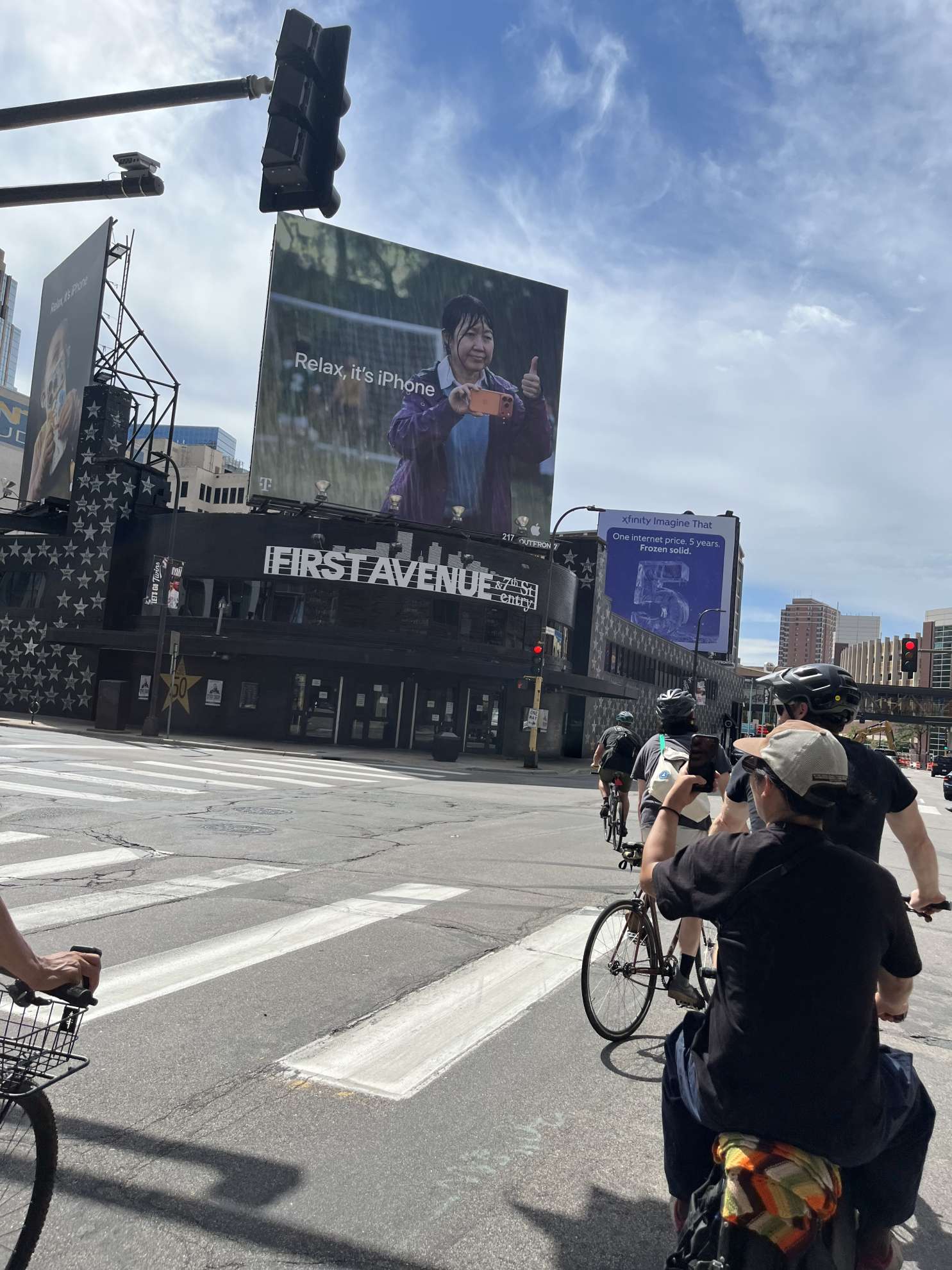
“And next up…”
One story after another came pouring out of Matt as he showed us the places where he’d witnessed Minneapolis cycling culture in his younger days.
The energy that once filled those places is no longer there.
But the scenery that remains unchanged felt incredibly precious and beautiful to me.
Matt’s stories were sometimes funny, sometimes a little sad.
And the way he told them made it so easy to imagine the lives these people lived and the ways they spent their days, almost as if it had all happened yesterday.
It was around this point that Matt said something I’ll never forget.
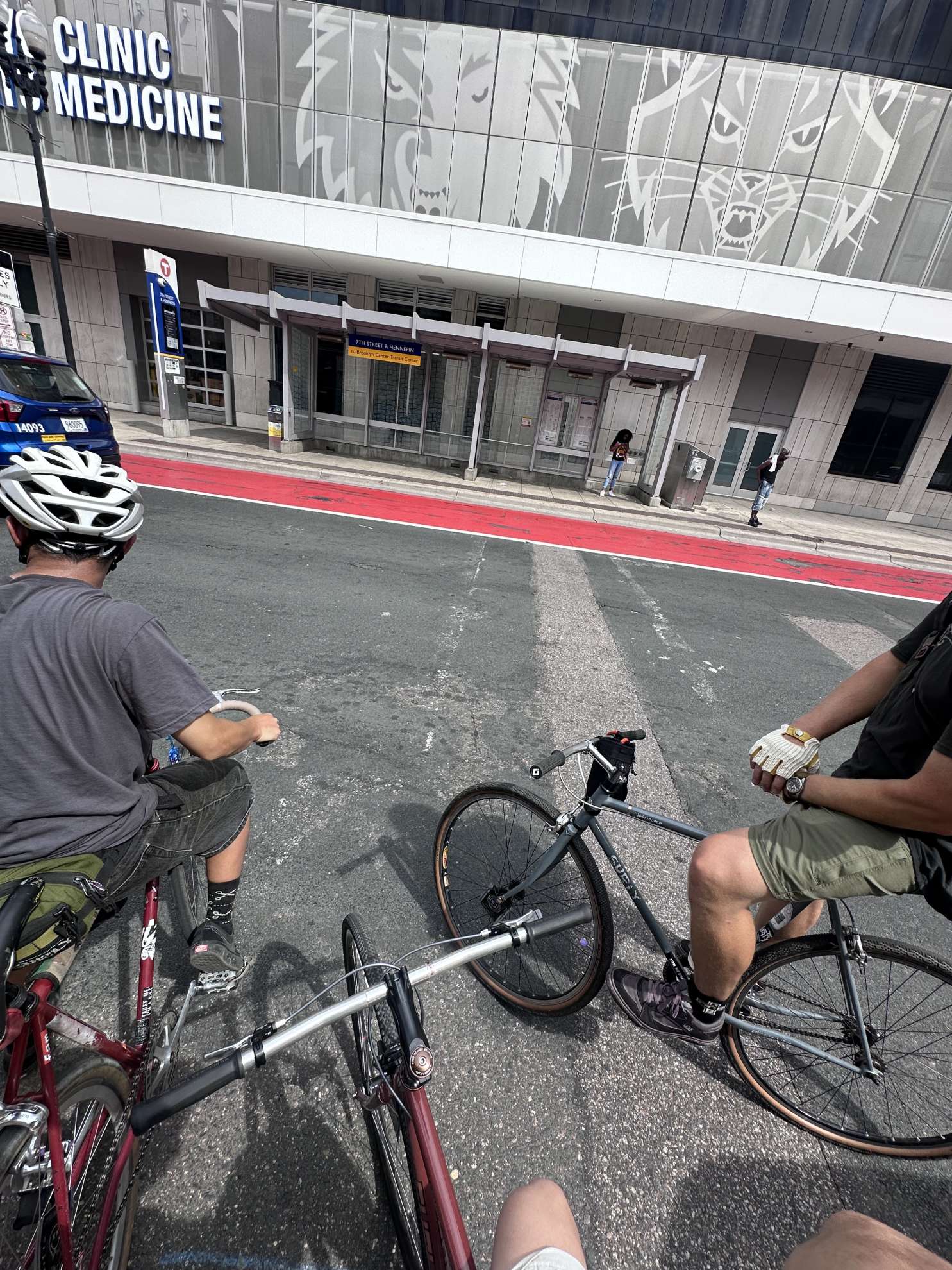
“The Steamy is PUNK. You know what I mean?”
“Track bikes already existed as a category. But there wasn’t a frame that really suited this city.”
“Road bikes already existed, too. But again, there wasn’t a frame that really worked for this city.”
“Fixed gear bikes were something we needed here. They gave us a good way to handle the frozen roads.”
“We needed fat tires, too, because we had to ride trails, railroad tracks, and pavement.”
“Road cycling culture had been around in this city for a long time. But those riders generally stopped riding once the snow season came around.”
“Messenger culture was huge here, too. Those guys spent long hours covering serious distances for work, even through the freezing winters.”
“And then there were cyclists like us. We just wanted to figure out a way to keep riding, even in winter.”
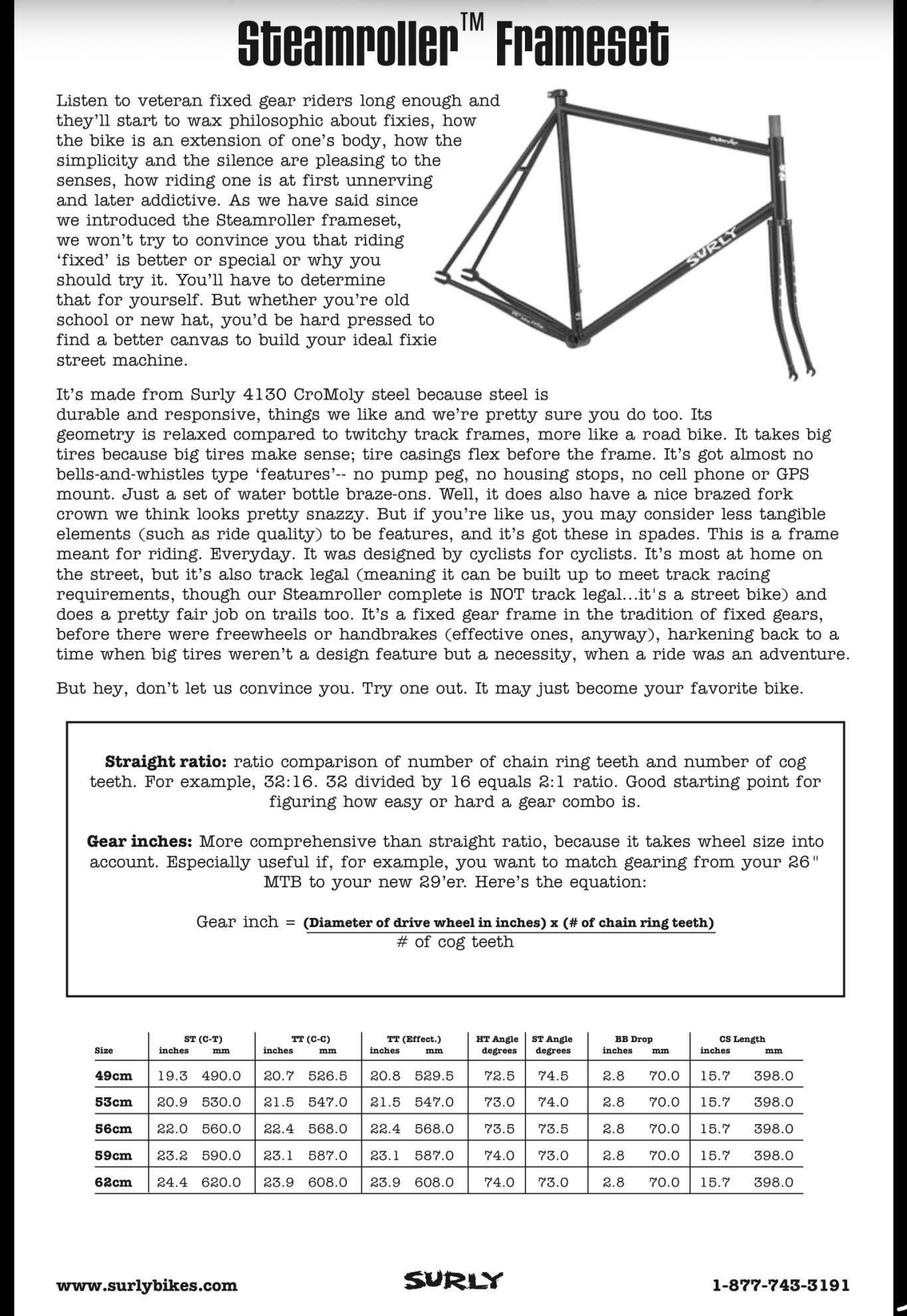
One by one, the dots started connecting.
As all these elements came together, one particular frame came to mind.
Wait, no. Maybe two. Actually, three.
“So we made the 1×1. And we made the Cross-Check.”
“What was left?”
“Right. A road bike.”
“But not a road bike in the traditional sense.”
“That’s what we started thinking about….”
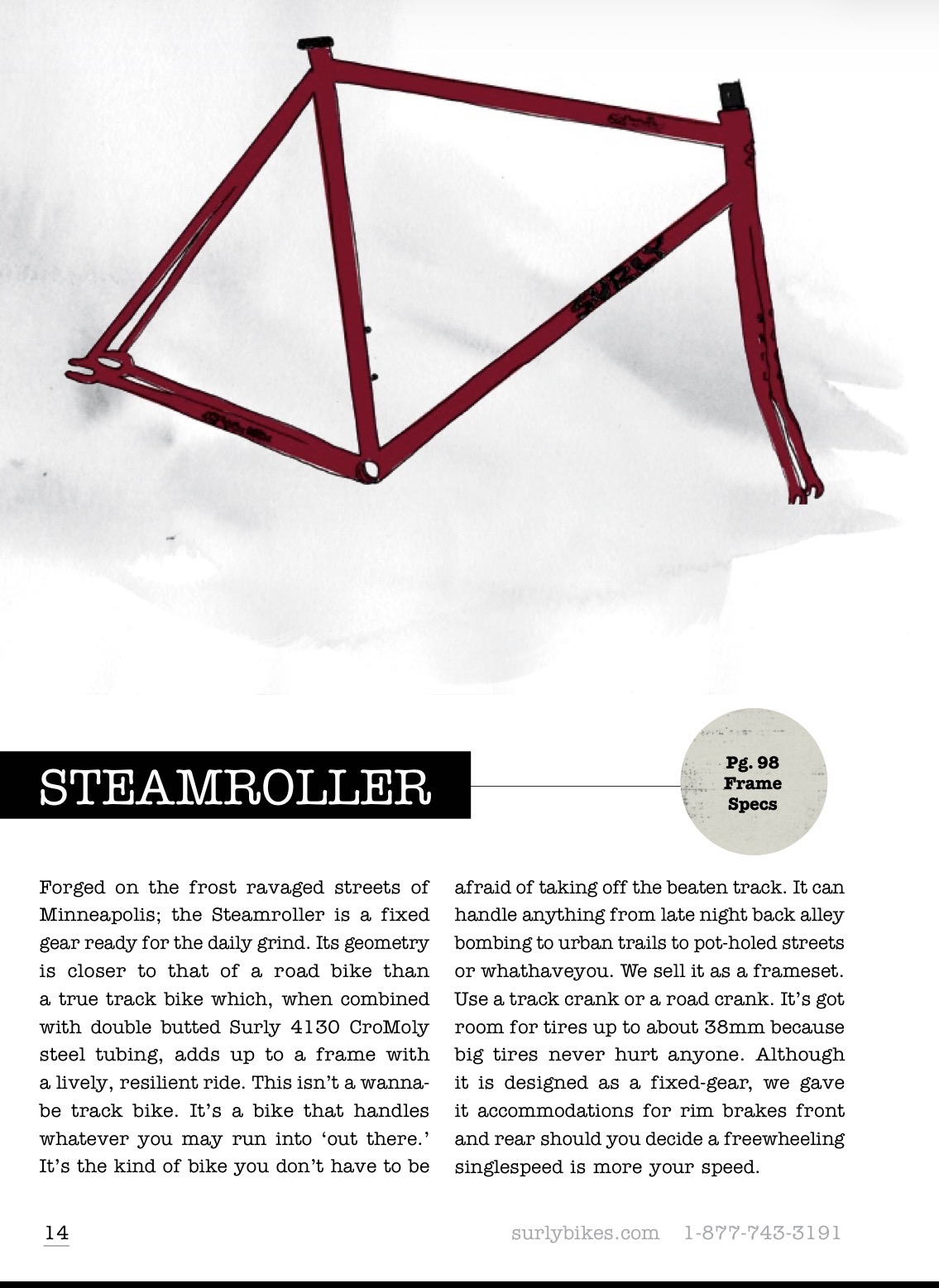
“A road bike that doesn’t look right with a cycling jersey.”
“A fixed gear bike that doesn’t need to play the tactical games of track racing.”
“We built something that had what both road cyclists and messengers in this city actually needed.”
“And what we ended up with was a bike that, in a way, rebelled against both cultures.”
“That was the Steamroller.”
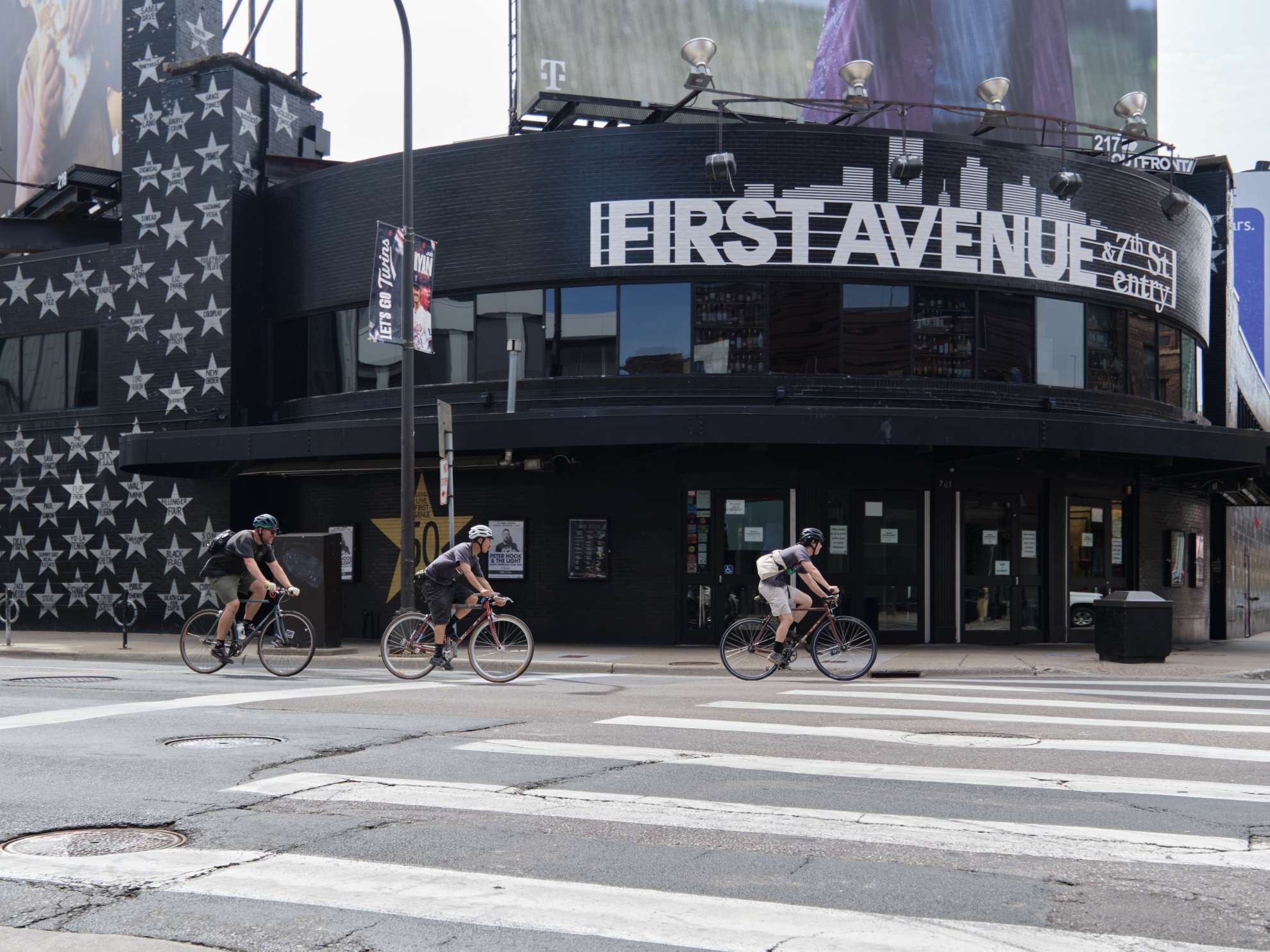
“Pretty PUNK, right?”
“That’s why I wanted to bring you here last.”
I’ll never forget the place the three of us rode to after Matt told us that story.
It was First Avenue, the legendary live music venue.
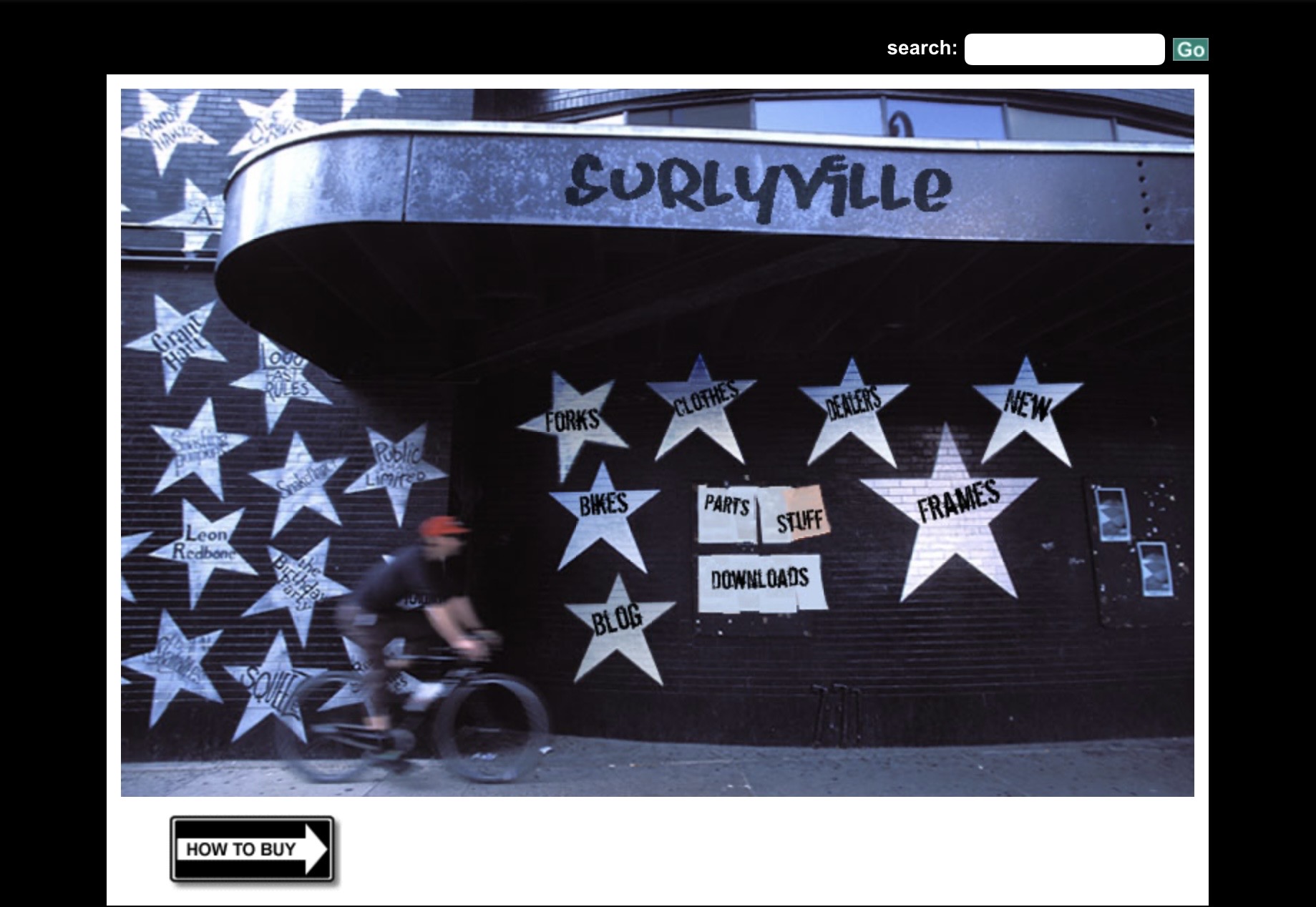
On an early-2000s SURLY website that I’d managed to get my hands on through a connection, there was a design parodying the venue’s famous exterior wall.
The moment I understood that connection, everything suddenly clicked.
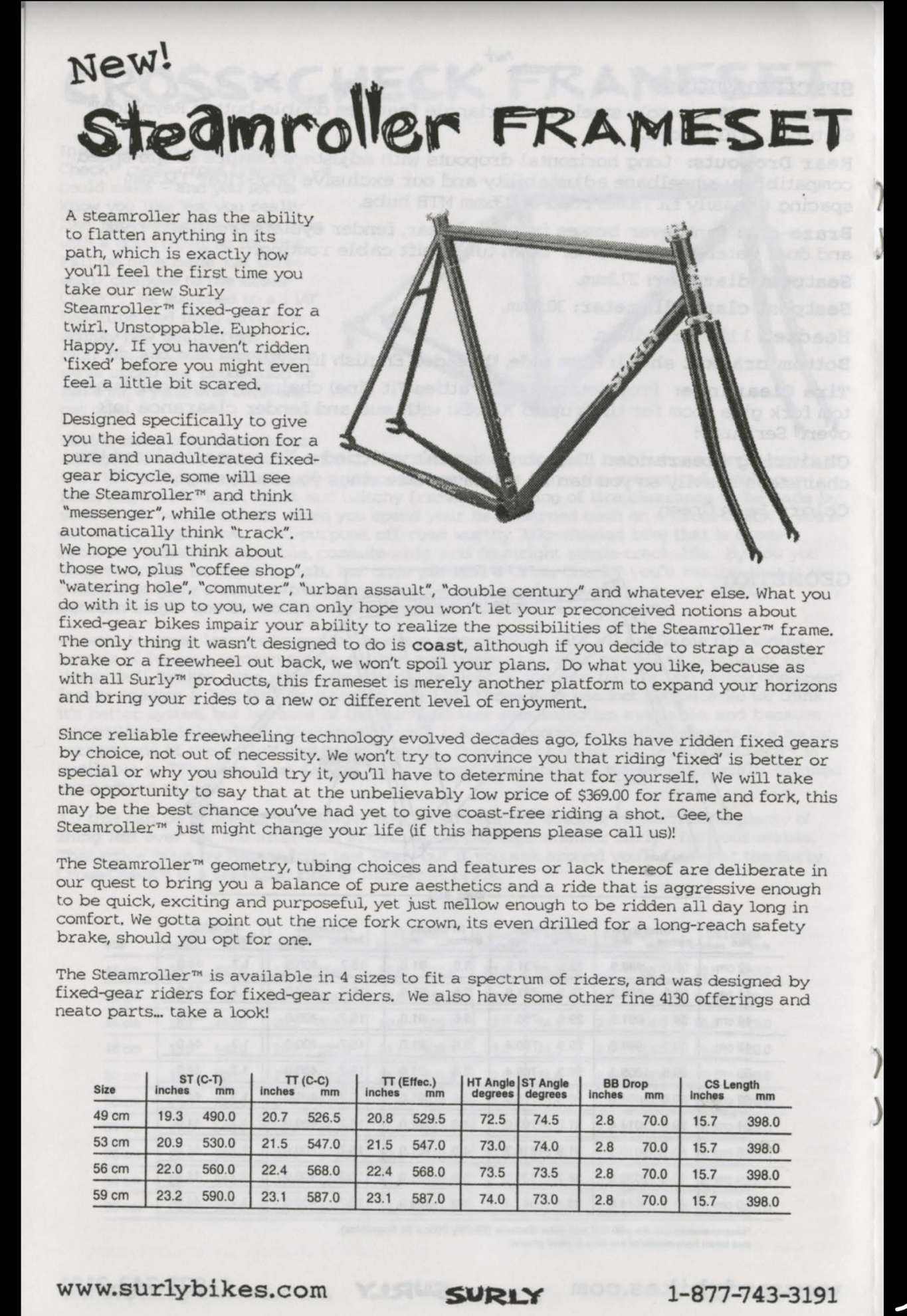
The meaning behind the descriptions I’d read in old SURLY catalogs.
Why the older generation of Japanese bike messengers had ridden these frames into the ground.
Why the Steamroller had always been treated as something a little special during the track bike boom.
Even my own memories of how strangely tough it was, and how it somehow always felt so natural and easy to ride.
All those memories and pieces of information finally came together.
And after that, I just kept riding, holding back tears.
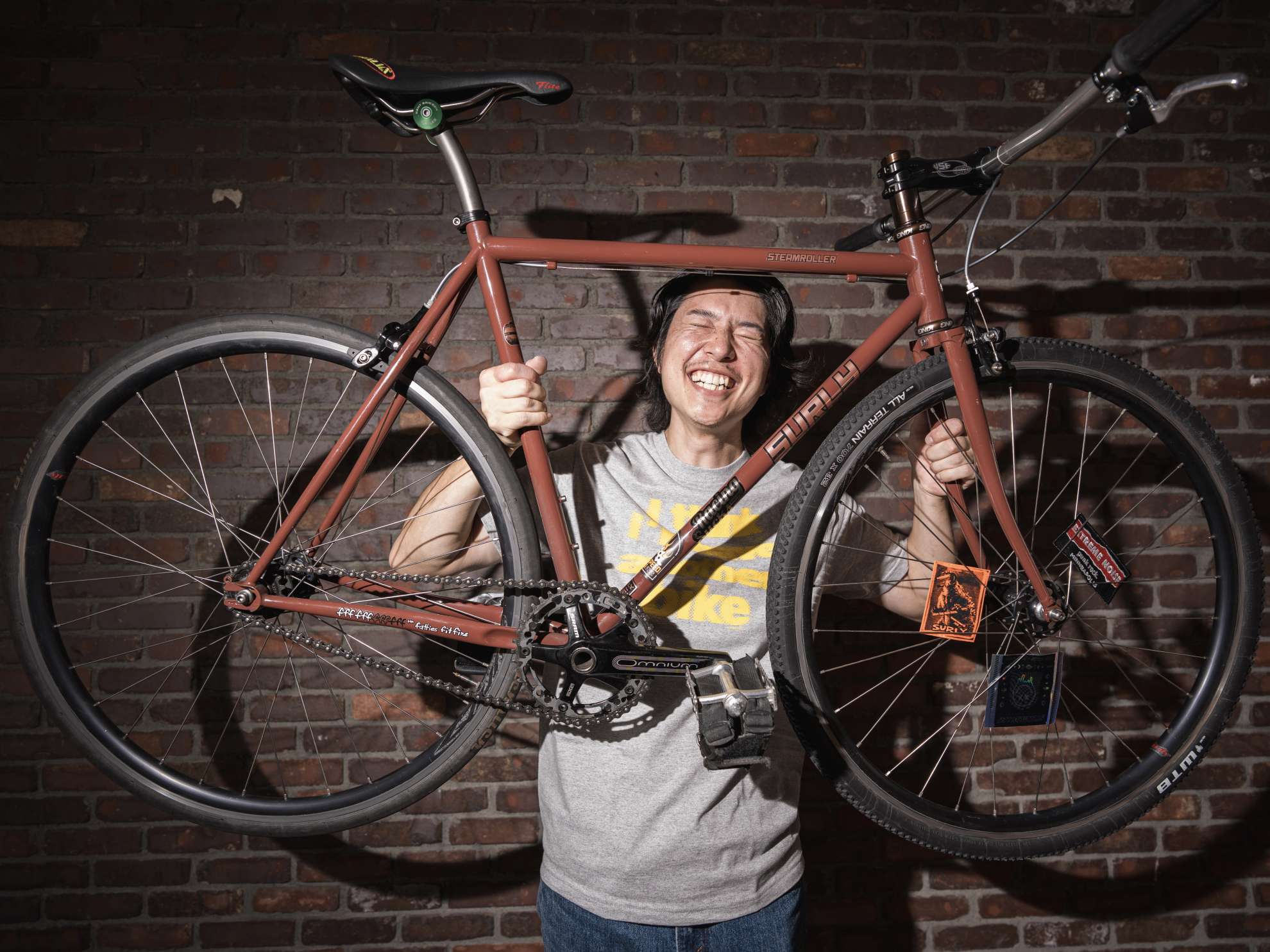
Pedal, and the bike moves forward. Stop your legs, and the bike stops.
It’s cycling in its most primitive form. Surly has always approached bicycles differently from the major bike brands.
And I used to think that, out of sheer stubbornness, they would keep making this bike forever. This machine that, in so many ways, represents the very origins of the bicycle.
But that wasn’t the case.
It’s not like I started disliking them because of it, but still, I’d be lying if I said I wasn’t sad.
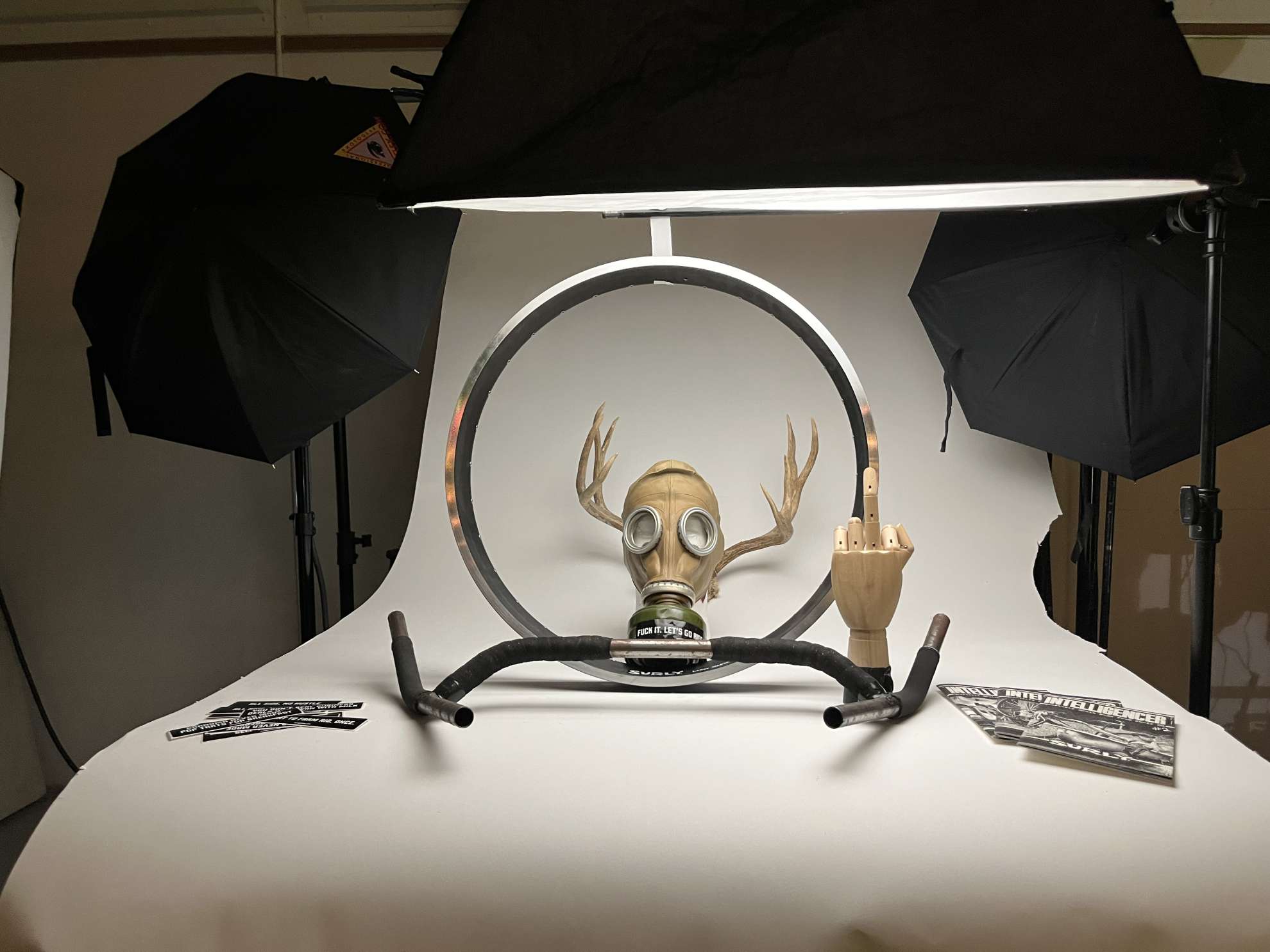
“We’re leaving this one behind so we can move forward.” I feel like someone said something along those lines.
And being in Minneapolis made me realize just how true that probably was.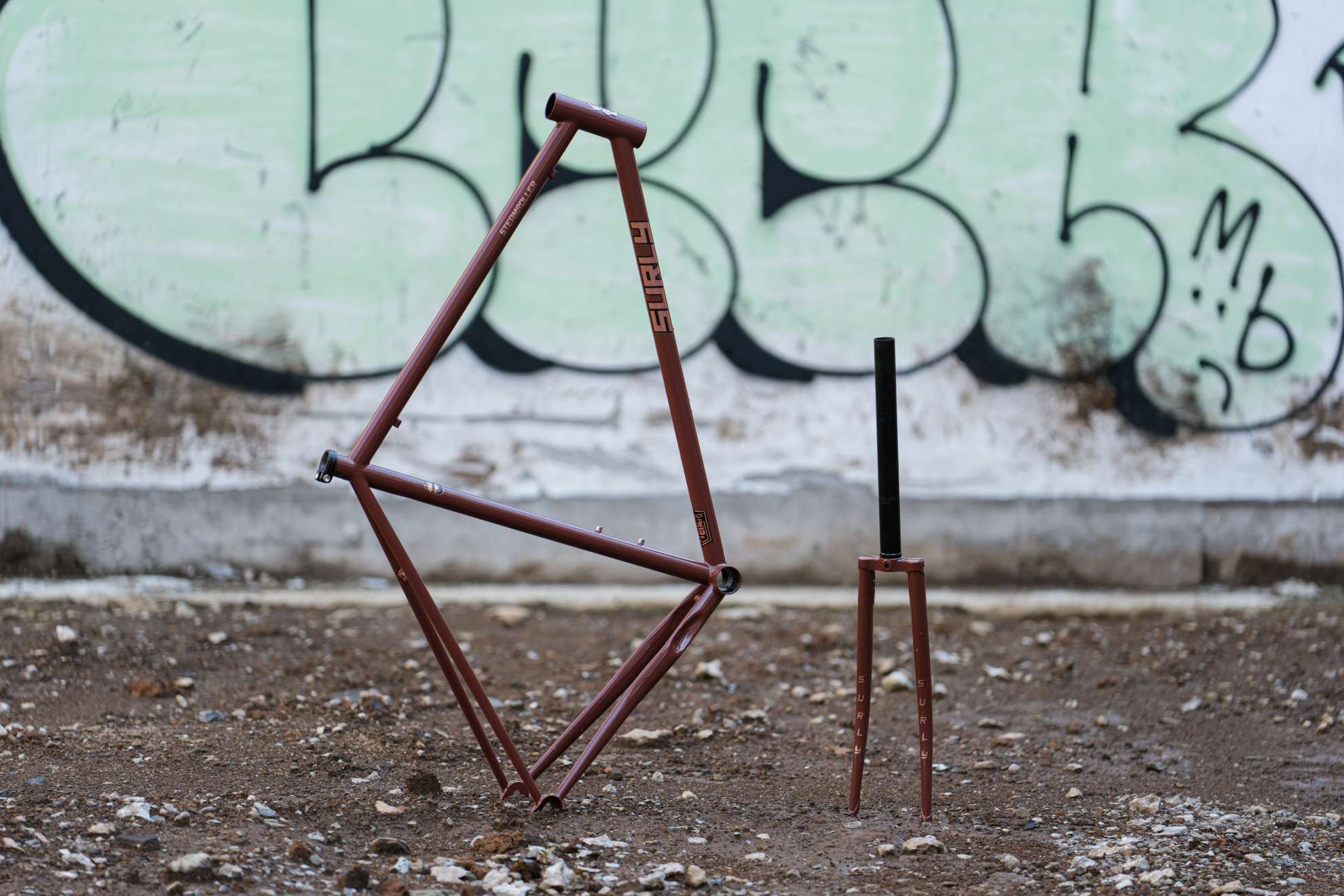
With this season marking the very last production run of the Steamroller, there’s something I want to say to it, at least for now.
Thank you for everything.
You’ve done one hell of a job.
I want people to ride it. I want people to know it. I want people to love it.
And that’s why I want to keep being involved with Surly.
Until next time.